How to Build a Complete Metal Roof Material List
Planning a metal roof in Florida starts with one key step. You need a solid metal roof material list to avoid shortages or waste. Without it, projects drag on, costs climb, and mistakes lead to leaks during the next storm.
Homeowners and contractors face unique challenges here. High winds, heavy rain, and humidity demand precise quantities. Panel profiles like 5V or standing seam change everything. Local codes add rules on fasteners and underlayment. This guide walks you through building your list from scratch. You'll use simple formulas and tips tailored to Florida roofs.
Measure Your Roof for Exact Square Footage
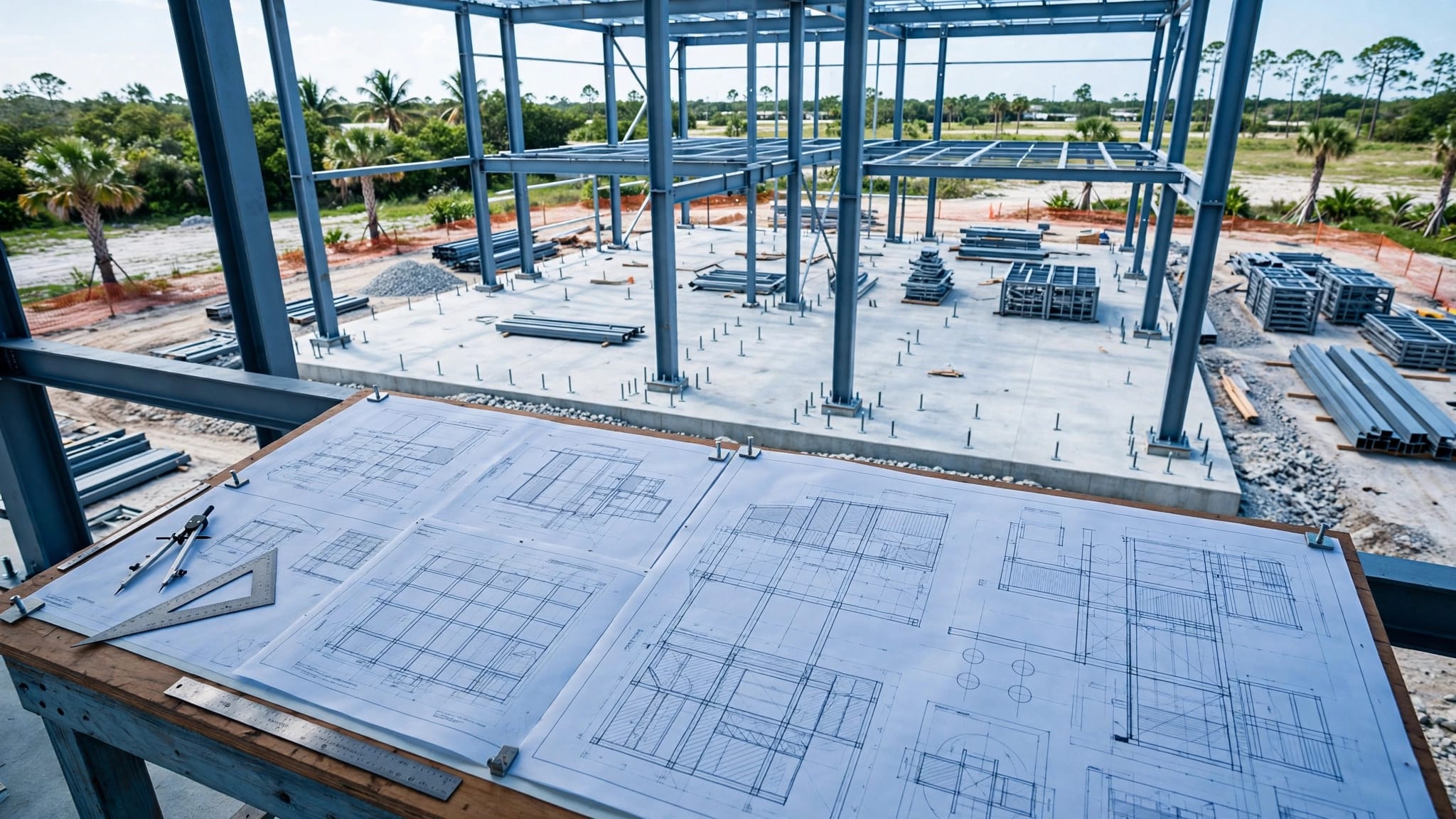
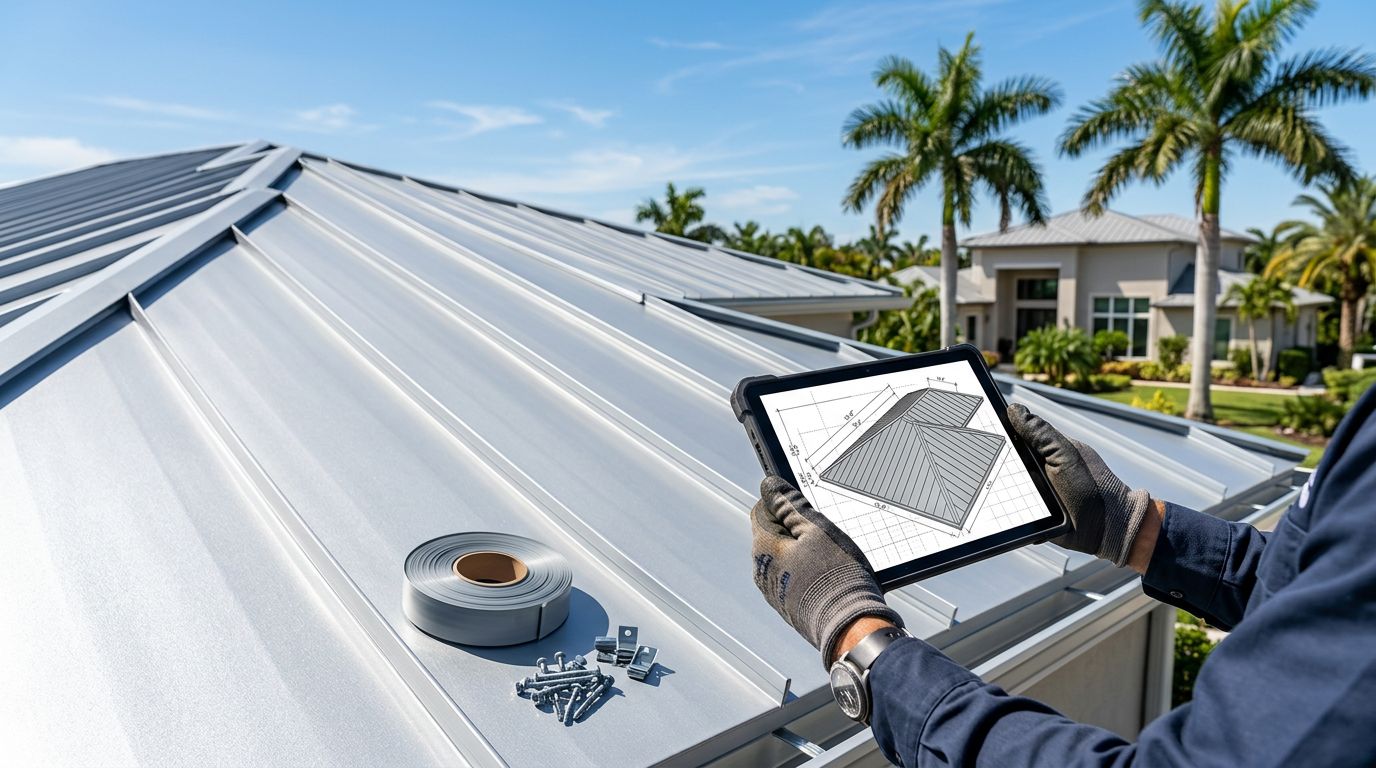
Accurate measurements form the base of your list. Start by sketching the roof. Note pitches, hips, valleys, and penetrations. Use a drone or ladder for slopes over 6:12.
Break the roof into sections. Measure length and width for each plane. Multiply to get square footage. Add 10% to 15% for waste, cuts, and overlaps. For example, a 2,000 sq ft roof becomes 2,200 to 2,300 sq ft after adjustment.
Florida codes require this precision, especially in high-wind zones. Check your roof design against manufacturer specs. Complex shapes like dormers increase waste to 20%. Tools like roofing software help, but a tape measure works fine for most jobs.
Calculate Panels with Profile-Specific Formulas
Panels cover the main area. Your quantity depends on the profile. Standing seam needs fewer overlaps than exposed-fastener types like AG panel.
Measure coverage width per panel. Divide total adjusted square footage by that width, then by panel length. Round up. Formula: Panels = (Total Sq Ft x 1.1 for waste) / (Coverage Width x 12).
A 30-inch wide panel on a 2,200 sq ft roof needs about 89 panels at 3-foot lengths. Order in standard lengths up to 21 feet to minimize seams. Match gauge to wind loads, like 26-gauge for most residential work.
Florida humidity favors Galvalume or aluminum-coated steel. Always verify Florida Product Approval numbers. This step keeps your list aligned with code.
Select Trim for Valleys, Hips, Ridges, and Edges
Trim seals vulnerable spots. It directs water and blocks wind. List pieces by linear feet, not squares.
For valleys, measure centerline length. Add 12 inches per side for width. Use open valleys with custom metal roof trim in heavy-rain areas. Hips and ridges match roof pitch. Measure hip length, then add 6 inches for overlap.
Eave drip edge runs full perimeter. Choose profiles with hemmed edges for stiffness. Rake trim protects gable ends; see rake trim for metal roofs for Florida wind tips. Add 10% extra for cuts.
Penetrations need step flashing. Count vents, chimneys, and skylights. Order matching metal. Custom lengths up to 21 feet simplify installs.
Choose Fasteners, Closures, and Sealants
Fasteners hold it all. Exposed panels use #10 or #12 wood screws with neoprene washers. Space them 12-18 inches on purlins per code.
Calculate screws: 80-100 per square for fields, more at edges. Closures fit panel ribs. Inside closures for valleys, outside for ridges. Count ribs along edges; add one per foot.
Sealants prevent leaks. Butyl tape works best for seams; tube sealant for penetrations. Check sealants for metal roof seams. One tube per 50 linear feet of trim.
Florida salt air demands stainless steel or coated fasteners. Match to panel profile and uplift ratings.
Add Underlayment and Ventilation Essentials
Underlayment sits under panels. It blocks condensation and wind-driven rain. Synthetic types suit Florida heat; self-adhered for eaves and valleys.
Quantity matches roof square footage. Overlap 6 inches, double at edges. High-temp options handle 200°F decks. Learn more in this Florida metal roof underlayment guide.
Ventilation prevents moisture buildup. Ridge vents pair with soffit intakes. Calculate 1 sq ft per 150 sq ft of attic. Pipe boots seal vents; one per penetration, sized to pipe diameter.
Account for Extras Like Pipe Boots and Closures
Don't skip small items. Essential metal roofing accessories like eave drip edge selection complete the system.
Pipe boots: Rubber or metal, UV-rated. Closures: Foam or metal strips. Sealant: Butyl or silicone. Add touch-up paint and ridge foam for standing seam.
Factor climate and code. Hurricane clips boost uplift resistance. Total extras at 5-10% of panel cost.
Your Pre-Order Metal Roof Material Checklist
Use this checklist before buying. Adjust for your roof.
| Category | Key Items | Quantity Tip |
|---|---|---|
| Panels | Profile, gauge, color | Adjusted sq ft / coverage |
| Trim | Eave, rake, valley, ridge | Linear ft + 10% waste |
| Fasteners | Screws, washers | 80-100/square |
| Underlayment | Synthetic or self-adhered | Full sq ft |
| Closures/Sealants | Foam strips, butyl tape | Per rib/foot |
| Extras | Pipe boots, vents | Count penetrations |
Double-check against manufacturer specs and local codes. Get a metal roofing materials checklist for Central Florida.
A complete list saves time and money. It ensures your Florida metal roof stands up to storms. Measure twice, order once, and enjoy decades of protection.
Share Our Metal Roofing News Articles
Related Posts