Guide to Metal Roof Waste Factors for Florida Roof Shapes
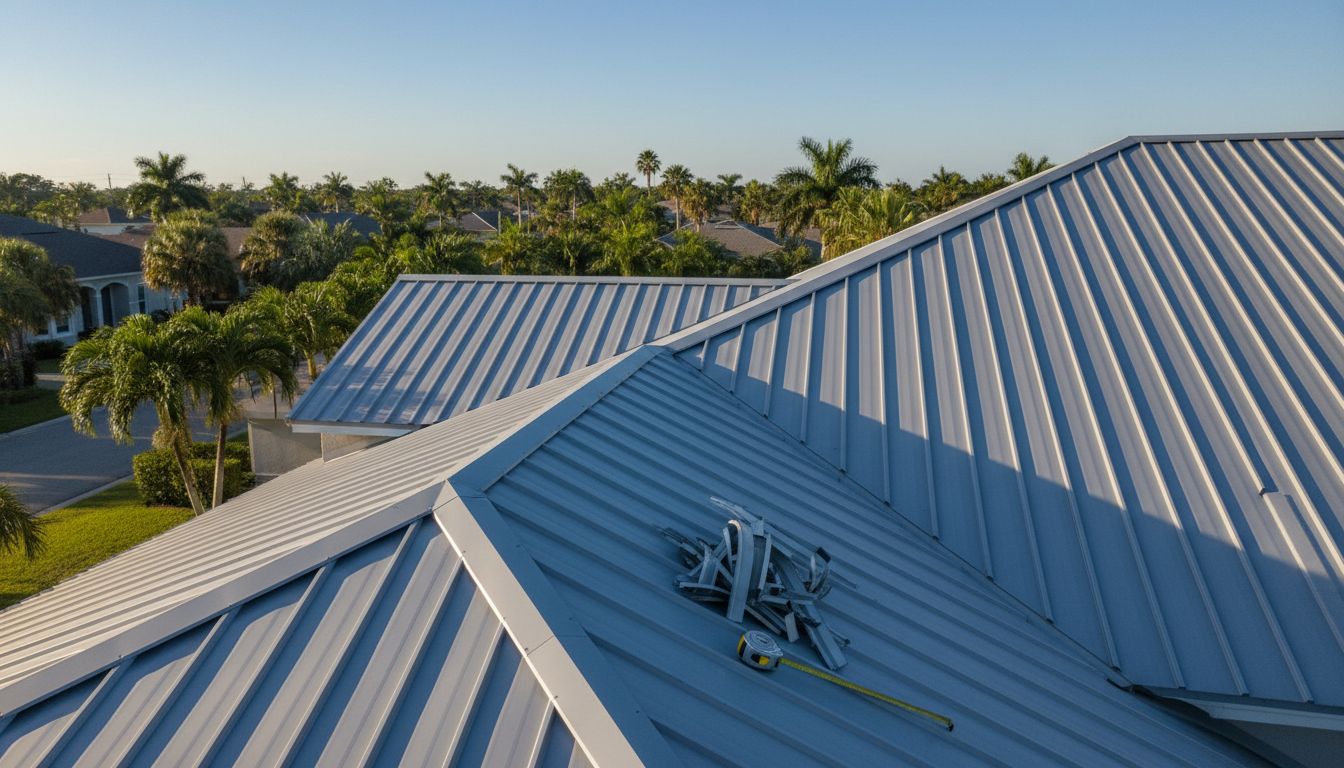
Ever measured a roof square by square, only to run short on panels mid-job? That extra material you order saves the day, but overdoing it eats your budget. In Florida, where hurricanes demand tight installs and complex shapes add cuts, metal roof waste factor keeps estimators on track.
You face gables, hips, and valleys that chew up panels differently. Simple roofs need less buffer than chopped-up designs. This guide breaks down realistic percentages, panel type impacts, and step-by-step math so your takeoff hits the mark.
Let's start with the basics of waste factor and why it matters for your next Florida project.
What Metal Roof Waste Factor Means for Your Project
Waste factor accounts for cuts, overlaps, and scraps you can't reuse. Panels trimmed for hips or valleys often end up too short for other spots. Add in errors or damaged pieces, and you see why estimators build it in.
For metal roofs, this runs 5% to 15% total. Simple layouts stay low because straight runs dominate. Complex ones climb higher from angles and penetrations. Florida's wind codes push precise fits, so skimping risks callbacks.
Think of it like fabric sewing. You buy extra yardage for seams and hems. Metal panels work the same. Coverage width matters too. A 36-inch panel with 2-inch laps gives 34 inches net. Multiply roof area by waste, then divide by net coverage for panels needed.
Homeowners order through suppliers like us for custom lengths up to 21 feet. That cuts waste on long runs. Contractors note every ridge and eave upfront. Accurate measurements prevent that frantic last-minute call.
Waste Percentages by Florida Roof Shapes
Florida homes mix gables, hips, and flats. Each shape shifts your waste needs.
Gable roofs keep it simple. Two sloped planes mean few cuts. Expect 5% to 8% waste here. Straight panels along the rake use most scraps elsewhere. A 2,000-square-foot gable might need 2,100 square feet total.
Hip roofs add four sloped sides. Valleys and shorter hips create angled cuts. Waste jumps to 8% to 12% . Hip rafters demand precise mitering, and end pieces rarely reuse well.
Flat or low-slope sections complicate things. Standing seam shines here with long panels, but penetrations for HVAC boost waste to 12% to 15% . Hurricanes mean sealed edges everywhere, adding trim scraps.
Complex roofs blend shapes with dormers or additions. Multiple valleys and hips push waste over 15%. Measure each plane separately. Sum areas, then apply tiered factors: 7% for gables, 10% for hips, 15% for flats.
| Roof Shape | Typical Waste Factor | Why It Varies |
|---|---|---|
| Simple Gable | 5-8% | Few cuts, long runs |
| Hip | 8-12% | Valley and hip trims |
| Flat/Low-Slope | 12-15% | Penetrations, seams |
| Complex/Multi-Plane | 15%+ | Irregular angles |
This table shows baselines. Adjust for your layout. Always walk the roof or review plans.
Standing Seam vs. Exposed Fastener Waste Impacts
Panel type changes waste big time. Standing seam panels use clips and locks. No screw holes mean cleaner cuts. Waste stays lower at 5-10% because panels run continuous lengths.
Exposed fastener systems like PBR or 5V need screws every 12-18 inches. Overlaps add up, and rib heights demand matched trim. Cuts around ribs waste more, hitting 10-15%. See rake trim choices for exposed panels to minimize edge scraps.
Standing seam fits low slopes better per Central Florida slope charts. Fewer hips work well, dropping waste. Exposed types suit steeper pitches but chew material on curves.
Florida approvals test both for wind. Standing seam often edges out in uplift, but exposed saves upfront if waste stays controlled.
Step-by-Step Calculation for Order Quantities
Ready to crunch numbers? Start with gross roof area from plans or drone shots. Include slope: length times width times pitch multiplier (like 1.054 for 4:12).
Example: 40x30-foot gable at 5:12 pitch. Area = 1,200 x 1.083 = 1,300 squares. Use 7% waste for gable: 1,300 x 1.07 = 1,391 squares.
Pick your panel. PBR exposed fastener: 36-inch width, 1.5-inch lap, net 34.5 inches or 2.875 feet coverage. Panels needed: (1,391 x 100) / 2.875 / length per panel. For 20-foot runs: divide square feet by (coverage x run) = about 24 panels.
Standing seam at 16-inch coverage (1.33 feet): fewer panels, less overlap waste. Total squares x 1.07 / 1.33 / run length.
Add 10% more for trim. Florida product approvals list exact coverage. Tools like spreadsheets speed this. Test on paper first.
For hips, add linear footage times width for valleys. Closures match profiles; pick foam strips right to avoid extras.
Florida Codes and Hurricane-Ready Estimates
The 8th Edition Florida Building Code rules now. Metal roofs need two-layer underlayment and approved fasteners. High-velocity zones demand tighter schedules.
Waste ties to code. More flashing for wind means extra cuts. Wind uplift ratings guide panel picks. Permits check attachments; use this checklist.
Hurricanes add valleys for drainage. Bump waste 2-3% in coastal spots. Custom trim up to 21 feet helps.
Key Takeaways
Waste factors range 5-15% based on shape and panels. Gables stay low; complexes climb. Standing seam trims waste over exposed fasteners.
Calculate area, apply percentage, divide by coverage. Florida codes demand precision, so build in buffers smartly.
Your next takeoff will order just right. Roof strong, budget intact.
Share Our Metal Roofing News Articles
Related Posts