Why Metal Roof Screws Back Out and How to Fix Them
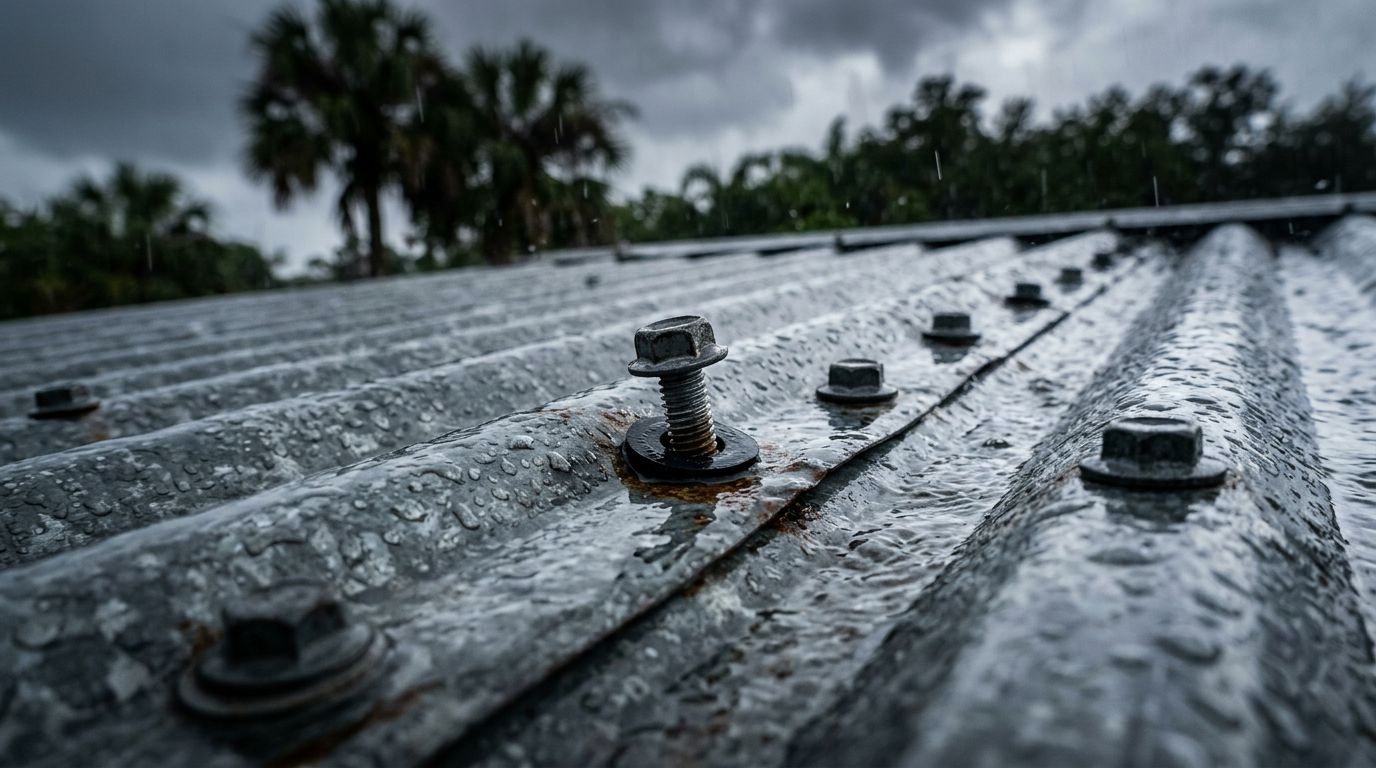
Picture this: rain pounds your roof during a Florida storm. Water drips inside from a tiny gap around a screw. Metal roof screws backing out cause most leaks like that.
Homeowners and property managers spot them first as loose panels or stains on ceilings. These fasteners hold panels tight to the deck or purlins. When they loosen, wind lifts edges and moisture sneaks in.
You can fix many cases yourself with basic tools. Others need a pro look. Let's break down why it happens and steps to make it right.
Reasons Metal Roof Screws Loosen
Heat cycles in Florida expand and contract metal panels daily. Screws respond too. They back out from that constant push-pull.
Over-driving during install crushes washers. EPDM seals lose grip. Thermal movement then spins screws loose. Poor substrate grip worsens it. Plywood softens over time from humidity. Screws pull free easier.
Vibration from wind or hail shakes them too. Older roofs with mismatched fasteners suffer most. Galvanized screws corrode in salty air. They lose holding power fast.
Wrong head type fits some spots bad. Pancake heads seal flat panels best. Hex heads work on ribs but need torque control. Check our Central Florida metal roof screw guide on pancake vs hex head types for details.
In short, install flaws and weather team up against screws.
Signs Your Roof Screws Need Attention
Walk your roof after storms. Look for popped heads above panels. They stick up like tiny tents.
Press panels with your foot. Movement means loose fasteners below. Inside, yellow stains on insulation signal early leaks. Don't ignore them. Water spreads fast.
Rattles during gusts point to play in screws. Check ridges and valleys first. Trim screws fail there from runoff.
A few loose spots? Spot fix works. But if dozens back out across panels, call an inspector. Substrate rot or panel fatigue might hide underneath.
Early checks save big repairs.
How to Tighten or Replace Backed-Out Screws
Grab a drill, matching screws, and ladder. Work on dry days. Safety first: harness up on steep pitches.
Inspect each screw. If the washer looks cracked or flat, replace it. Snug ones might just need a quarter-turn.
Here's the process:
- Clear debris around the screw. Wipe the panel clean.
- Use a bit that fits the head snug. Low speed avoids stripping.
- Turn clockwise until the washer compresses even. No dimples in metal. Stop when resistance builds firm.
- For bad ones, back out fully. Drill any spin-out remnants. Install new screw same spot.
Match replacements to your panels. #10 or #12 wood screws suit most Florida decks. Painted heads blend. Bonded neoprene washers seal best against leaks.
Our guide to choosing the right fasteners for metal roofs covers sizes and coatings.
Test by hand after. Panels stay flat.
Common Mistakes That Loosen Screws Again
Homeowners over-tighten replacements. That strips threads or cracks panels. Leaks follow quick.
Skipping washer checks dooms jobs. Old EPDM hardens. It won't seal no matter the torque.
Don't mix screw types. Self-tappers grab wood poor on metal purlins. Always match substrate.
Rushing in heat warps judgments. Panels expand. Screws bind funny. Wait for cooler hours.
Ignore spacing. Florida code sets patterns for wind. Too few screws invite failure. See our tips on proper torque for metal roof fasteners before drilling.
These slips turn fixes into re-fixes.
Preventive Steps for Secure Fasteners
Annual walks catch issues early. Tighten as needed. Budget 50 screws per 1,000 square feet yearly.
Choose coated screws for Florida humidity. They resist pull-out better. Recoat panels too if faded.
Install right from start. Space screws 12-18 inches on purlins. Follow panel maker specs.
Upgrade substrates if soft. Solid decking holds longer than spaced purlins alone.
For new roofs, factor extras. Our metal roof fastener quantity guide helps count accurate.
Routine care keeps roofs tight for decades.
Key Takeaways for Lasting Roof Security
Loose metal roof screws stem from heat, poor install, and weather wear. Spot them early through visual checks and panel tests.
Fix with matched replacements and proper torque. Avoid over-tightening or mismatched parts. Prevention beats repair every time.
Strong fasteners mean no leaks in storms. Your roof stays solid. Check yours today.
Share Our Metal Roofing News Articles
Related Posts