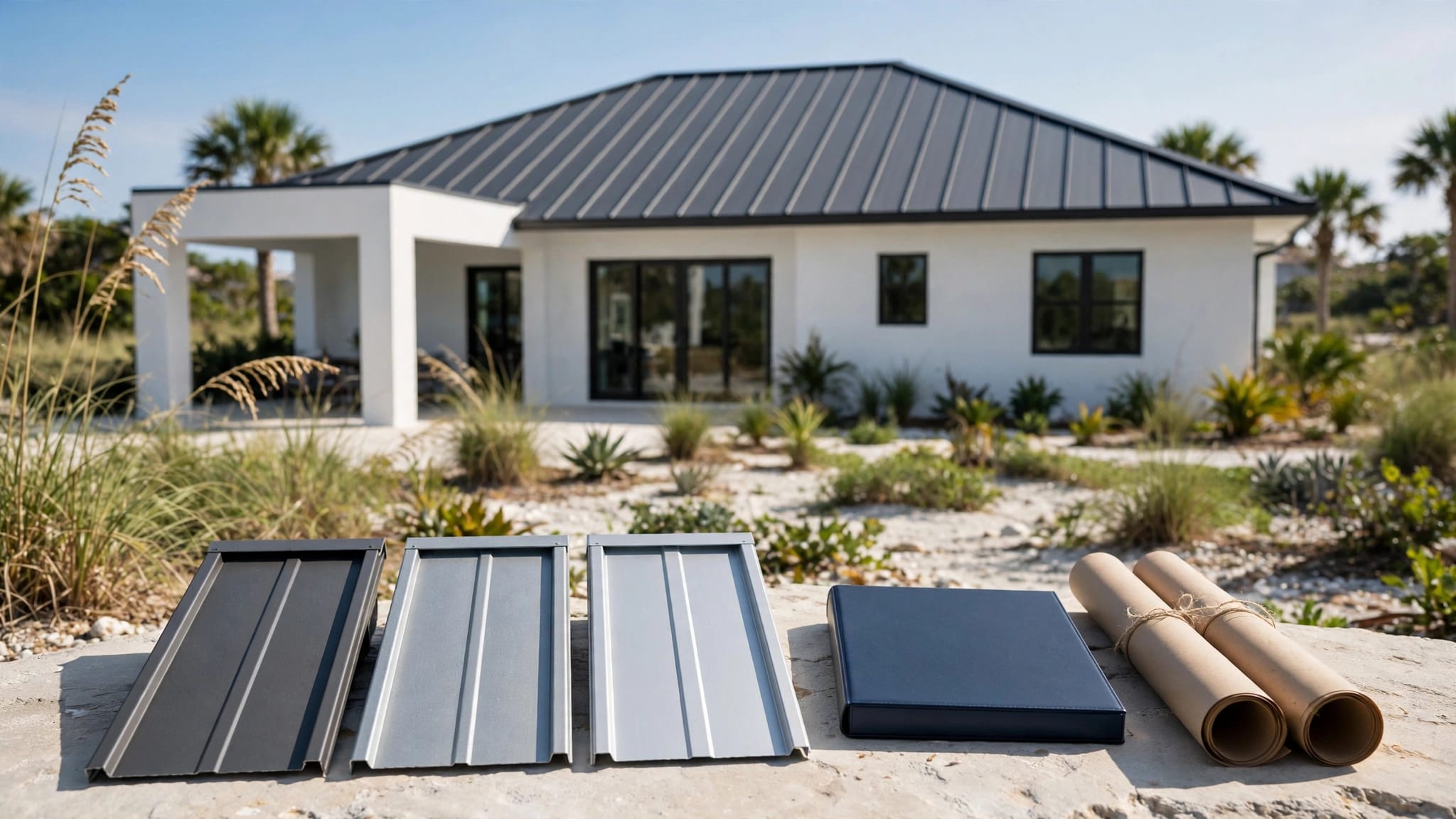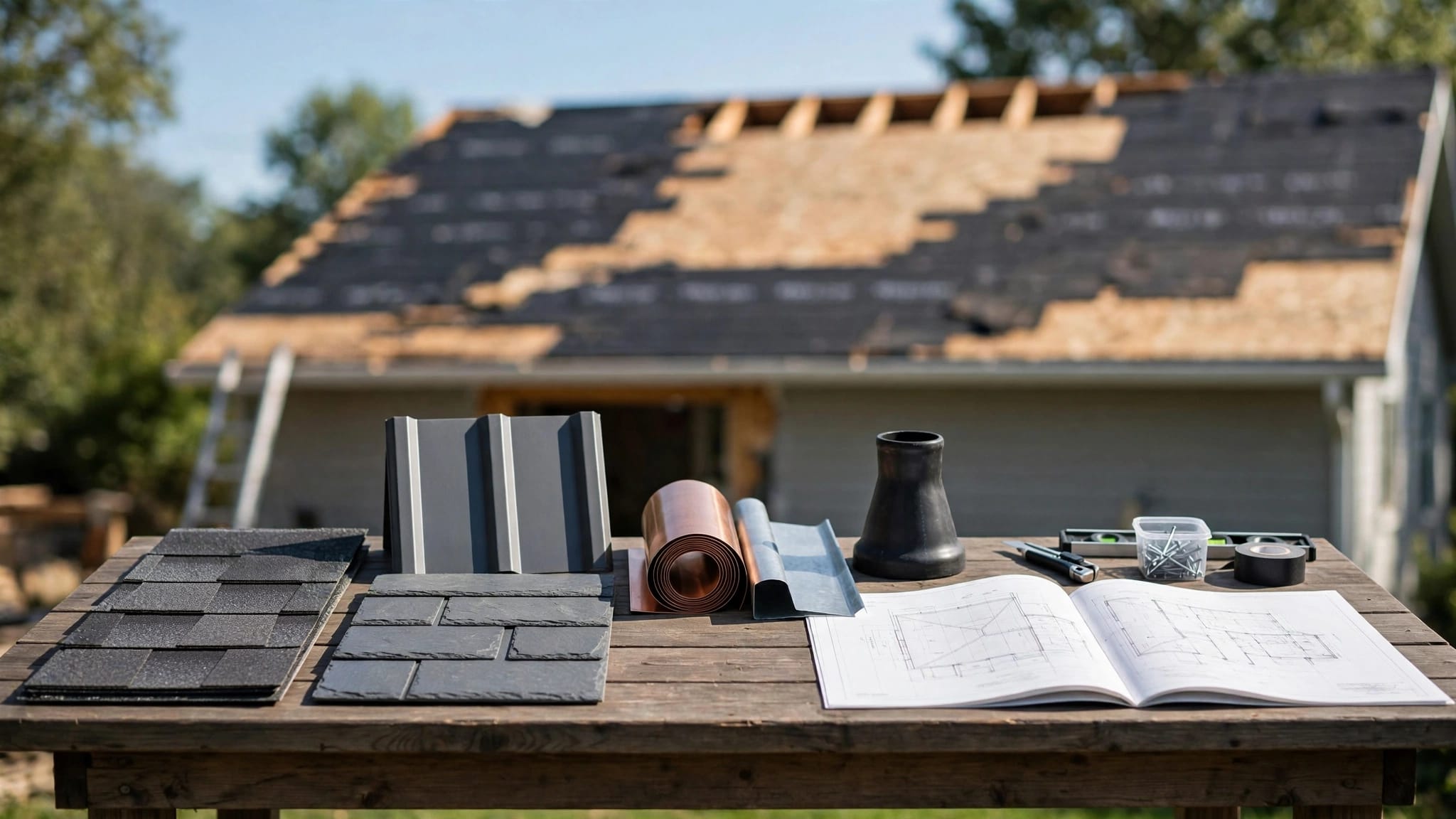
How Tight to Drive Metal Roof Screws in Florida
Ever watched a Florida storm rip shingles off neighbors' roofs while your metal one stays put? That strength starts with the screws. Get them too loose or too tight, and leaks or wind failure follow fast. Homeowners and managers face high winds, pounding rain, and salty air that test every fastener.
You need screws snug enough to seal and hold, but not so hard they damage panels. This guide shows exactly how tight metal roof screws should be. It covers signs of good installs, Florida risks, and code checks.
Florida's Weather Demands Perfect Screw Tension
Florida roofs endure 150 mph gusts in hurricanes. Heavy rain drives sideways. Humidity swells wood substrates. Coastal salt corrodes weak spots.
Loose screws let wind lift panels. Water sneaks under washers. Over time, those gaps grow. Tight but damaged screws crush seals or dimple metal, inviting rust.
Contractors see it often. A snug screw fights all that. It compresses the washer evenly for a waterproof bond. Yet exact torque varies by job. Panel profile like PBR or 5V changes needs. Always match your system's manual.
High-wind zones tighten rules. The 2023 Florida Building Code demands corrosion-resistant fasteners. Screws beat nails for pullout strength. Follow tested assemblies or risk permit fails.
Aim for Snug and Even Washer Compression
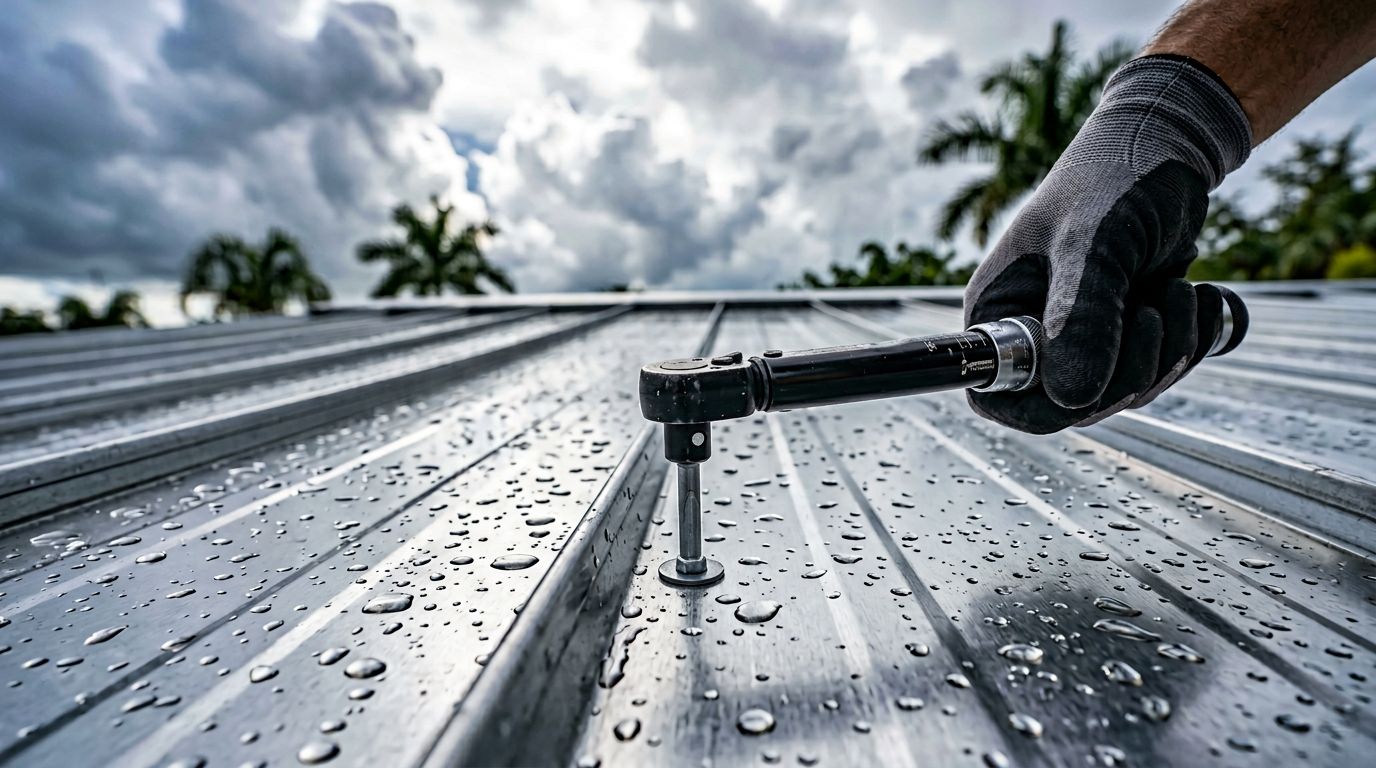
Drive metal roof screws until the washer sits flat and snug against the panel. The EPDM rubber should compress slightly around the edges. No gaps. No bulges.
Picture a sandwich. The screw head clamps bread without squishing the filling. That's your goal. Use a low-torque drill or impact driver on the lowest setting. Feel resistance build, then stop.
Most specs call for hand-tight plus a quarter turn. But check your panel's guide. For example, hex head screws on panels need firm pull-down. Pancake heads for laps sit flatter.
Our Central Florida metal roof screw guide details head types and washers. It matches screws to tasks like panel-to-wood or trim.
Spot Correct Tightness from the Ground
Good installs show clear signs. Walk your roof mid-job. Look close.
The washer edge touches the panel all around. Rubber fills the space without splitting. Panel stays flat, no dimples. Screw head sits perpendicular.
Bad signs scream trouble. Tilted screws mean crooked driving. Gaps under washers signal underdriving. Cracked or mushroomed rubber comes from overkill. Dimpled metal deforms under excess force.
Here's a quick check:
| Sign | Correct Tightness | Wrong and Fix |
|---|---|---|
| Washer contact | Even compression, slight edge squeeze | Gap: Drive more. Split: Replace screw. |
| Panel surface | Flat, no dents | Dimple: Back out, redo lighter. |
| Rubber state | Smooth, no cracks | Bulged/crushed: New fastener needed. |
Test a few. Snug feels secure but not forced. After, the roof looks uniform.
Dangers of Underdriving in High Winds
Underdriven screws leave play. Wind whistles in. Panels lift at edges. Rain pools then leaks.
In Florida, hurricanes amplify it. Uplift tears loose fasteners. Substrates like plywood pull free. One weak spot starts a chain.
Humidity worsens gaps. Wood expands, pushing screws up. Seals dry and crack. Leaks stain ceilings.
Property managers note repairs skyrocket. A full re-secure costs thousands. Prevent it with firm drive every time.
Overdriving Risks in Humid, Rainy Conditions
Too tight crushes washers. EPDM splits fast in heat. Water paths form.
Panels dimple. That traps moisture. Rust spreads under paint. Coastal salt speeds it.
Overdriven threads strip in wood. Holding power drops. Next storm, failure hits.
Florida codes flag this. Inspectors reject dimpled roofs. Warranties void on damaged seals.
Use long-life fasteners coated for our climate. They resist corrosion better. Pair with proper torque.
Panel Profiles and Substrates Change the Rules
No universal tightness fits all. PBR panels need screws in flats near ribs. 5V crimp spaces tighter at edges.
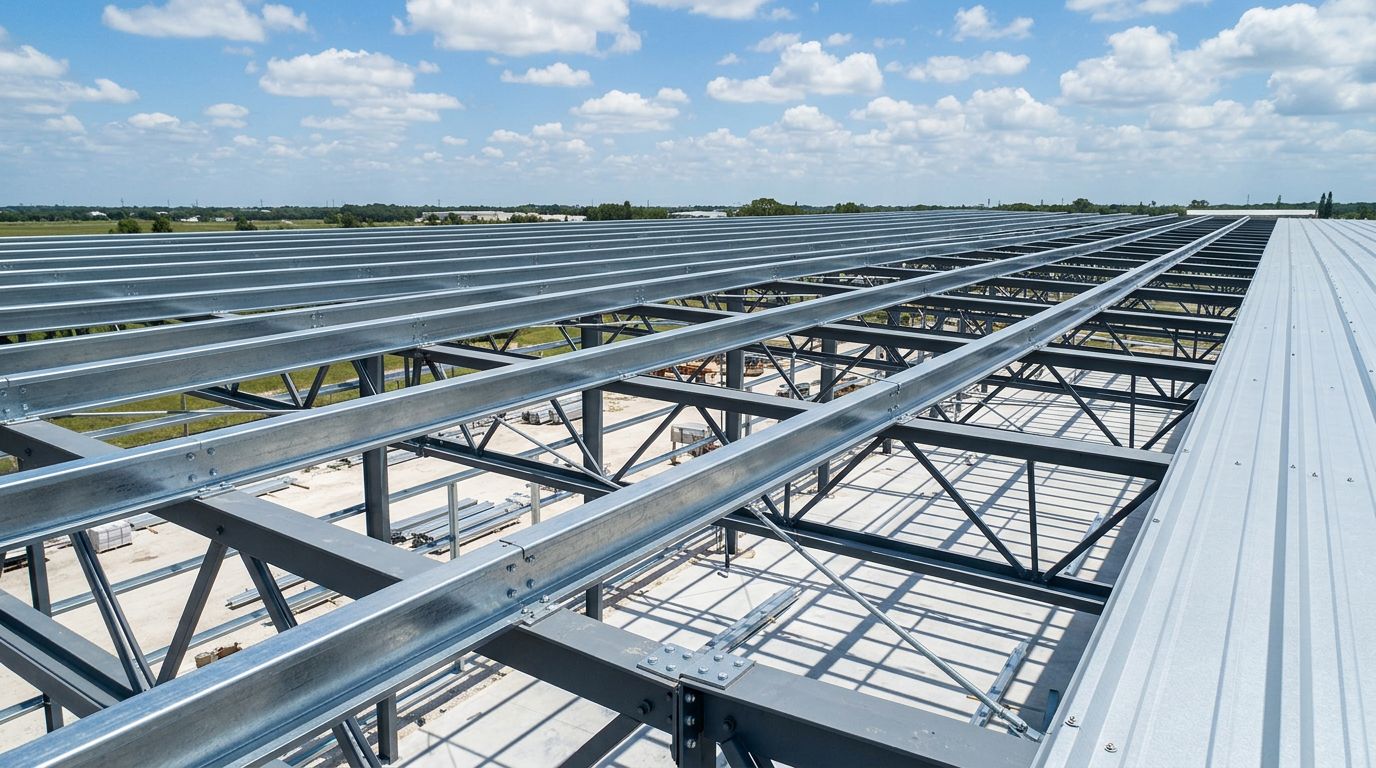
Wood decks want sharp-point screws. Steel purlins need self-drillers. Embed at least one inch.
Slope matters. Steeper sheds water better, but low-pitch needs perfect seals.
Check your Florida Product Approval. It lists exact patterns. For PBR, see our PBR panel fastener placement guide.
Substrate thickness shifts torque. Thin steel strips easy. Thick plywood takes more.
Tools and Habits for Consistent Results
Pick a variable-speed drill. Set to low RPM. Use depth-sensitive bits.
Practice on scrap. Feel the stop. Wear gloves for grip.
Crew leads check first rows. Snap chalk lines for alignment. Vertical drive prevents wobble.
In teams, call "snug" on each. Builds habit.
Estimate extras with our screw quantity calculator guide. Waste happens, plan ahead.
Always Verify Codes and Manufacturer Specs
Florida rules evolve. As of April 2026, use 2023 FBC. High-wind needs stainless near coasts.
Your roof's approval dictates. Matches panel, substrate, zone.
Download manuals. Note torque if listed. No guesswork.
Consult pros for custom jobs. They know local AHJs.
Snug metal roof screws seal your investment against Florida fury. Underdrive invites wind damage. Overdrive kills seals. Check washers, follow specs, and inspect often.
Ready for panels that last? Get a quote for durable systems built for our storms. Your roof deserves it.
Share Our Metal Roofing News Articles
Related Posts