Metal Roof Chimney Crickets for Florida Homes
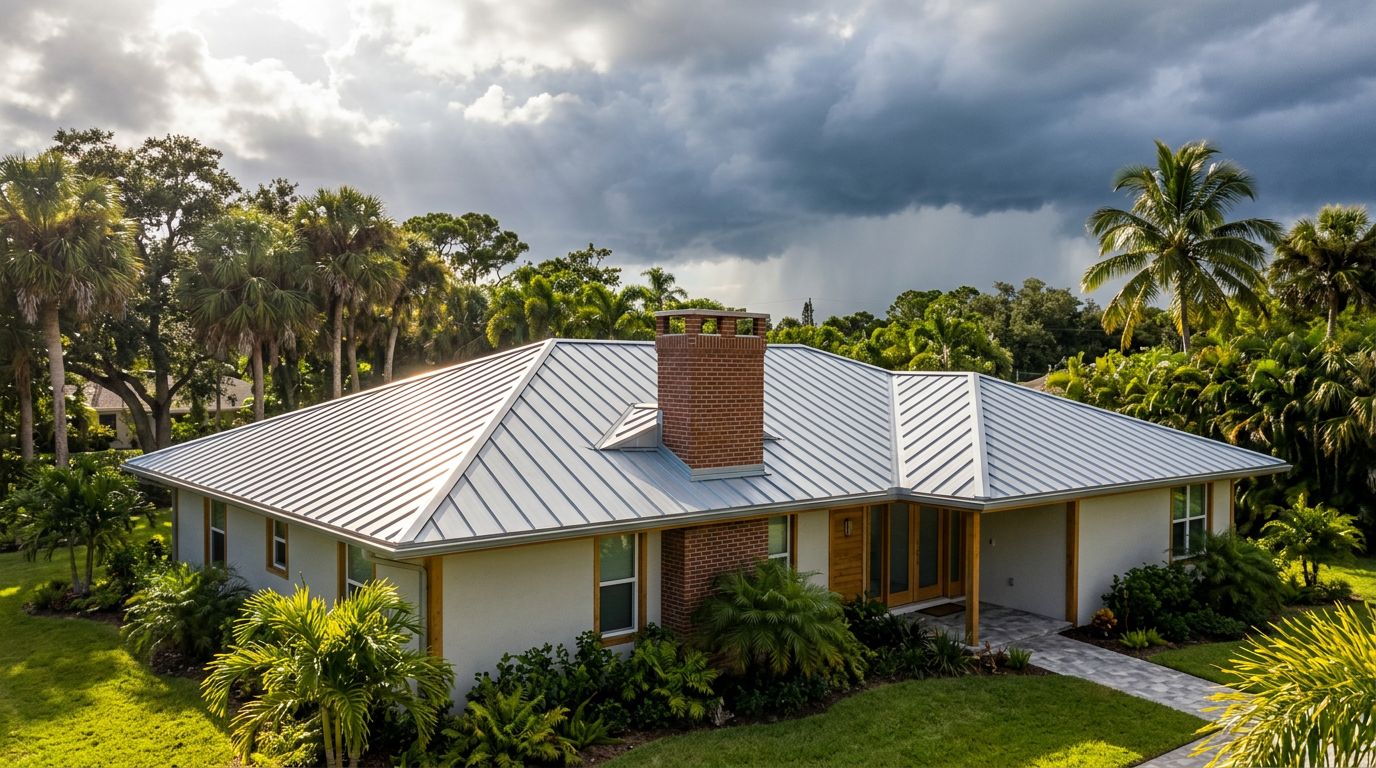
Florida roofs fight a lot at once. Heavy rain, strong wind, salt air, and heat all hit the same details. A chimney can turn into a trouble spot fast, especially on a metal roof where water moves quickly.
A well-built metal roof chimney cricket helps split runoff and keep water from piling up behind the chimney. It also gives flashing a better chance to hold up when summer storms roll through.
If you own a Florida home with a masonry chimney, the small ridge behind it matters more than most people think. The right shape, metal choice, and flashing layout can save you from leaks that hide until the damage is done.
Why Florida Homes Need a Chimney Cricket on a Metal Roof
A chimney blocks the flow of water, so rain has to move around it. On a metal roof, that water comes down fast. Once it hits the uphill side of the chimney, it can back up and search for weak spots.
Florida makes that problem worse. Afternoon storms can dump water hard and fast, then wind pushes rain under edges and seams. That mix puts stress on flashing, sealant, and fasteners.
Many Florida roofers treat a cricket as standard practice when a chimney is wider than 30 inches. Local rules can vary, so the final call should match the roof design and the local building department. Even smaller chimneys may benefit when the roof slope is low or the water path is long.
A cricket also helps protect the roof around the chimney. Without it, water pounds the back side of the chimney and sits there longer. That is where stains, rust, and rot often start.
For a closer look at common flashing weak points, this guide on chimney flashing best practices for metal roofs is a useful reference.
How the Cricket Moves Water and Stays Put in Wind
A cricket is a small peaked diverter. It sits behind the chimney and splits water to both sides. That simple shape matters because water follows the easiest path. If the cricket is shaped well, water goes around the chimney instead of pooling behind it.
The slope should match the roof or run a little steeper. A flat cricket slows drainage, which gives water more time to work into seams. On a metal roof, that can lead to leaks around fasteners and laps.
Wind is the other test. Florida storms do not just dump rain, they lift loose edges and push water sideways. So the cricket has to be tied into the roof structure, not just laid over it. Weak framing can flex, and flexing opens gaps.
A solid cricket also helps the flashing stay tight. When the wind pulls at the roofing edge, a stiff frame reduces movement. That matters because movement is what cracks sealant and loosens metal over time.
If water can sit behind the chimney, it will keep looking for a way in.
That is why the shape has to work with both rain and wind. One without the other is only half a fix.
Materials and Flashing That Work in Florida Heat
Florida heat is hard on cheap metal and weak coatings. The best cricket materials are corrosion-resistant and matched to the roof system whenever possible. Galvanized steel, aluminum, coated steel, and copper all have a place, but mixing metals without planning can lead to corrosion.
That risk matters near chimneys because flashing pieces often touch masonry, fasteners, and roof panels at the same time. When different metals meet and moisture stays trapped, problems show up faster. Good design avoids that trap.
The underlayment under the cricket matters too. A water barrier gives the roof a second line of defense if a seam ever opens. Where code allows it, self-adhering underlayment at the vulnerable areas is smart insurance.
Flashing is where many roof repairs fail. The chimney needs a proper apron at the bottom, side flashing along the edges, and counterflashing at the masonry. Caulk alone is not a system. It dries out, cracks, and lets water back in.
If the roof has other penetrations nearby, the same water-shedding ideas apply. This roof curb flashing guide for Florida metal roof openings shows how diverters and custom flashing help control runoff around roof features.
The best cricket and flashing setup looks like part of the roof, not a patch. That is the goal on any Florida home.
Installation Details That Keep Leaks Out
A good design can still fail if the installation is sloppy. The steps below are the parts most often done wrong.
- The framing has to be straight and anchored well. A crooked cricket sends water to the wrong spot.
- The underlayment should cover the vulnerable seams and overlap in the right direction.
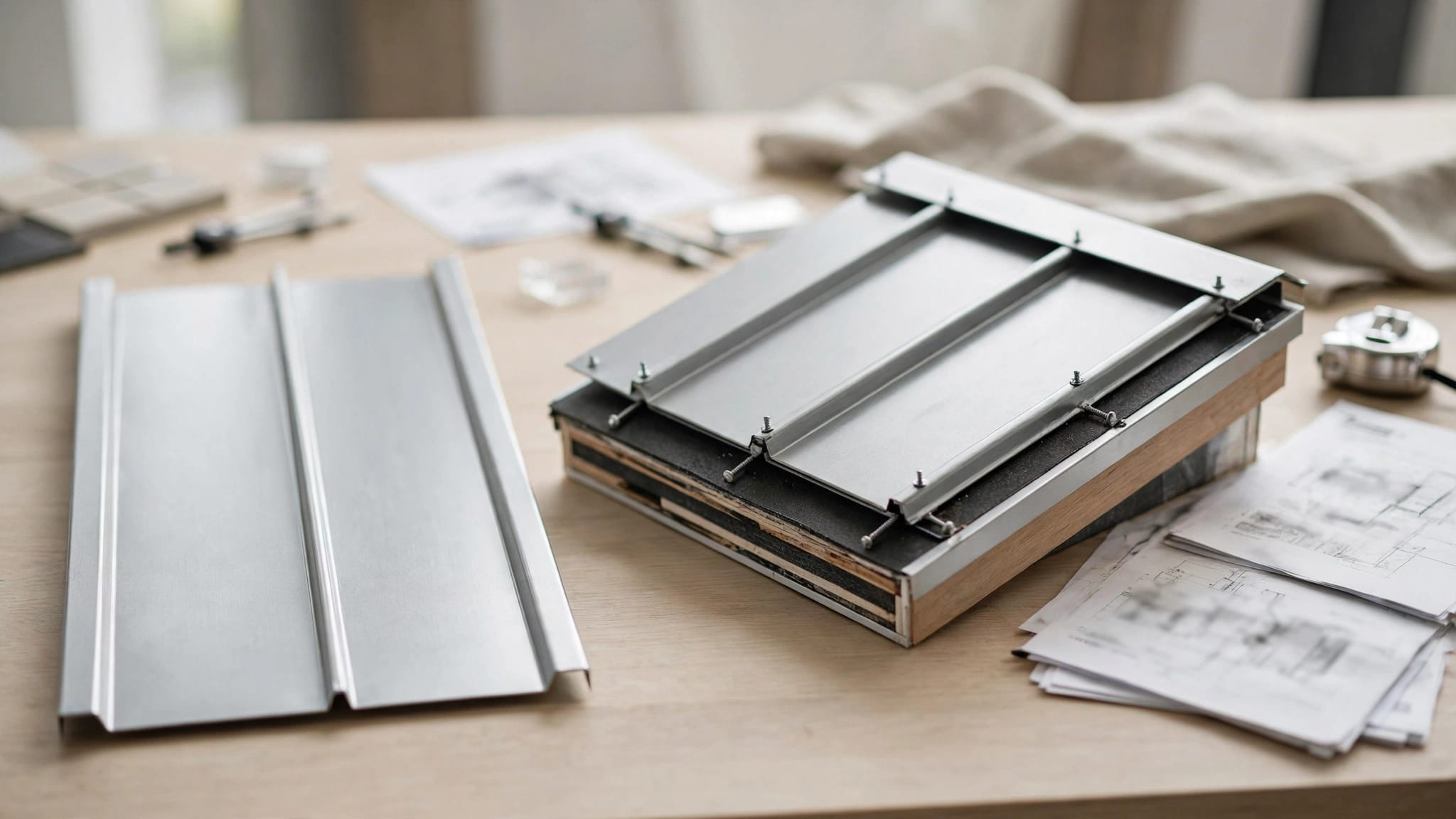
- The metal pieces should be custom bent or made to match the roof profile.
- The chimney flashing should integrate with the cricket, not sit against it as a separate patch.
- Fasteners need the right spacing, the right type, and the right placement. Screws in low spots invite leaks.
On a metal roof, panel profile matters. Standing seam roofs and exposed-fastener panels do not take the same trim details. That means the cricket flashing has to match the system, not fight it.
A hose test can help after installation. Water should run around the chimney cleanly, with no pooling behind it. If water stalls, the pitch or flashing layout needs attention.
Clean edges matter too. Loose sealant, sharp cuts, and open laps are signs of a rushed job. A proper cricket should move water away without depending on thick beads of caulk.
Signs the Cricket or Flashing Is Failing
Some failures are obvious. Others hide until the drywall spots show up inside.
Watch for these signs after storms or during routine roof checks:
- Rust streaks or white oxidation near seams and fasteners
- Stains on the ceiling or attic framing near the chimney
- Cracked or separated sealant around flashing
- Lifted metal edges after strong wind
- Damp insulation or mildew smells in the attic
- Debris and standing water behind the chimney
The stain may show up far from the leak. Water can travel along framing before it drops. That makes chimney leaks easy to miss and hard to blame on the right spot.
Pay close attention to the top and sides of the chimney. If the rear flashing is loose, water often gets in during wind-driven rain. If the cricket is too flat, you may see debris collect there first. That pile of leaves or grit is a warning sign.
A roof that looks fine from the street can still have a failing detail behind the chimney. Small rust lines or cracked caulk are early clues. Catching them early is cheaper than repairing soffit, insulation, and drywall later.
Permits, Code Checks, and When to Bring in a Pro
Florida counties and cities can treat roof work differently, so permit rules should be checked before the job starts. Chimney flashing work, structural changes, and reroofing jobs often trigger a permit review. That is especially true when the cricket changes the roof framing.
Code language also matters. In many places, chimneys wider than 30 inches call for a cricket. Local rules can differ, so the building department should confirm what applies to your address.
A pro is the safer call when the chimney is masonry, the roof slope is low, or the roof already shows leak damage. A metal roofing contractor can also match the cricket to the panel profile and wind exposure. That matters in Florida because the wrong trim detail can fail long before the roof does.
Homeowners should avoid covering a leak with roof cement and hoping for the best. That hides the symptom, not the cause. Proper flashing, strong framing, and corrosion-resistant metal are the real fix.
Conclusion
Florida roofs need more than a quick patch around a chimney. They need a path for water, a solid frame for wind, and flashing that fits the roof system.
When a metal roof chimney cricket is sized and installed the right way, it helps rain move off the roof instead of backing up behind the chimney. That simple shape protects the roof in heavy storms, and it reduces the chance of hidden leaks later.
If your chimney shows stains, rust, or loose flashing, the details behind it deserve a close look. On a Florida home, that small ridge can make a big difference when the next storm hits.
Share Our Metal Roofing News Articles
Related Posts