5V Crimp vs PBR Panels for Florida Barn Roofs
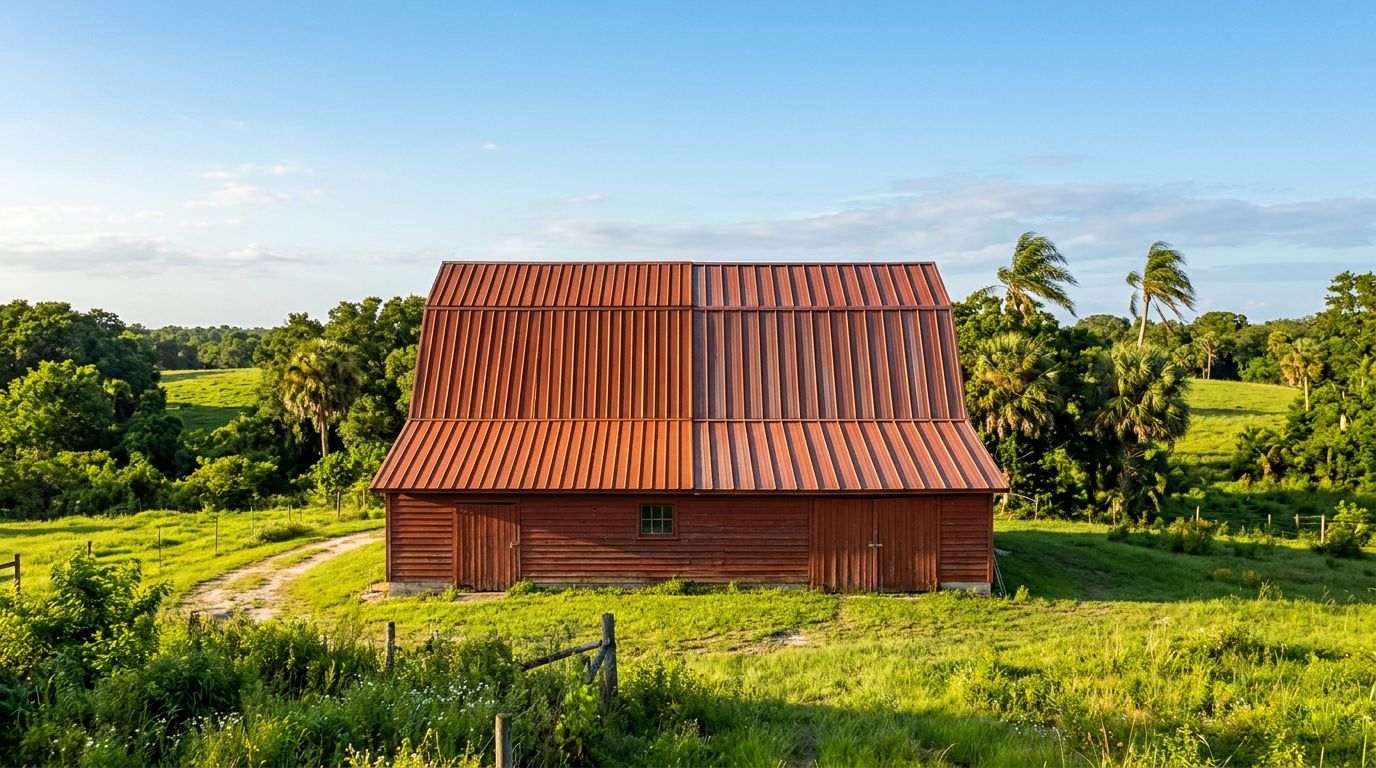
Florida barns live a harder life than most roofs. Sun bakes them, storms test them, and salt air works on every screw and seam. When you compare 5V Crimp vs PBR panels , the better choice usually comes down to wind exposure, roof structure, upkeep, and how the barn is used.
A small storage barn near town does not need the same roof as a wide pole barn in open pasture. The panel profile matters, but the full roof assembly matters more. That is where the real decision starts.
What makes 5V Crimp and PBR different
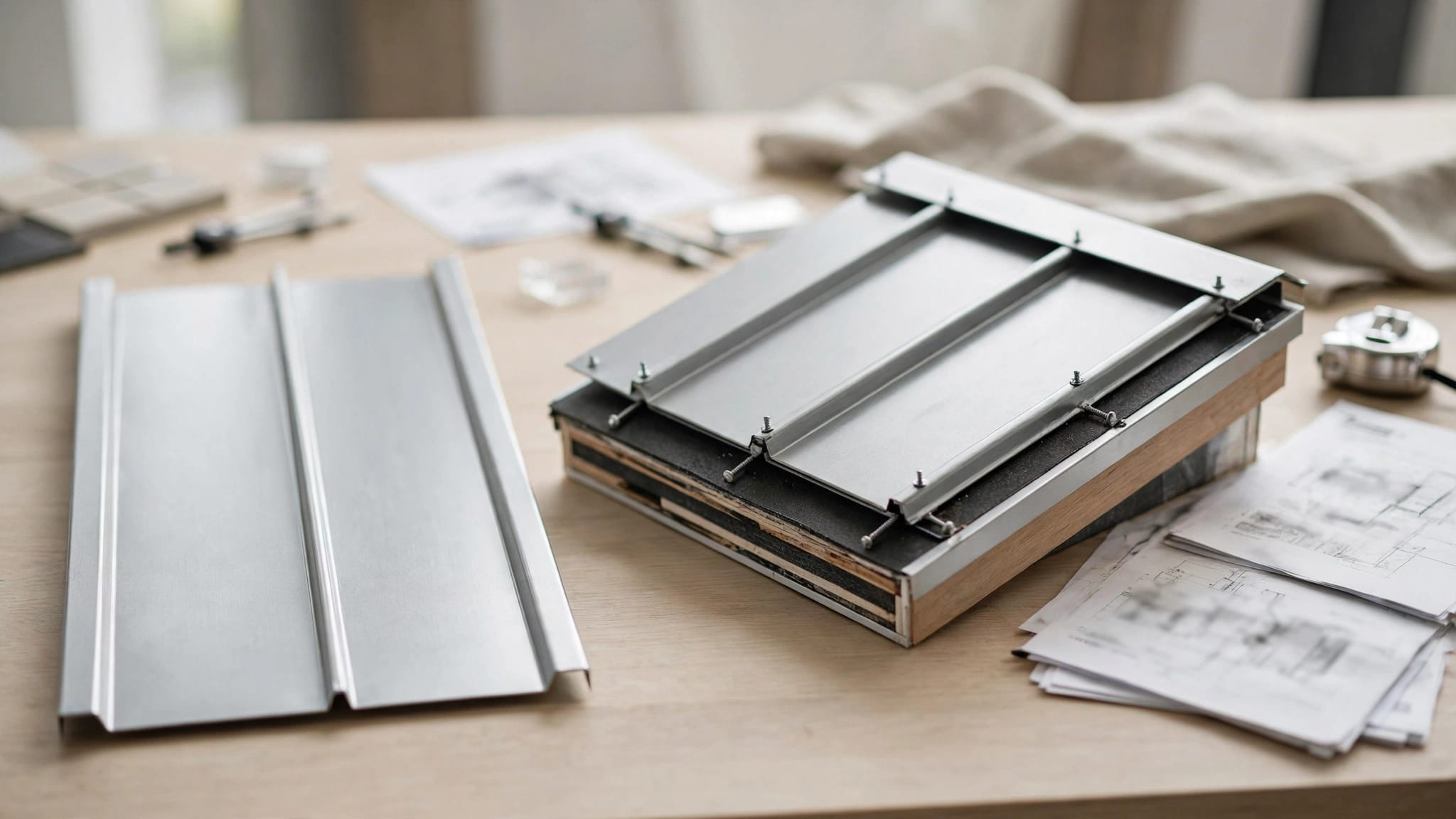
Both panels use exposed fasteners, so both depend on good installation and regular checks. The difference is in the shape, coverage, and how each panel behaves on a barn roof.
| Feature | 5V Crimp | PBR Panel | Florida impact |
|---|---|---|---|
| Look | Classic, narrow ribs with a traditional barn feel | Wider panel with a more industrial look | Style matters on visible barns and horse properties |
| Coverage | Narrower panel, so it takes more pieces | Wider panel, so it covers faster | Fewer seams can help on larger roofs |
| Structure fit | Works well on solid decking and smaller spans | Works well on purlins and solid decking | PBR often suits open-framed barns better |
| Fasteners | Exposed screws that need regular checks | Exposed screws that also need regular checks | Both need maintenance after storms |
| Weather behavior | Can perform well when installed right, but has more seams | Usually handles wind and rain better on larger roofs | PBR often has the edge in harsh conditions |
The main takeaway is simple. 5V Crimp is usually the prettier, lighter-looking option. PBR is usually the tougher, more forgiving option for bigger buildings.
For Florida barns, fewer seams often mean fewer weak spots. That does not make 5V a bad choice. It just means PBR has more going for it when the roof is large and the weather is rough.
Florida weather changes the choice fast
Florida does not just bring rain. It brings wind-driven rain, high humidity, salt air near the coast, and long stretches of heat. Those conditions punish weak details.
Wind-driven rain is the biggest test. Water can push under laps, around screws, and into trim if the install is sloppy. That is why underlayment and fastening patterns matter so much. A metal panel sheds water well, but the system below it still has to do its job.
Humidity matters too. Barn roofs sweat when warm air meets a cooler roof surface. On open-framed barns, that can lead to condensation under the panels. On enclosed barns, it can affect insulation, wood framing, and stored goods. The right underlayment or condensation control layer helps reduce that problem.
Salt air adds another layer. If the barn sits near the coast, standard screws and trim can corrode faster. Coated fasteners, quality trim, and regular inspections matter more there than they do inland.
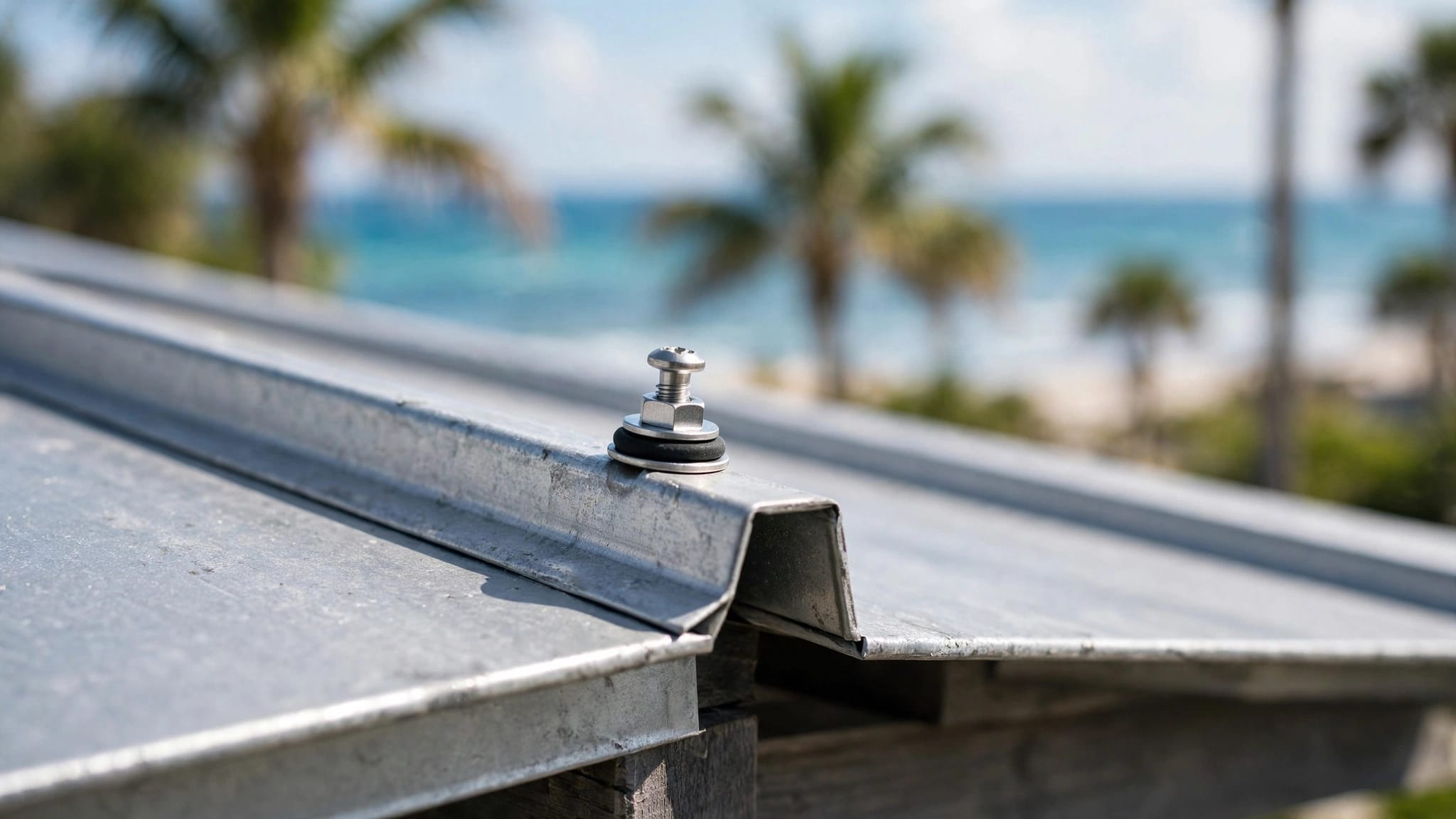
In Florida, the weak spot is often the fastener, not the steel panel.
That is why roof owners should think beyond the panel name. A well-installed roof with the wrong screws will age badly. A proper roof assembly with good fasteners, sealant, and underlayment holds up much better.
On solid decking, use an approved underlayment that matches the panel and roof slope. On open framing, make sure the panel, purlin spacing, and any condensation control layer all work together. Small details decide how the roof performs in a storm.
Where 5V Crimp still makes sense
5V Crimp has a place on Florida barns, especially when looks matter and the building is not very large. It fits well on smaller roofs where the traditional profile matches the property.
It often makes sense for:
- Horse barns with a classic look , especially when the roof is visible from the driveway or pasture.
- Smaller storage barns , where the roof area is limited and maintenance access is easy.
- Budget-sensitive re-roofs , when the structure is sound and the owner wants a familiar panel style.
That said, 5V Crimp asks for more attention over time. The exposed screws should be checked after major storms and during regular roof maintenance. In coastal areas, the fasteners and trim need even more care.
If the roof pitch is low, the weather exposure is high, or the barn is very large, 5V can still work, but the margin for error shrinks. The panel itself is only part of the story. The install details matter more than the profile.
For property owners who want a traditional look on a smaller barn, 5V Crimp can be a smart choice. It gives the building a classic Florida style without moving into a more industrial appearance.
Why PBR often wins on larger barns
PBR, short for purlin bearing rib, is built for larger spans and stronger structural support. That makes it a natural fit for open-framed barns, equipment sheds, and wide agricultural roofs.
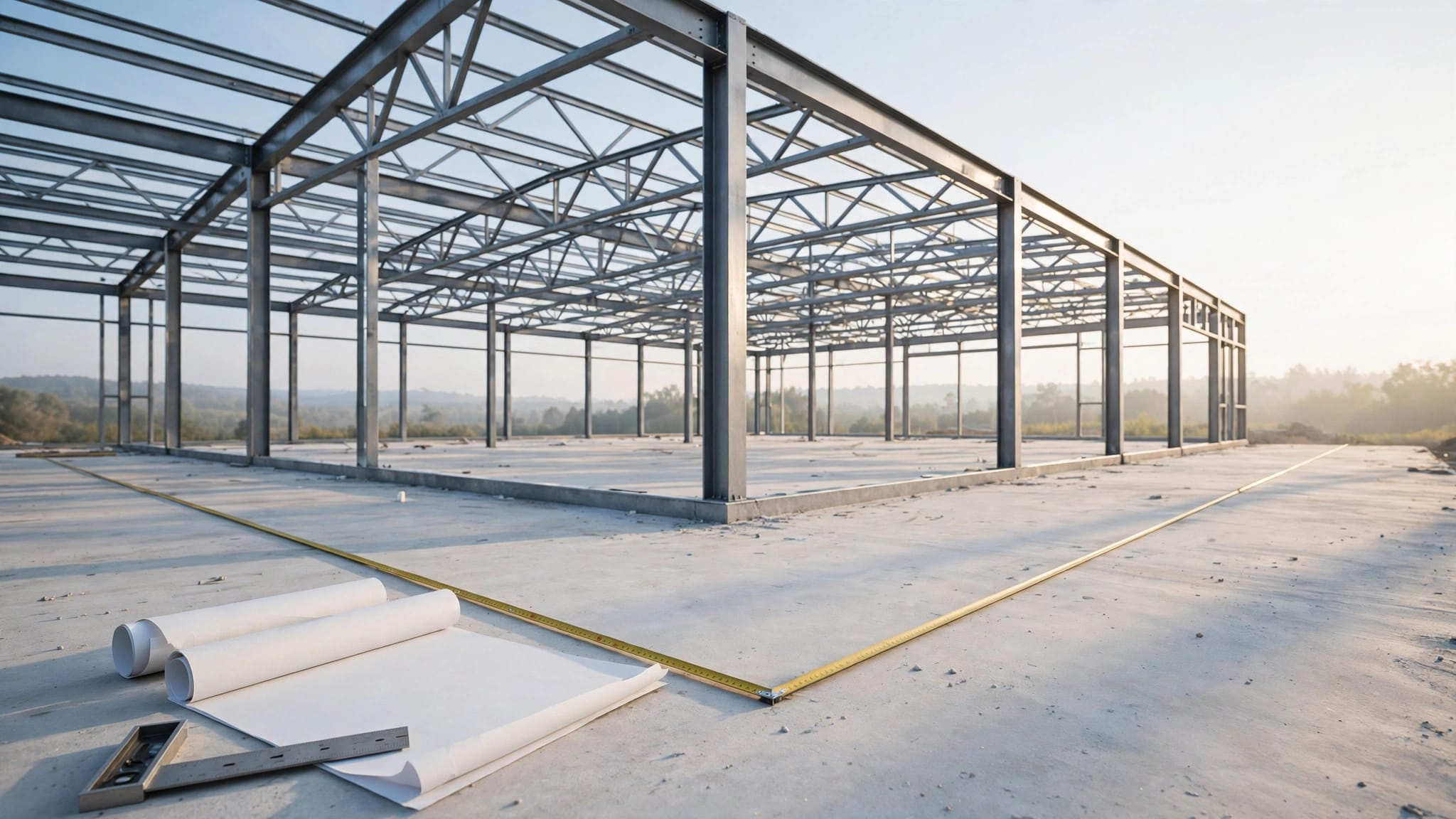
If you are planning a new build, pre-engineered pole barn kits for Florida properties are worth a look because the roof profile can match the structure from the start. That helps with spacing, fastening, and long-term performance.
PBR often makes more sense for:
- Agricultural barns that cover big equipment or feed storage.
- Pole barns with open framing and wide roof spans.
- Horse barns in exposed areas where wind and rain hit hard.
- Storage barns where long-term durability matters more than a traditional look.
The wider panel also means fewer seams across the roof. Fewer seams can mean fewer places for water intrusion and fewer fasteners to monitor over time. That matters in Florida, where storms are not rare events.
PBR still uses exposed fasteners, so it is not maintenance-free. Still, it usually gives owners more confidence on a big roof. If the site is windy, the roof is broad, or the barn sits in a more exposed area, PBR is often the safer long-term pick.
The cost difference between 5V and PBR is often smaller than the cost of repeated repairs. That is why many owners choose PBR when the barn has to work hard for years, not just look good on day one.
Code, underlayment, and insurance should guide the final call
Florida building code and insurance reviews care about more than the panel name. They care about the full assembly. That includes the substrate, fastener schedule, underlayment, slope, and product approval for the exact installation method.
A 5V roof over plywood is not the same as a 5V roof over purlins. A PBR roof over open framing is not the same as the same panel over a solid deck. The approved assembly has to match the way the barn is built.
That is important for permits, inspections, and insurance claims. Keep the product approval, the permit paperwork, screw specs, and install photos together. If a storm damages the roof, clear records help show that the barn was built correctly.
Maintenance records help too. A quick note about screw replacement, sealant touch-ups, or corrosion checks can save time later. In Florida, that kind of paper trail matters.
For new construction, it helps to think about the roof and structure together. Classic American barn steel buildings are a good example of how the barn style, roof pitch, and panel choice can work as one system. That planning step can make the final roof easier to permit, build, and maintain.
Conclusion
Florida barns do not fail because of one big mistake. They fail when wind, water, heat, and poor maintenance all hit the same weak point.
5V Crimp still works well for smaller barns and traditional-looking horse or storage buildings. PBR usually makes more sense for larger barns, open pole structures, and windy or coastal sites.
The best roof is the one that fits the building, the exposure, and the upkeep plan. In Florida, that choice matters as much as the panel itself.
Share Our Metal Roofing News Articles
Related Posts