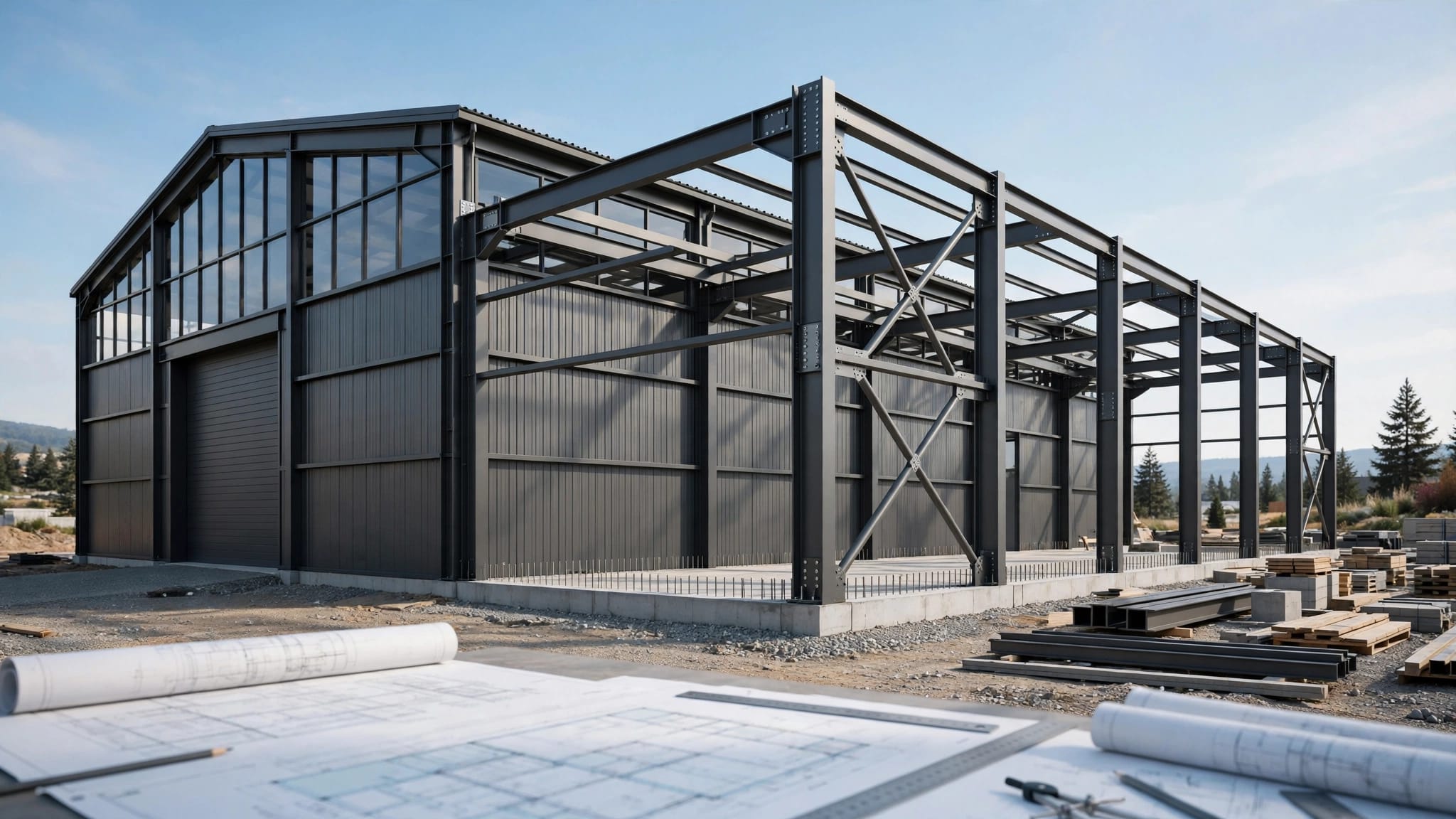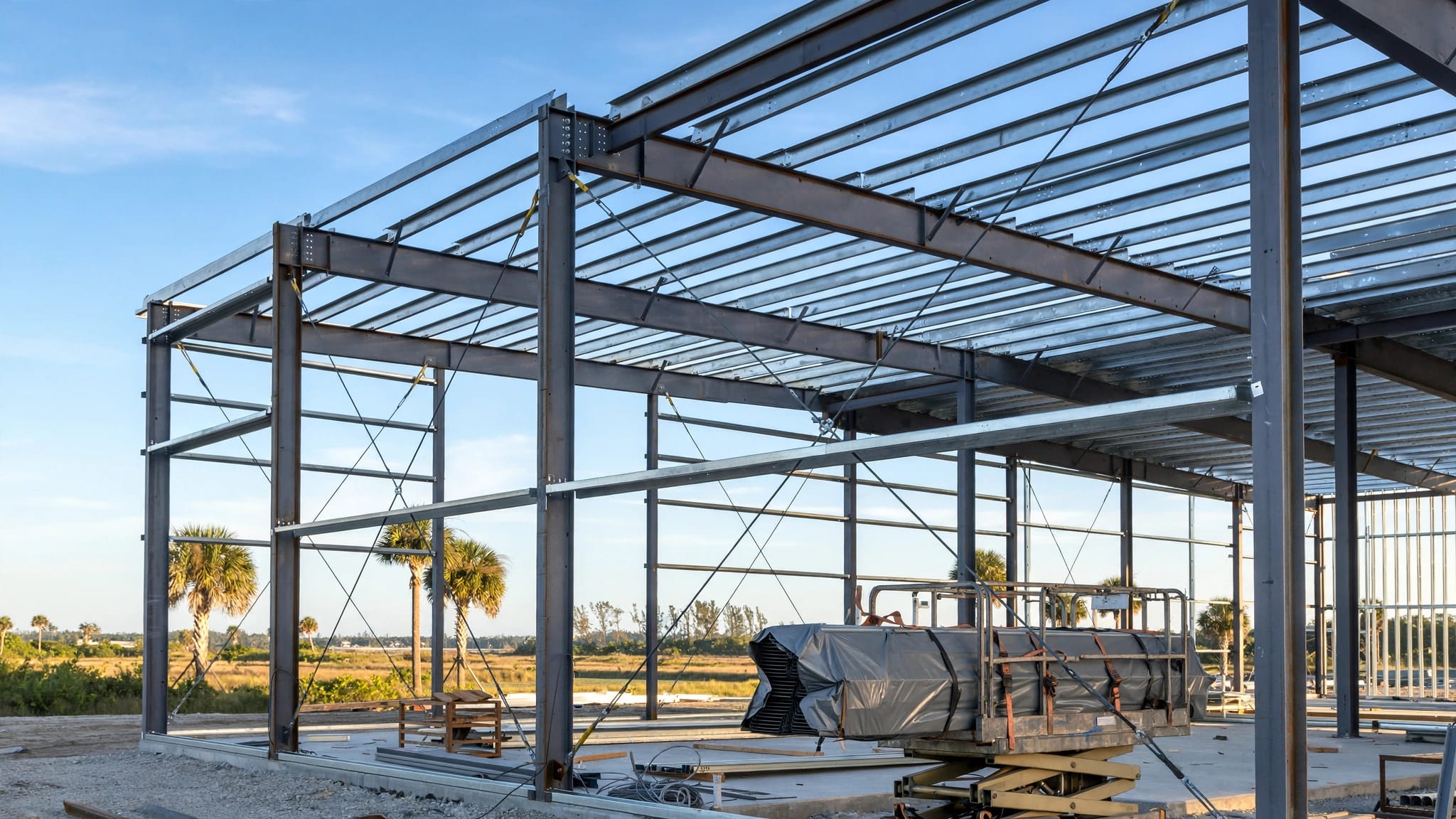
Florida Porch Tie-Ins: Your Guide to Metal Roof Transition Flashing
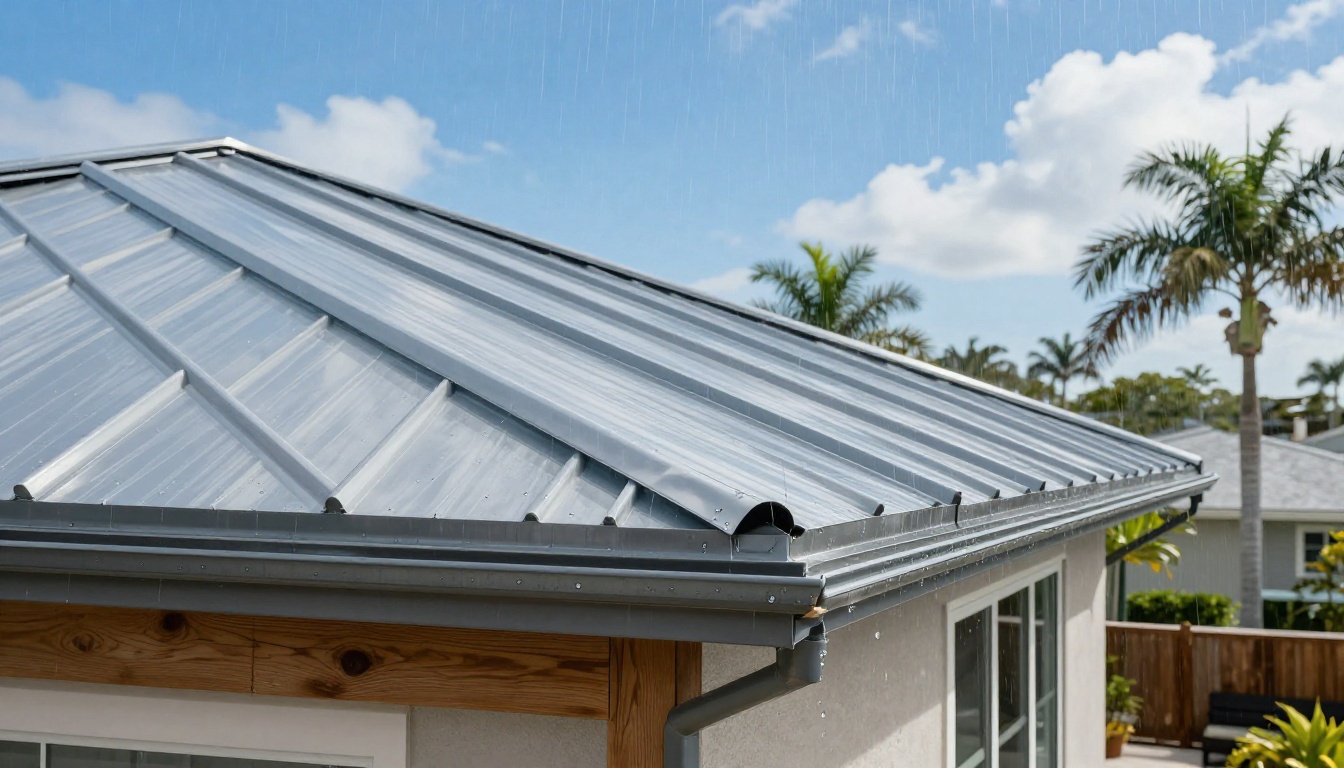
Florida storms hit hard. You add a porch roof, but water sneaks in at the tie-in. Suddenly, leaks stain your ceiling. Metal roof transition flashing fixes that. It seals where the main roof meets the porch edge.
Porch tie-ins face wind-driven rain and heat expansion. Coastal salt air speeds rust too. Poor flashing turns a solid metal roof into a headache. Homeowners and contractors need details that last.
This guide covers materials, steps, and pitfalls. You'll learn watertight methods for your panels. Exact specs depend on profile, slope, structure, and local codes. Always check manufacturer instructions and your building department.
Why Porch Tie-Ins Need Strong Transition Flashing in Florida
Porch roofs tie into the main house roof at a sloped edge. Water flows fast here. Florida rain blows sideways. Gusts push it uphill under loose trim.
Heat makes panels expand daily. They pull back at night. Flashing must allow movement. Otherwise, stress cracks seals. Coastal homes fight salt corrosion. Inland jobs still battle humidity.
The 2023 Florida Building Code rules most areas now. It demands corrosion-resistant flashing at roof-wall junctions. Wind zones tighten fastener spacing. High-velocity hurricane zones require even more.
Underlayment ties in too. It laps over flashing legs. This creates layers. No single piece holds all water. Inspectors check laps and approvals. Skip permits, and insurance balks later.
Think of flashing like a gutter at the joint. It splits flow around the porch. Get it wrong, and ponding starts. For similar roof-to-wall needs, see this Florida endwall flashing for metal roofs.
Pick Materials That Stand Up to Florida Weather
Start with metal that matches your panels. Galvanized or coated steel works inland. Aluminum or stainless fits coasts. Avoid mixing types. Galvanic corrosion eats joints fast.
Thickness matters. Code calls for minimums like 26-gauge steel. Heavier gauges stiffen long runs. Kynar coatings resist UV fade.
Closures seal rib gaps. Profile-matched ones beat foam. Butyl tape compresses under them. It stays flexible. Don't rely on caulk alone. Sun cracks it quick.
Fasteners need washers. Space them per approvals. Keep them out of water paths. For custom fits, check custom metal roof trim ordering.
Here's a quick material match:
| Material | Best Spot | Watch For |
|---|---|---|
| Coated steel | Inland porches | Seal cut edges |
| Aluminum | Coastal tie-ins | Soft; use right screws |
| Stainless steel | High-salt areas | Cost; match system |
| Butyl tape | Lap seals | Press firm; no stretch |
Underlayment gets special care. Self-adhered layers hold in wind. They back up flashing. Always verify Florida Product Approvals.
Step-by-Step: Install Transition Flashing Right
Prep first. Confirm panel profile like PBR, 5V, or standing seam. Dry-fit pieces. Allow setback for clips and movement.
- Tie underlayment. Turn it up the porch wall. Lap over flashing base.
- Set base flashing. It covers panel ends. Turn vertical leg up the wall. Hem edges for stiffness.
- Add closures. Match rib shape. Run butyl tape first. Press closures firm.
- Lap flashing shingle-style. Higher pieces cover lowers. Fasten per code.
- Counterflash the top. Reglet or mechanical lock beats caulk. Directs water back.
- Seal laps neatly. Remove shavings. Check for gaps.
Water-test if safe. Watch flow paths. For standing seam porches, Z-closure flashing for standing seam adds a tight shelf.
Work safe. Use anchors on slopes. Gloves protect from edges. Crews finish faster with matched trim.
Spot and Fix Common Failure Points at Porch Tie-Ins
Leaks love shortcuts. Exposed screws in pans top the list. Water pools there. Rust follows.
Reverse laps let rain ride up. Always shingle down-slope. Missing closures leave rib voids. Wind sneaks in.
Caulk-only tops fail first. UV and cycles break it. Stiff trim oil-cans in gusts. Thin metal flexes.
Ponding upstream signals poor diversion. Add a cricket if needed. Coastal rust streaks mark bad metal mixes.
Check attics for stains. Binoculars spot ground issues. Fix before storms. Like valleys, porches carry heavy flow, so see Florida metal roof valley flashing.
Insist on approvals. Inspectors flag mismatches. Repairs cost more than right installs.
Wrap It Up with a Dry Porch
Solid metal roof transition flashing keeps Florida porches watertight. Match materials to conditions. Follow steps and codes. Avoid caulk crutches.
Your roof lasts longer. Storms test less. Homeowners, verify contractor plans. Contractors, document approvals.
Ready for your tie-in? Grab specs and quote trim. Dry roofs beat wet regrets every time.
Share Our Metal Roofing News Articles
Related Posts