Metal Roofing Test Reports and Product Approvals in Florida
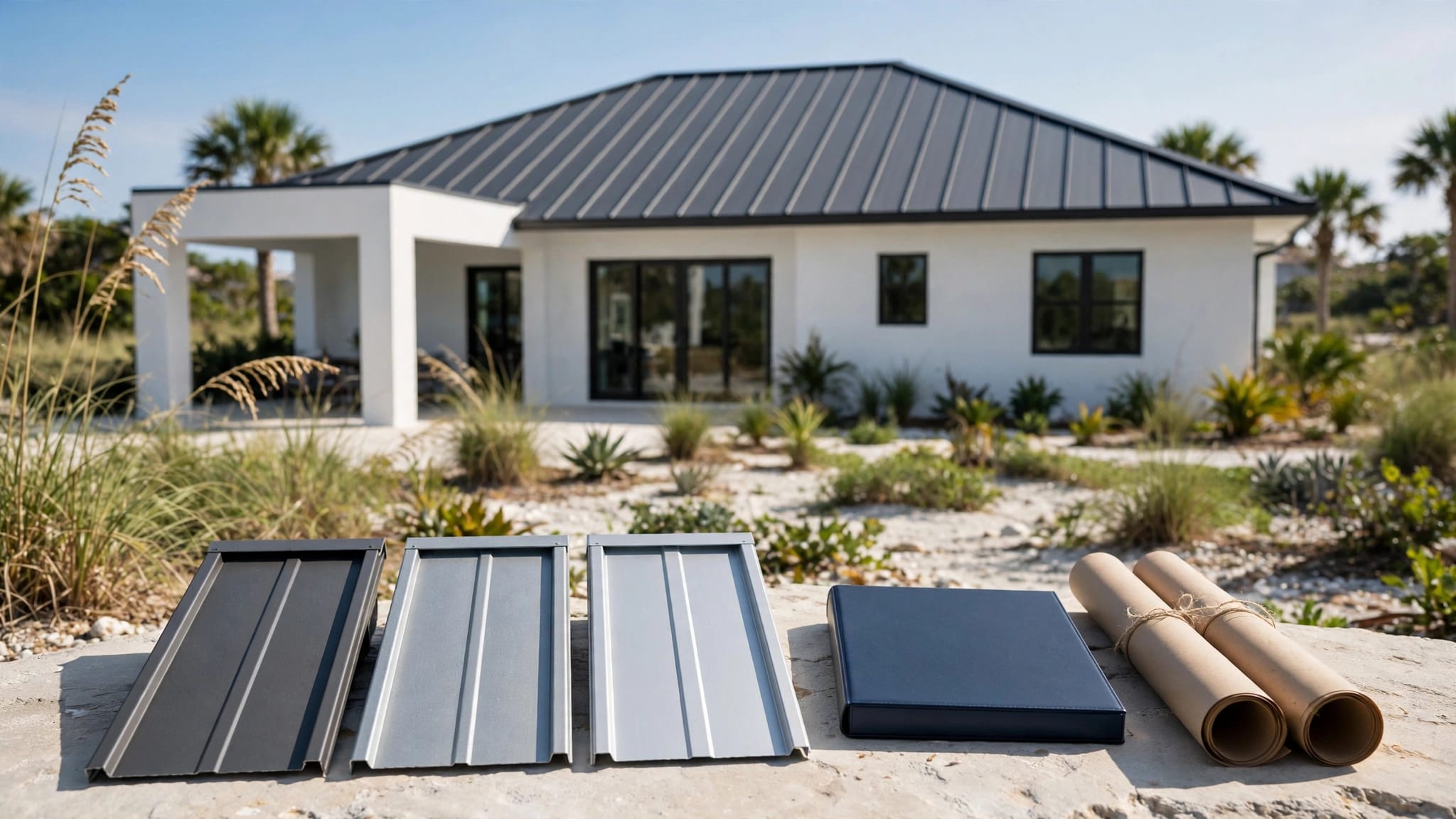
Two metal panels can look identical on a roof and have different approval limits. If you're comparing bids, the most useful question isn't whether a panel is "Florida approved." It's whether the documented roof assembly matches the one your contractor will install.
Florida metal roofing approvals identify products, installation methods, and conditions of use. Test reports explain the performance behind those approvals, but a test result alone doesn't authorize every roof design. Start by identifying which approval applies to your location, then compare its details with your project.
Florida metal roofing approvals: state and Miami-Dade routes
Florida Product Approval and a Miami-Dade County Notice of Acceptance (NOA) are separate records. Neither document is a blanket approval for every version of a panel or every installation method.
| Document | What it identifies | What to check first |
|---|---|---|
| Florida Product Approval | A product or system accepted through Florida's statewide approval process | The approval number, current status, approved uses, and installation documents |
| Miami-Dade NOA | A product or system accepted through Miami-Dade County's Product Control process | The NOA's validity, approved assemblies, and stated limitations |
The location matters, but the scope of the individual record matters just as much.
Florida Product Approval
A Florida approval record commonly has an FL number and associated documentation, such as an evaluation report or installation instructions. Search for the exact manufacturer and product, then open the supporting documents. A search-result title or a number printed on a quote won't tell you which gauges, substrates, or attachment patterns qualify.
The record may also distinguish roof use from wall use. Check that you're reading the roofing assembly rather than another application of the same panel.
Miami-Dade NOAs and the HVHZ
Miami-Dade issues NOAs through a separate process. The High-Velocity Hurricane Zone (HVHZ) includes Miami-Dade and Broward counties, where location-specific requirements deserve close review. Don't assume an approval covers the HVHZ because the panel is sold elsewhere in Florida.
For a closer look at the two paths, see Florida Product Approval and Miami-Dade NOA for metal roofing. Confirm the accepted documentation and project requirements with the local building department and design professional before ordering.
What a metal roofing test report actually proves
A laboratory test report records how a particular specimen performed under a defined test procedure. It does not mean every roof built with that panel has the same capacity. The connections and supporting structure are part of the result.
Read the specimen description before the pressure number
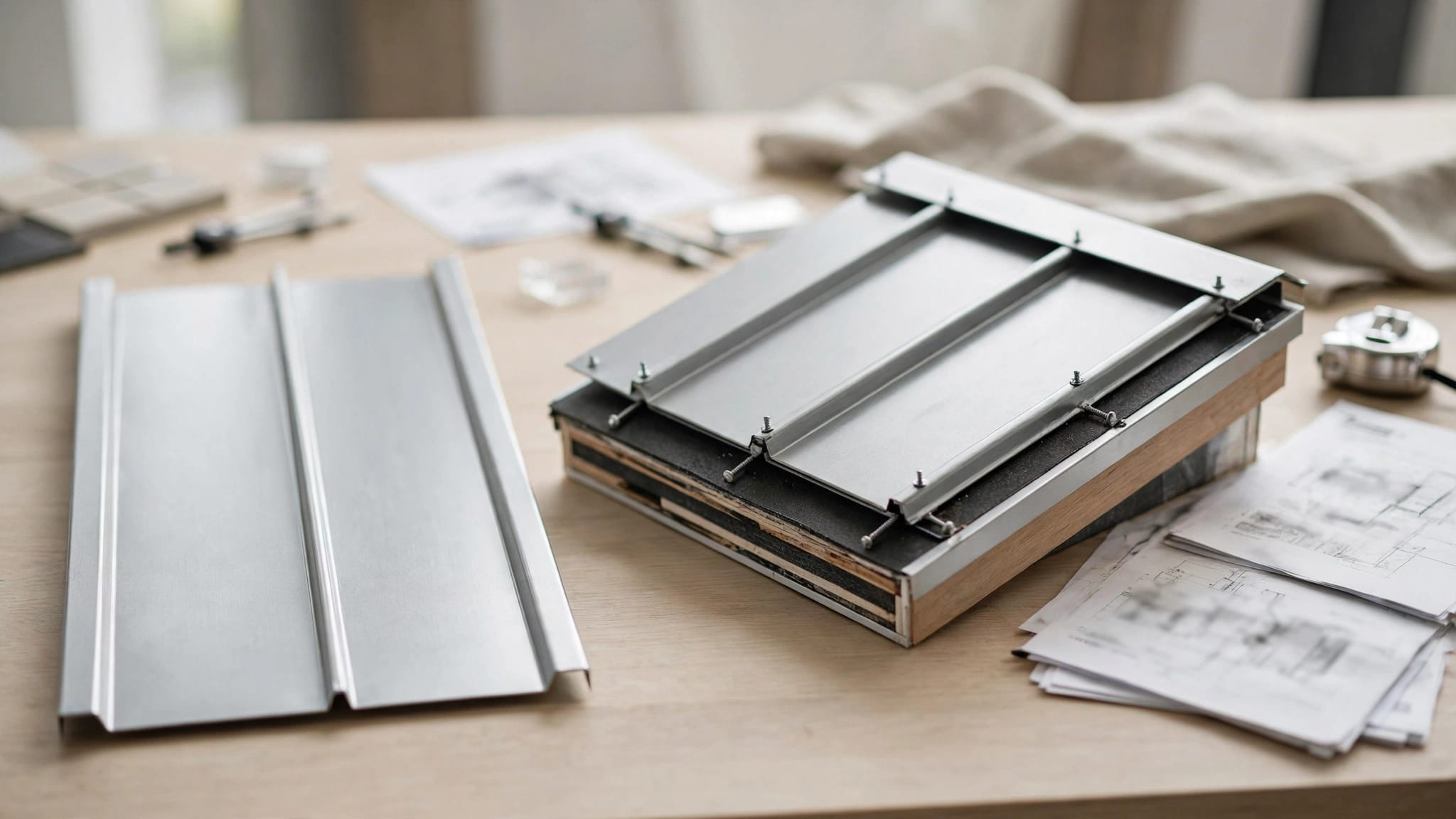
Find the panel profile, metal type, thickness or gauge, panel width, seam or rib geometry, and support arrangement. Then look for the attachment details: clip type, screw size, screw placement, and spacing.
For example, a standing seam panel attached with clips isn't the same assembly as a similar-looking nail-strip panel. An exposed-fastener panel screwed into wood decking also differs from one attached to steel purlins. The report's drawings and notes often explain these differences more clearly than its cover page.
Separate test performance from approved design pressure
Wind testing can report the pressure reached during a test, the failure point, or another measured result. The approval documents may list a different allowable design pressure for the assembly.
Don't compare a peak laboratory number directly with your building's required pressure. Instead, find the allowable value for the exact installation option in the approval. Your designer or permit reviewer can then compare it with the project's wind pressures, including those at edges and corners.
A high test result won't rescue an installation that uses a different substrate, wider fastener spacing, or the wrong clip.
Recognize the test method without overreading it
Test-method names tell you what was measured. They don't, by themselves, confirm that a roof meets every wind, water, or installation requirement on your project.
Uplift tests address defined assemblies
ASTM E1592 measures the performance of sheet-metal panels and their attachments under uniform static air-pressure differences. UL 580 addresses the uplift resistance of roof assemblies, while UL 1897 addresses the uplift resistance of roof-covering systems.
A report using one of these methods needs its specimen description alongside the result. None of those three methods, on its own, is a water-penetration test. Check the applicable approval for any separate water-related evidence or installation requirements.
Check the stated scope of other tests
Florida and Miami-Dade documentation may reference additional test methods, including TAS standards. Read the named standard, report description, and approval limitations rather than assuming every test measures uplift.
If a test summary and an approval appear to disagree, ask the manufacturer or design professional to identify the controlling approved assembly. The record's listed design pressure and installation conditions are more useful for selection than an isolated test number.
Match the approved installation to your roof
The central check is straightforward: can the crew build the assembly shown in the approval on the building that actually exists? Review the plans, quote, approval drawings, and site conditions together.
Confirm the panel and supporting surface
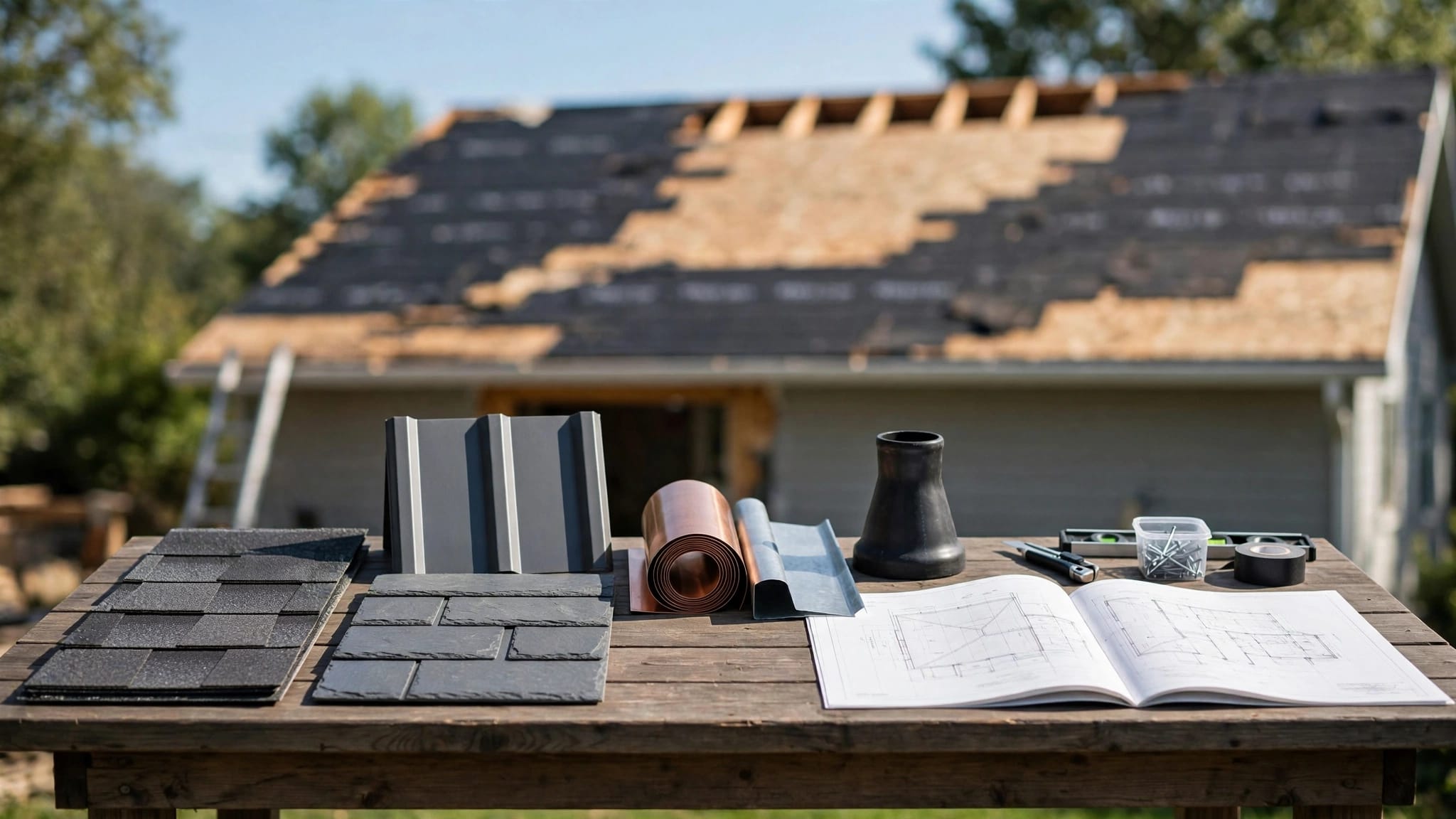
Start with the profile, gauge, material, and intended use. Next, identify what sits beneath the panels: plywood, OSB, wood supports, or metal framing, as applicable. Check the specified thickness, support spacing, and roof slope.
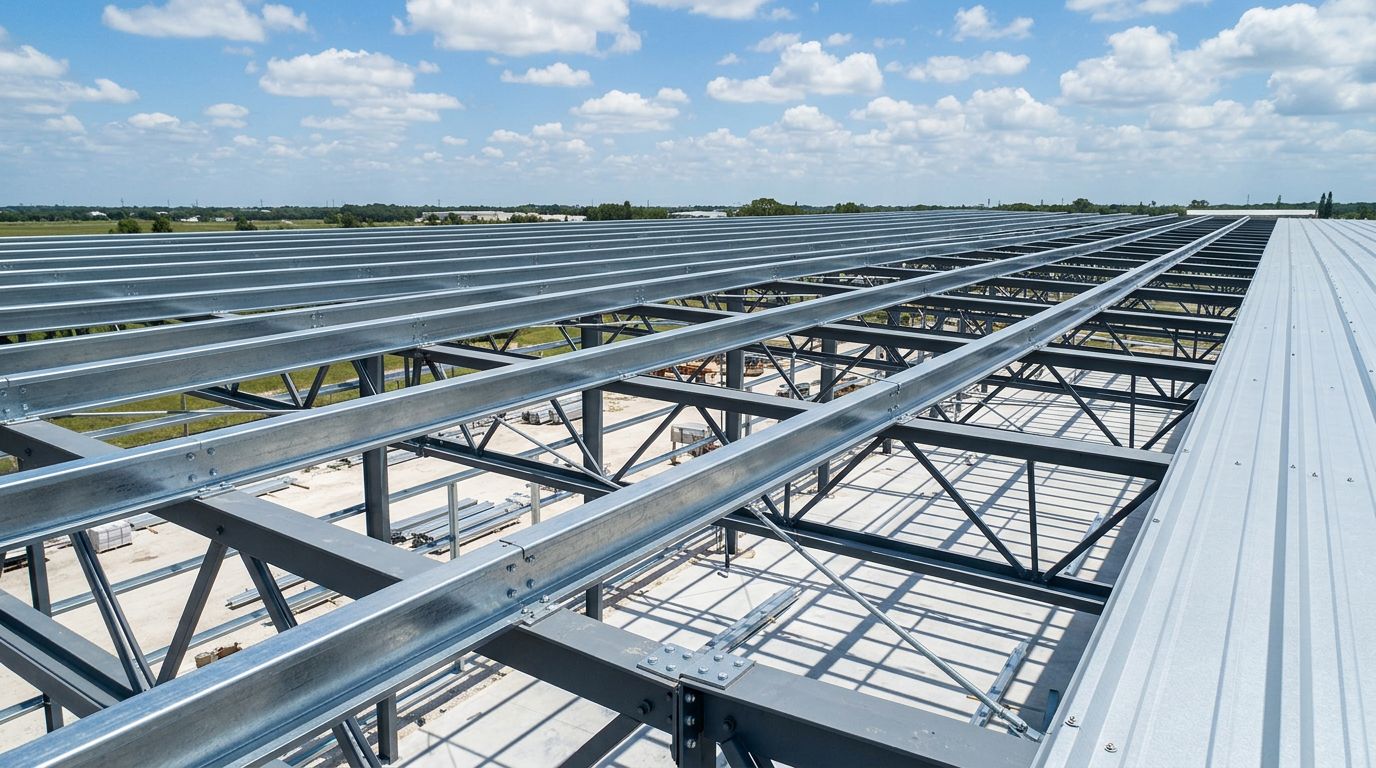
A roof with an existing deck deserves particular care. Its material and condition may differ from what the approval assumes. For agricultural or utility buildings, verify whether the proposed assembly permits the planned purlin spacing rather than borrowing a detail for a solid deck.
Follow the complete attachment schedule
Check the fastener type, size, length, and location. For standing seam, verify clips and clip spacing. Then review approved details for eaves, rakes, ridges, closures, and penetrations. Those details affect what the contractor orders and installs.
Roof zones can have different design pressures. A field-of-roof attachment pattern may not suit an edge or corner. The Florida HVHZ metal roofing requirements guide adds context for projects where the location changes the available approval options.
Similar panel names can hide different approvals
A profile name is a starting point, not a project specification. Florida metal roofing approvals can vary within one product family according to gauge, substrate, attachment, and location.
Compare the gauge and approved use
Mid Florida Metal Roofing Supply lists different approval coverage for its panel lines. Its PBR and R panel options describe 26-gauge non-HVHZ and 24-gauge HVHZ roof and wall applications. That distinction is a reason to request the current approval for the exact panel on the quote, not proof that either version fits every project.
The supplier's Ag/Multi-Rib information identifies 26- and 29-gauge non-HVHZ roof and wall options with specified support conditions. Its 5V information describes a 26-gauge crimped option for particular HVHZ and non-HVHZ applications. Compare the current records and installation drawings before treating these product-page descriptions as permit documentation.
Keep material records in their proper role
A mill certification can help identify steel properties or coating details for material supplied to the job. It doesn't replace a roof-system approval or prove that the fastener schedule meets the design pressure.
If a material record accompanies the order, match it to the specified panel and approved assembly. The guide on how to read a metal roofing mill certification explains what that document can verify.
When a field pullout test helps
Laboratory approvals describe tested assemblies. A field pullout test answers a narrower site question: how a selected fastener performs in the substrate tested at that building. It may be useful when an existing deck is uncertain, a fastening change is proposed, or a designer requests site-specific information.
A useful report identifies the building and roof area, test locations and date, substrate condition, fastener manufacturer and size, embedment, equipment calibration, and measured results. It should explain how the findings relate to the proposed assembly and project wind demand. There's no universal passing pullout number for every metal roof.
Ask the project engineer or building official what testing and sign-off they require before work begins. Some project specifications may call for a report signed by a Professional Engineer or Registered Roof Consultant. Keep the completed report with the permit and roof records.
Assemble a permit-ready document package
Before ordering custom-length panels or trim, collect the current approval or applicable NOA, its installation instructions, the proposed panel specification, and the roof plans. Identify the selected assembly option on the documents. A reviewer shouldn't have to guess which of several attachment schedules the contractor intends to use.
Then compare the plans with the approval one last time. Confirm roof slope, deck or support conditions, panel gauge, fasteners, spacing, edge details, and design pressures. If a detail doesn't match, resolve it with the supplier, contractor, and design professional before fabrication or installation.
For a practical document list, use the Florida metal roofing submittal checklist. Keep the final approved documents with the job records so a later repair crew can identify the system already on the roof.
Key takeaways
- An FL number or Miami-Dade NOA identifies a documented product or system, not permission to change its installation details.
- Read test results alongside the specimen description and the approval's allowable design pressure.
- Match the proposed panel, substrate, attachment schedule, roof zones, and location to the approved conditions.
- Resolve discrepancies before ordering materials; a field test or mill certificate doesn't automatically replace a product approval.
Frequently asked questions
Does a Florida Product Approval replace a Miami-Dade NOA?
They're separate approval routes. Whether a particular record is appropriate depends on its scope, the building location, and the permit requirements. For an HVHZ project, check the record's stated applicability and confirm the accepted documentation with the local building department.
Is the highest pressure in a test report my roof's wind rating?
Not necessarily. A reported test pressure and an allowable design pressure can mean different things. Use the value assigned to the exact assembly in the approval documents, then have it compared with the project's required pressures.
Can my contractor use a different screw or wider spacing?
Don't assume so, even if the substitute looks stronger. Fastener specifications and spacing are part of the approved installation. Have the proposed change reviewed against the approval and project design before the crew installs it.
Conclusion
The safest way to read metal roof paperwork is to follow the whole assembly , not the headline test number or panel name. The approved product, supporting surface, attachment details, and site conditions need to agree.
That comparison gives homeowners a clearer bid and gives contractors a roof they can order, document, and install as specified.
Share Our Metal Roofing News Articles
Related Posts