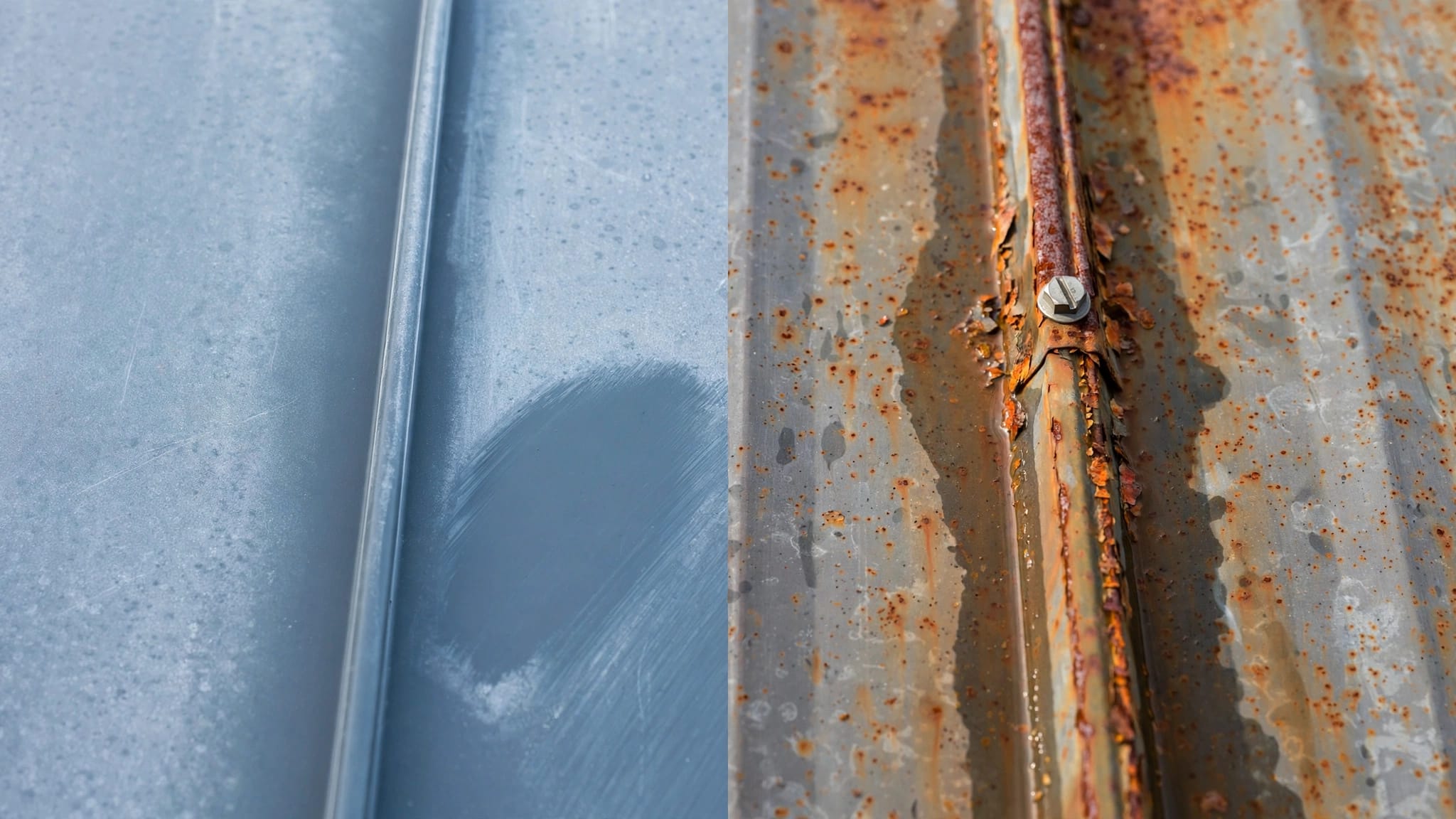
Florida Notice of Commencement Requirements for Commercial Roofing Projects
A commercial roof replacement can involve a property owner, general contractor, roofing contractor, metal panel supplier, lender, inspector, and several subcontractors. The Florida Notice of Commencement helps connect those parties to the payment and lien rights attached to a private construction project.
For commercial roofing, timing matters as much as the form itself. The owner must record and post the notice, the contractor must coordinate inspections and project documents, and suppliers need accurate job information before panels, trim, and accessories reach the site. Requirements should always be checked against current Florida law, county recording practices, and the actual contract documents.
Key Takeaways for Florida Commercial Roofing Projects
- For most private improvements, the owner or authorized agent records the Notice of Commencement before work begins.
- A certified recorded copy, or a notarized statement with a copy, must be posted at the job site.
- The notice generally becomes void if the improvement does not begin within 90 days after recording.
- The usual effective period is one year, unless the notice states a longer period because the contract lasts more than one year.
- A payment bond does not automatically remove the need for a Notice of Commencement.
- For a permit applicant, the issuing authority generally requires the notice before the first inspection when the direct contract exceeds $5,000.
- The notice is separate from the building permit, lien releases, Notice to Owner, Florida Product Approval, and Miami-Dade Notice of Acceptance.
A missed deadline can affect payment rights and create confusion during inspections, draw requests, and final payment. The safest approach is to treat the notice as part of the commercial roofing project schedule, not as a last-minute permit attachment.
When a Florida Notice of Commencement Is Required
Florida Statutes Chapter 713, Part I governs construction lien rights for many private improvements. Section 713.13 generally requires the owner or the owner's authorized agent to record a Notice of Commencement before actual construction begins. The same timing applies when work resumes after a default or abandonment.
A commercial reroof usually involves more than replacing visible panels. The scope may include tear-off, deck repairs, insulation, underlayment, flashing, curbs, edge metal, rooftop equipment work, and inspections. The owner should identify the improvement clearly enough that the notice matches the permitted project and contract scope.
Who records and posts the notice
The property owner normally handles the Notice of Commencement. An authorized agent may record it when the owner gives that person authority to act. A general contractor or roofing contractor should not assume that preparing the form means the owner has properly recorded it.
After recording, the owner or agent must post a certified copy at the site, or post a notarized statement that includes the recording information and a copy of the notice. For a large warehouse, office building, shopping center, or industrial facility, the copy should be placed where workers, suppliers, and inspectors can reasonably find it.
Posting and recording are separate duties. A notice recorded with the county but never posted at the project site may create problems even if the form contains accurate information.
Private commercial work versus exempt work
The statutory rule does not mean every construction activity in Florida requires a Notice of Commencement. Section 713.13 refers to improvements exempt under section 713.02(5), so the project type must be reviewed before relying on a general rule.
Public construction also follows a different payment-security framework. A public roofing project may involve public construction bonds and agency-specific procedures rather than the private-property Notice of Commencement process. The owner, contractor, and surety should identify the project type before using a private-project form.
What Information Belongs on the Notice
An incomplete notice can create problems when a supplier, subcontractor, or lienor searches the public records. Commercial roofing documents should use the legal property information and names found in the contract, permit application, title records, and lender documents.
The required information generally includes:
- The legal description of the property
- The street address and tax folio number, when available
- A description of the improvement
- The owner's name, address, and interest in the property
- The fee-simple titleholder, if that person differs from the owner
- The contractor's name and address
- The payment-bond surety and bond amount, if a payment bond exists
- The construction lender's name and address
- A designated Florida person, other than the owner, for receiving notices
A description such as "commercial roofing work" may be too vague for a complex project. The documents may need to identify a reroof, roof replacement, new building construction, or other improvement tied to the property. The form should remain consistent with the construction contract and permit scope.
Leasehold projects need extra attention
A tenant may arrange a commercial roof replacement under a lease. When a lessee contracts for the work, the lessee must be identified as the owner for Notice of Commencement purposes, with the leasehold interest stated.
The fee-simple owner should still be identified when the required information calls for a different titleholder. This matters for shopping centers, leased warehouses, medical offices, and other properties where the tenant, landlord, lender, and contractor all appear in separate agreements.
The designated notice recipient
The notice must identify a Florida person other than the owner who is designated to receive copies of notices. This person may be an attorney, construction manager, or another authorized representative, depending on the project arrangement.
Use a person and address that will remain active throughout the job. If the project manager changes, the notice may need an amendment. A forgotten mail recipient can delay important documents and complicate a payment dispute.
Deadlines That Affect a Commercial Roof
The Notice of Commencement has several separate deadlines. Recording before work begins, posting before the first inspection, starting within 90 days, and tracking the one-year period are different tasks.
Record before physical work begins
The owner should record the notice before the roofing crew starts construction. That includes work such as tear-off, deck replacement, installation of underlayment, panel installation, or other physical improvement work.
Material delivery alone may not be the same as construction activity, but the project team should not use delivery timing as a reason to postpone recording. A commercial supplier may also request job information or a recorded notice to owner under its own sales and credit procedures. That supplier paperwork does not replace the owner's statutory Notice of Commencement.
Start within 90 days
A Notice of Commencement becomes void if the improvement does not begin within 90 days after the notice is recorded. This can affect projects delayed by design revisions, financing, product availability, tenant changes, or permit issues.
If a commercial roof is not ready to start within that period, the owner and construction counsel should review whether a new notice is needed. Do not assume that an old notice remains effective because the contract was signed or materials were ordered.
Track the one-year period
The notice generally remains effective for one year after recording. When the contract completion period exceeds one year, the notice must state that it lasts one year plus the additional period stated in the notice.
A long commercial roofing project may involve phased work, multiple buildings, structural repairs, or extended equipment coordination. The contract schedule and Notice of Commencement should be reviewed together. An amendment may be available during the effective period, but it should not be used casually to correct a notice after rights have already become disputed.
The $5,000 first-inspection rule
For a permit applicant, the issuing authority must require the Notice of Commencement before the first inspection when the direct contract exceeds $5,000. This is a permit and inspection rule, not a statement that every Notice of Commencement is required only above $5,000.
The permit card also contains a statutory warning in at least 14-point capitalized bold type. It warns the owner that failing to record a Notice of Commencement may lead to paying twice for improvements and advises consulting a lender or attorney before recording when financing is involved.
Payment Bonds, Lien Rights, and Final Payment
A payment bond changes the payment-security structure, but it does not automatically eliminate the Notice of Commencement. When a bond is used, the notice must identify the surety and the bond amount. Section 713.23 also contains requirements for the bond, including recording or attaching the required bond information and maintaining an amount tied to the original contract price.
The general contractor should confirm that the bond information on the notice matches the executed bond. A wrong surety name, incorrect amount, or missing attachment can create avoidable disputes.
Keep the payment file organized
Commercial roofing payment records should include the contract, approved change orders, invoices, delivery tickets, inspection approvals, lien releases, and communications about disputed work. The owner should not rely on the Notice of Commencement as proof that every subcontractor or supplier has been paid.
Before final payment, Florida's construction lien framework addresses contractor affidavits and releases. A final payment package may include an affidavit stating that relevant bills have been paid or identifying unpaid parties, along with releases collected through the payment process.
Miami-Dade County forms illustrate a final release and affidavit practice, but that form should not be treated as the exact statewide requirement for every project. The contract, lender instructions, local procedures, and current law may impose additional requirements.
Keep roofing documentation separate
The Notice of Commencement does not prove that the selected metal roof complies with the Florida Building Code. Product approvals, installation instructions, engineering information, wind criteria, and inspection records remain separate project documents.
Before ordering panels, contractors should review a Florida metal roofing submittal checklist. The selected panel, fasteners, trim, substrate, attachment method, and wind-pressure limits must match the approved assembly.
Amendments and Notice of Termination
Project information can change during a commercial roof installation. Florida law allows an owner to amend a Notice of Commencement during its effective period for purposes such as adding information, changing the payment-bond amount, changing the designated notice recipient, or extending the effective period.
When an amendment may help
An amendment may be appropriate when the lender changes, the payment bond is modified, the project schedule extends, or the designated recipient is no longer available. The project team should review whether the amendment must be recorded and posted in the same manner as the original notice.
An amendment does not erase earlier errors or automatically solve a payment dispute. Keep the original notice, amendment, recording data, and posted copy together in the project file.
Termination is not a routine closeout form
Only the owner may record a Notice of Termination. The termination must identify the original Notice of Commencement and the property or portion of the property covered by it.
The effective date cannot be earlier than 30 days after recording. The notice must also address whether lienors have been paid in full and whether the required service has been made on direct-contract lienors and lienors who timely served a Notice to Owner.
Do not terminate the notice merely because the roofing crew has left the site. Confirm final payments, releases, affidavits, pending change orders, warranty work, and unpaid suppliers first.
Coordinating the Notice With Metal Roofing Documents
A commercial roof file works best when legal, permit, purchasing, and installation records use the same project name and property information. The owner and contractor should compare the Notice of Commencement with the permit, contract, schedule of values, product submittal, and material order.
A permit checklist may include the scope, roof measurements, panel profile, deck type, attachment method, underlayment, engineering, and inspection requirements. The Florida metal roof permit checklist can help organize those items, but it does not replace county review or legal advice.
Florida Product Approval and Miami-Dade NOA documents are also separate from the Notice of Commencement. Projects in Miami-Dade or Broward may fall within the High-Velocity Hurricane Zone and may require stricter tested assemblies. Review Florida Product Approval for metal roofing before selecting a panel system.
For example, Mid Florida Metal Roofing Supply identifies Florida Product Approval information for certain PBR and R panel configurations, including 26-gauge non-HVHZ applications and 24-gauge HVHZ applications. The exact approved assembly and project conditions still control. A panel profile by itself does not establish compliance.
FAQ About Florida Commercial Roofing Notices
Does the roofing contractor record the notice?
Usually, the owner or the owner's authorized agent records the Notice of Commencement. A contractor may prepare information or provide a form, but the owner should confirm recording and posting.
Is a Notice of Commencement the same as a Notice to Owner?
No. They serve different purposes. The owner records and posts the Notice of Commencement. A lienor may serve a Notice to Owner to preserve certain lien rights and identify its involvement in the project.
Does a payment bond remove the need for the notice?
No. A bonded private project may still require a Notice of Commencement. The notice should identify the surety and bond amount, and the bond must satisfy applicable statutory requirements.
Must the notice be recorded before the first inspection?
For a permit applicant whose direct contract exceeds $5,000, the issuing authority must require it before the first inspection. The broader project rule is to record before actual construction begins and post the notice at the site.
What should a supplier check before releasing metal panels?
The supplier should have the correct property address, project contact, delivery location, panel profile, gauge, color, trim details, and job information. The contractor should also confirm that the product documents match the permitted assembly. The Notice of Commencement supports project identification, but it does not replace a purchase order, permit, product approval, or installation specification.
Conclusion
A Florida Notice of Commencement is one part of a commercial roofing project's control system. Record it before construction, post it at the site, track the 90-day start rule and effective period, and keep its information consistent with the contract, permit, bond, and project records.
The notice also has limits. It does not replace a Notice to Owner, payment release, building permit, Florida Product Approval, Miami-Dade NOA, or final inspection record. Verify current Florida law, local procedures, lender requirements, and the specific commercial roofing documents before work begins.
Share Our Metal Roofing News Articles
Related Posts