Metal Roofing Delivery Checklist: Inspect Before Install
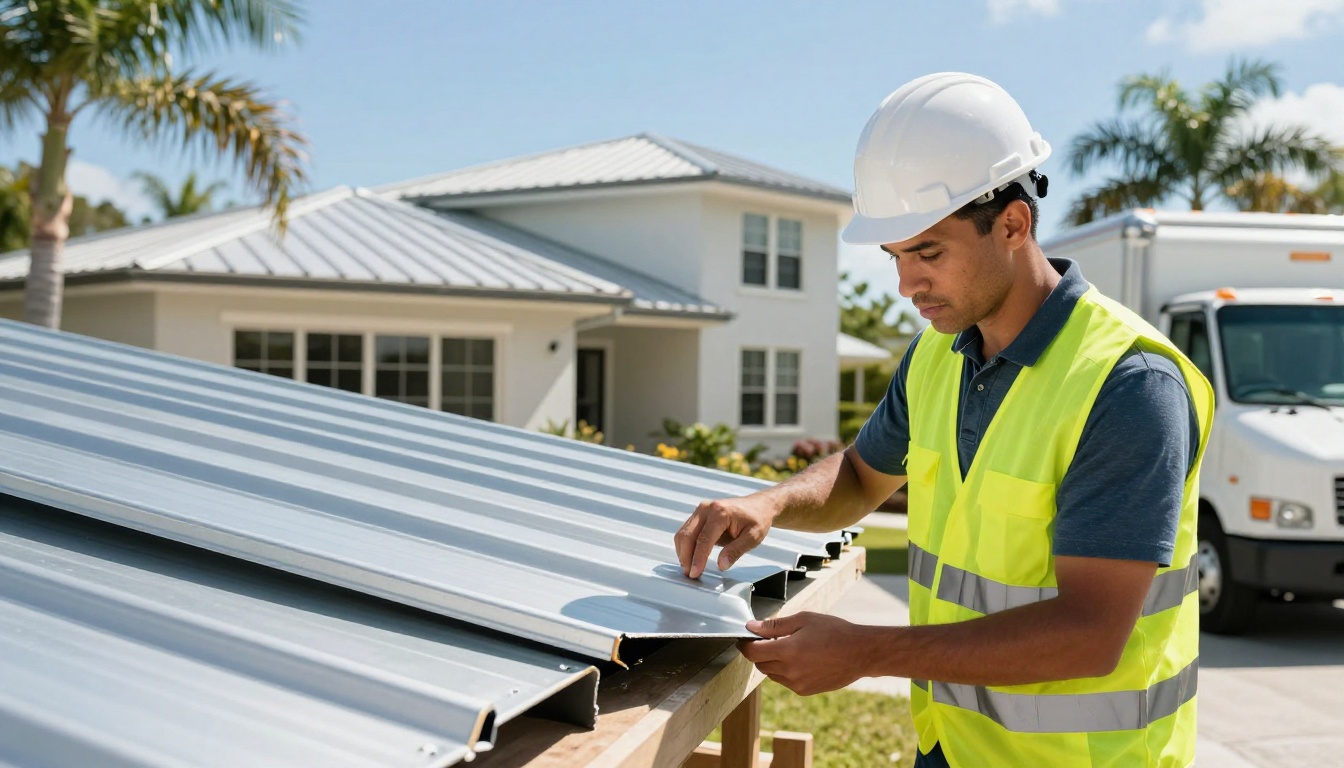
You've waited weeks for your metal roofing panels to arrive. The truck pulls up, and everything looks fine at first glance. But one overlooked dent or missing trim piece can halt your Florida project for days, especially with rain in the forecast.
Homeowners and contractors know delays cost money and frustration. A quick inspection catches issues early, so you avoid using flawed materials or chasing shortages mid-install. This guide walks you through a simple metal roofing delivery checklist to protect your investment.
Follow these steps right after delivery. You'll save time and ensure your roof goes up smooth.
Why Check Your Delivery the Moment It Arrives
Delays happen in roofing. Suppliers ship fast, but transit bumps panels or trim. Florida's humidity adds risks like condensation spots if bundles sit wet.
Inspect immediately because once crews start, fixes get messy. You can't unbolt a damaged panel easily. Plus, suppliers often require photos and notes within 24 hours for claims.
Most issues stem from handling, not manufacturing. Straps dig into edges. Forklifts drop loads. Early checks let you note problems on the bill of lading before the driver leaves.
In short, this habit prevents callbacks. It also builds trust with your supplier. Next, grab what you need to do it right.
Prepare Tools and People for a Thorough Check
Start organized. Round up two people if possible, one to hold lists and snap photos, the other to handle materials.
You'll need basic tools: tape measure, flashlight, notepad, phone camera, gloves, and pry bar for bundles. Print your order details beforehand, including panel counts, lengths, gauges, colors, and trim specs.
Compare against your invoice. For Florida jobs, confirm Florida-approved profiles like PBR or standing seam match what you ordered. Check accessories too, such as fasteners and sealants rated for coastal winds.
Safety first. Wear gloves to avoid cuts from sharp edges. Work in daylight if you can. With prep done, dive into the checklist.
Run This Metal Roofing Delivery Checklist Step by Step
Unloading reveals the real story. Follow this sequence every time. It covers panels, trim, and extras.
First, verify quantities outside bundles. Count crates and pallets against the manifest. Note any shortages right away.
Open bundles carefully. Cut straps with bolt cutters, not knives that nick panels. Lift covers straight up to spot water inside.
Inspect Panels Closely
Lay panels flat on clean ground. Check each for straightness by sighting down the length. Warps over 1/4 inch matter because they won't lay flat on your roof.
Run your hand along ribs and flats. Feel for dents, scratches, or burrs. Look at cut ends for sharp burrs or uneven cuts.
Measure coverage width and length. Panels often shrink slightly from factory specs. For example, a 36-inch PBR might measure 35.5 inches; that's normal, but confirm totals match your step-by-step roof takeoff example.
Gauge thickness with a micrometer if you have one. Florida codes demand specific gauges for wind loads.
Spot rust or white stains, common in humid shipments. These spread fast here, so flag them.
Examine Trim and Flashings
Trim bends easily in transit. Unpack and straighten gently. Check for kinks in ridge caps or valleys.
Match colors exactly to panels. Florida sun fades mismatches fast. Measure lengths; custom pieces up to 21 feet should arrive precise.
Inspect ends for crimps or bends. Valleys need clean weaves to shed heavy rain.
Review Accessories and Fasteners
Count screws, closures, and sealants. Open a few boxes to check for rust on screws, vital in salty air.
Verify underlayment rolls for tears. Test sealants; they should squeeze smooth, not harden.
Use this quick table for common items:
| Item Type | Key Check Points | Florida Tip |
|---|---|---|
| Panels | Dents, straightness, gauge | No condensation stains |
| Trim/Flashing | Bends, color match, lengths | Clean ends for rain shedding |
| Fasteners | Count, no rust | Coastal-rated coatings |
| Sealants | Fresh, no hardening | UV and wind-resistant |
This covers 90% of orders. Total panels and trim now. Short 5%? Note it.
Identify Damage That Kills Installs
Not all marks hurt performance. Light handling scuffs often buff out. But deeper issues do.
Dents deeper than 1/16 inch weaken spans. They oil-can under wind, popping noise in storms.
Edge damage from straps shows as creases. These leak at overlaps. Coating chips expose steel to rust.
Bent ribs won't seal. Measure gaps; over 1/8 inch fails.
Short panels force splices, bad in valleys. Document with close-up photos, timestamps, and measurements. Note serial numbers if panels have them.
Common Florida gotcha: wet storage stain from rain en route. It looks like white powder but wipes off clean sometimes. Still, reject if widespread.
Panels don't fail on roofs first. Ground handling causes most defects.
If in doubt, set aside suspect pieces.
Handle Problems and Contact Suppliers Fast
Found issues? Don't unload everything. Tell the driver now. Sign the bill with notes like "2 damaged panels, photoed."
Take 20+ photos: full truck, open bundles, defects up close, measurements. Email them same day.
Call your supplier within hours. Mid Florida Metal Roofing Supply, for instance, resolves claims quick with proof. Reference your step-by-step metal roof material ordering guide for order details.
They might send replacements next day or credit. Never install damaged goods; warranties void.
For big shortages, pause unload. Reschedule if needed. Better safe than scrambling.
Store Materials Right Until Install Day
Good news: passed inspection. Now protect them. Florida weather turns dry stacks wet overnight.
Follow our panel storage and handling guide for Florida job sites. Elevate bundles 6 inches on dunnage. Cover with ventilated tarps, ends open.
Stack single high if possible. Secure for wind. Inside storage beats outdoors.
Prep your site too. Clear space near the roof edge. This cuts handling later.
Your metal roofing delivery checklist keeps projects on track. Spot issues early, document smart, and store safe.
Next time a truck rolls in, run these steps. You'll finish faster with zero surprises. Got a recent delivery story? Share in comments below.
(Word count: 982)
Share Our Metal Roofing News Articles
Related Posts