Metal Roof Sealant Shelf Life in Florida Heat
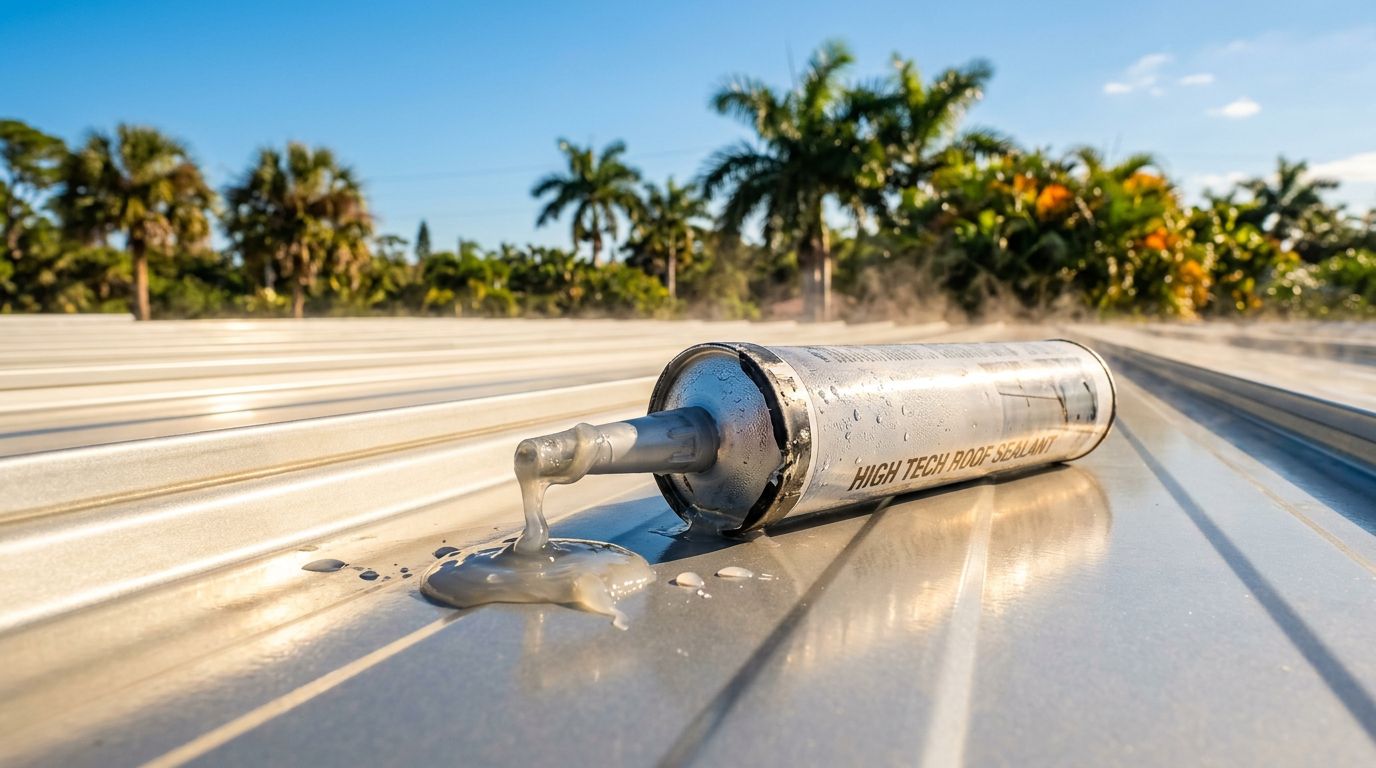
Florida heat can turn a decent tube of sealant into a trouble spot faster than many people expect. A product that looked fine in spring may behave very differently after a few months in a hot garage, truck bed, or supply shed.
When people talk about metal roof sealant shelf life , they usually mean the date on the package. In Florida, that date is only part of the story. The sealant type, the manufacturer, the storage conditions, and how much heat and moisture it saw all affect how well it will perform.
That matters on metal roofs, where a small failure can lead to a leak, rust, or a callback. A little attention before you open the tube can save a lot of cleanup later.
What shelf life really means for roof sealant
Shelf life is the period when a sealant should still meet the maker's performance claim, as long as it was stored the right way. For some products, that clock starts when the tube leaves the plant. For others, the date code, batch number, or technical sheet gives you the real guide.
The important part is this, shelf life varies by sealant type and manufacturer. A butyl product, a silicone, a polyurethane, or a hybrid formula may each age in a different way. That is why two tubes on the same shelf can have very different useful lives.
If you're sorting out seam materials, butyl tape versus tube sealant for roofing is a useful comparison because the product form changes both storage and performance.
A product can also seem fine before opening and still be past its best days. Heat, sunlight, and moisture can all affect the contents inside the package. That is why the date on the box is only one clue, not the whole answer.
Why Florida heat shortens sealant life
Florida gives sealant a rough workout. Daytime heat expands the tube, the air inside, and the product itself. At night, the temperature drops, and the material contracts again. That repeated heat cycling puts stress on the container and the sealant inside.
Direct sun makes things worse. A tube left in the open can get hot enough to soften, thicken, or skin over faster than expected. On a roof, exposed sealant can also cure too quickly on the surface while the inside stays soft. That leads to a weak bead.
Humidity and moisture matter too. Florida air carries plenty of water, and storage areas often trap it. A damp shed, a leaky trailer, or a garage with poor airflow can all shorten useful life. Moisture can also get into partially used containers, which changes the texture and makes the product harder to trust.
A tube can stay sealed and still age fast if it spends months in a hot shed or truck.
Improper storage is another big factor. A tube left in a truck cab, a trailer, or an attic may see extreme swings in temperature. Those swings can separate the ingredients or make the sealant cure unevenly later.
For roof openings and exposed details, the same heat issues show up in how the material performs after application. Flashing and sealant guidelines for metal roofs show why sealant should support the detail, not carry the whole load.
Signs a tube or pail has gone bad
Expired or compromised sealant does not always look obvious at first. Still, the warning signs are easy to spot once you know what to watch for.
| Sign | What you may see | What it suggests |
|---|---|---|
| Separation | Liquid on top, thick material below | The mix has broken down |
| Hardening | Stiff or crusty sealant | It may not dispense or cure right |
| Skinning | Dry film at the nozzle or surface | Air and heat have started curing it |
| Clumping | Lumps, graininess, or uneven texture | Age or contamination has affected it |
| Unusual odor | Sour, sharp, or "off" smell | The product may be out of spec |
| Poor adhesion | Bead pulls away from clean metal | Bond strength is not reliable |
| Difficulty dispensing | Trigger is hard, flow is uneven | The sealant has thickened or started curing |
If you see one small issue, test with care on a noncritical area first. If you see two or more, replace the product. On a roof repair, guessing is expensive.
Poor adhesion matters most. A bead that looks smooth but lifts off clean metal is not doing its job. That can happen when the product has aged, been overheated, or sat open too long.
How to store unopened sealant in Florida heat
Unopened sealant lasts longer when storage is calm, cool, and dry. In Florida, that usually means a space inside the conditioned part of a building, not a hot truck or sunny garage.
Here are the habits that help most:
- Keep cartridges and pails in their original boxes.
- Store them upright, with caps tight and no weight on the nozzle.
- Keep them away from direct sun, attic heat, and damp concrete.
- Rotate stock so the oldest material gets used first.
- Check the date code or shelf-life window before the job starts.
If the label gives a storage temperature range, stay inside it. That range matters more in Florida than in milder climates. A sealed tube that bakes in a trailer for weeks may still look normal, but it may not perform like fresh product.
Boxes help more than people think. They block light, limit dust, and reduce temperature swings a bit. That small buffer can buy you a better shelf life.
Handling partially used sealant without wasting it
Once a tube has been opened, the clock moves faster. Air gets in, the nozzle can skin over, and the remaining material may start to cure from the tip back.
The best habit is simple. Cap it fast, store it upright, and mark the date you opened it. If the product came with a nozzle cap, use it. If not, a snug replacement cap or plug is better than leaving the opening exposed.
A few more habits help:
- Wipe the nozzle and threads clean before sealing it.
- Keep the tube in a shaded, dry spot between uses.
- Do not leave it in a hot vehicle overnight.
- Do not thin the product unless the manufacturer allows it.
- Use leftover sealant on noncritical spots only if it still flows smoothly.
For critical seams, a fresh tube is usually the safer choice. A saved few dollars on old material can cost more later if the joint fails. That is especially true on exposed roof details where wind and sun hit the bead hard.
If a partially used tube fights the gun, or if the bead comes out lumpy, toss it. Once the texture changes, the risk goes up fast.
Read the label before the job starts
The product label and technical data sheet are the final word. They tell you the storage range, the shelf-life window, the cure time, and any warning about opened containers. They also tell you whether the product is meant for exposed seams, hidden laps, or another use.
That is why the right product choice matters as much as the storage choice. Some sealants handle Florida sun better than others. Some are built for compression joints, while others work better as an exposed bead. If you're comparing those options, butyl tape versus tube sealant for roofing is a smart place to start.
Before you apply anything, read the label, check the lot code, and inspect the tube or pail. That quick habit catches a lot of problems before they reach the roof.
Conclusion
Florida heat shortens sealant life by heat cycling, direct sun, moisture, and rough storage. That means the date on the package matters, but the way the product was stored matters just as much.
If a sealant shows separation, hardening, skinning, clumping, an odd odor, poor adhesion, or hard-to-dispense flow, replace it. On a metal roof, fresh material is far easier to trust than a product that has already been stressed by the weather.
Share Our Metal Roofing News Articles
Related Posts