Metal Roof Kickout Flashing Guide for Florida Stucco Walls
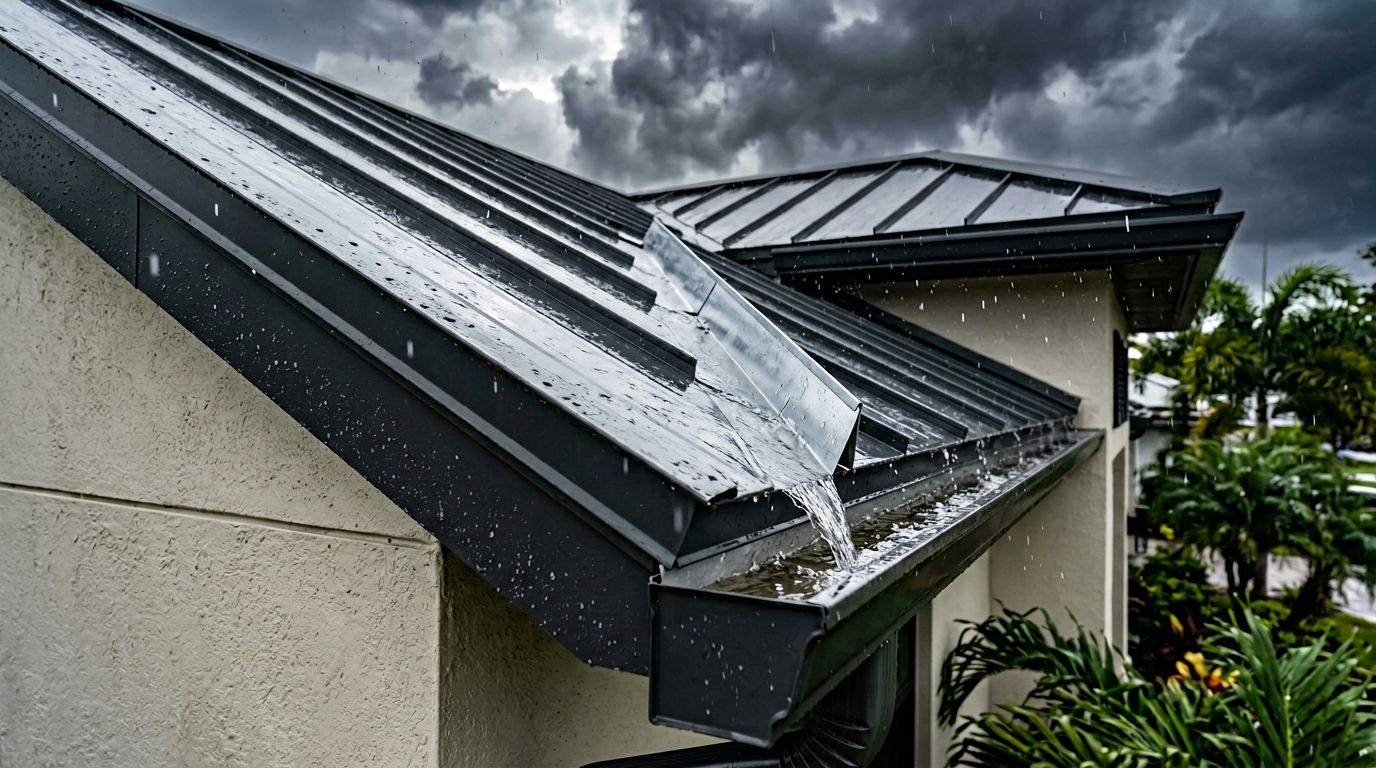
Florida storms dump rain sideways. Water races down your metal roof and slams into stucco walls. Without proper metal roof kickout flashing , it soaks behind the stucco. That leads to rot, mold, and costly repairs.
Homeowners see stains first. Contractors spot the real issue during inspections. Kickout flashing diverts water into gutters. It saves your walls from hidden damage.
This guide covers installation, code rules, and fixes. You'll learn best practices for Florida's tough weather.
What Kickout Flashing Does on Metal Roofs
Kickout flashing sits at the bottom of a roof-to-wall joint. It bends outward like a spout. Water hits it and kicks into the gutter, not down the wall.
On metal roofs, panels shed water fast. But at walls, runoff pools without a diverter. Stucco soaks it up because it's porous. Over time, moisture traps inside the wall assembly.
Compare that to asphalt shingles. Shingles need step flashing along the whole wall. Metal roofs use continuous base flashing with a kickout at the end. This setup works better in wind-driven rain.
Florida heat makes metal expand. Poor kickouts trap water during contraction. Result? Leaks show up months later.
Inspectors check these spots closely. A missing kickout fails code and invites claims.
Florida Code Rules You Need to Know
Florida's 9th Edition Building Code requires flashing at all roof-wall intersections. Kickout or diverter flashing goes where roof planes meet walls. It directs water away from joints.
Use corrosion-resistant materials like 26-gauge galvanized steel or 0.019-inch aluminum. Follow metal roof panel instructions too. Local building departments enforce this, so check your AHJ.
No major changes hit in 2026. But ties to underlayment got stricter for high-wind zones. In Miami-Dade or Broward, expect tighter fastening.
Stucco walls add rules. Tuck flashing behind the water-resistive barrier. Counterflash the top edge into a reglet. Sealants support, but don't rely on them alone.
For more on metal roof sidewall flashing guide that ties into kickouts, see our detailed post.
Step-by-Step Installation Basics
Start with underlayment. Lap it over the roof deck and up the wall four inches. Cut a slot for the flashing base.
Fit the kickout against the wall. Nail or screw it to the deck, keeping fasteners out of water paths. The vertical leg goes four to six inches up the wall.
Bend the kickout lip one to two inches outward. It should clear the gutter lip. Press butyl tape under overlaps for a seal.
Integrate with step or base flashing above. Lap shingle-style so water sheds down. For stucco, embed counterflashing in the wall finish.
Test with a hose after. Watch for drips at the joint. Dry time matters before stucco goes on.
Custom shapes fit odd angles. Check flashing profiles for options up to 21 feet.
Pick the Right Materials and Avoid Corrosion
Choose painted steel or Galvalume for inland jobs. Coastal spots need aluminum or stainless. Match the roof panels to prevent galvanic corrosion.
Dissimilar metals spark trouble. Aluminum flashing on steel roofs rusts fast in salt air. Use butyl tape as a separator.
Sealants stay flexible. Butyl or polyurethane beat silicone here. Apply in beads, not smears. UV breaks cheap caulk quick.
Fasteners get washered screws. Space them six inches at edges in wind zones. Skip nails; they back out.
Gutter interface counts. The kickout throws water over the back lip. Adjust for fascia height.
Spot Failure Points and Warning Signs
Missing kickouts dump water behind fascia. It wicks into stucco cracks. Damage hides for years.
Poor integration reverses laps. Water funnels inward. Fasteners in flow paths trap debris.
Here's a quick comparison of good versus bad setups:
| Detail | Good Practice | Bad Shortcut |
|---|---|---|
| Water Path | Kicks to gutter | Runs down wall |
| Underlayment | Lapped shingle-style | Tucked behind |
| Seal | Butyl tape support | Caulk only |
| Metals | Matched types | Mixed without barrier |
Warning signs include dark streaks on stucco. Peeling paint inside walls signals trouble. Attic mold or wet insulation confirms leaks.
For red flags like these, review metal roof flashing details that fail in Florida.
Retrofits limit options. You can't always tuck into old stucco. Snap-on diverters work over existing edges, but get permits.
Retrofit Tips for Older Roofs
Spot damage early. Stains below the joint mean act now.
Remove loose stucco at the base. Install a new kickout over the old edge. Seal with high-adhesion tape.
Full upgrades need roof access. Match code for 25% or more work. Pros handle reglets in masonry.
Limitations hit steep pitches or tight gutters. Custom trim solves most. Order early to avoid delays.
Inspect after storms. Binoculars spot loose pieces from ground level.
Wrap Up with Dry Walls in Mind
Metal roof kickout flashing keeps Florida stucco safe. It diverts water fast and meets code. Skip it, and repairs pile up.
Use right materials, lap correctly, and seal smart. Check your setup today.
Got questions on trim? Contact us for quotes. Stay dry out there.
Share Our Metal Roofing News Articles
Related Posts