Striated Vs. Flat Standing Seam Panels For Florida Homes
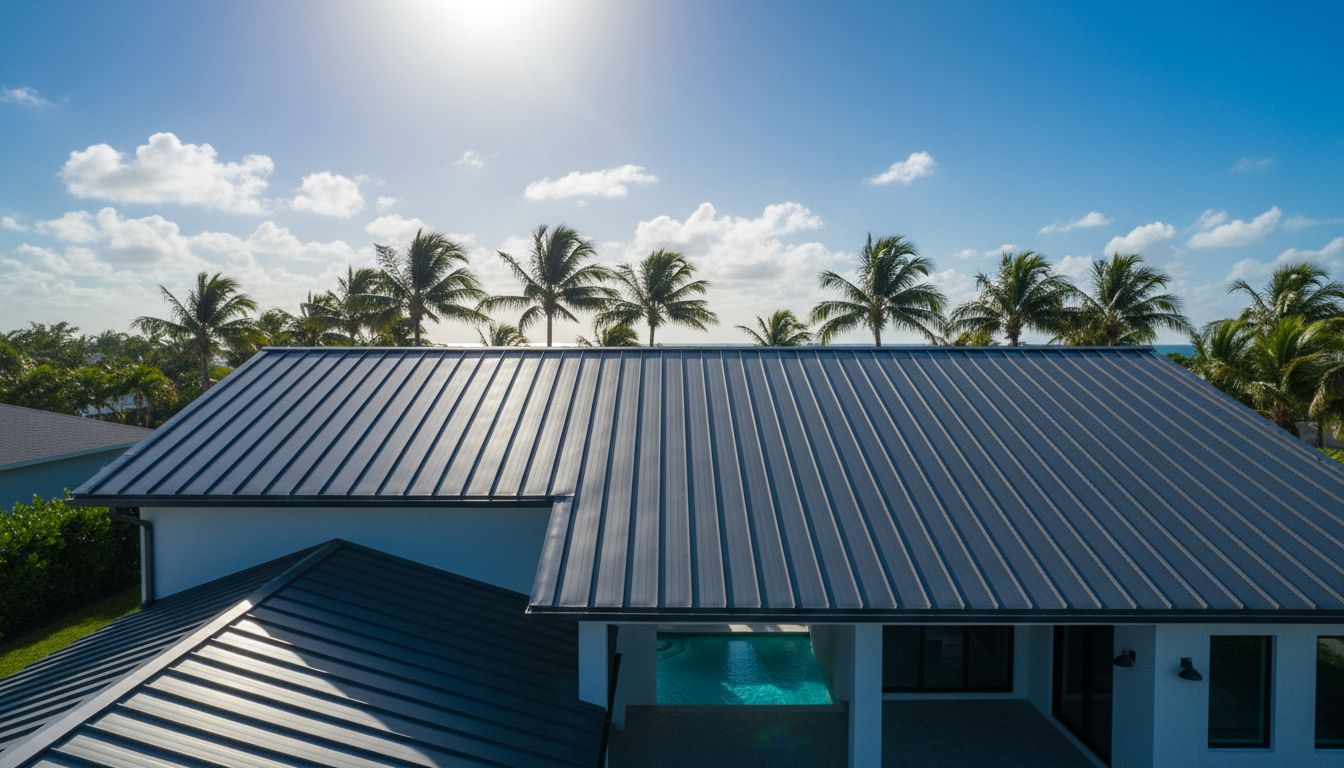
Florida's storms test every roof. You want one that stands up to hurricanes, heavy rain, and salty air without constant fixes. Standing seam panels offer a strong choice for homeowners here. They use hidden clips for a clean look and better wind hold.
These panels come in two main styles: flat and striated. Flat ones give a smooth finish. Striated panels add subtle lines for extra strength. Both work well in our climate, but small differences matter for your home.
Let's break down how they compare. You'll see which fits your needs.
What Makes Standing Seam Panels Tick
Standing seam panels lock together at raised edges. Clips hide under the seams. This setup sheds water fast and fights wind lift. Florida codes demand this for high-wind zones.
Panel profile alone won't set your wind rating, though. Engineers design the full system. Installation quality seals the deal. For example, check our standing seam clip spacing guide for Central Florida winds to match clips to your site's pressures.
Homeowners pick these panels for long life. They last 40 to 70 years with little upkeep. Colors stay bright under our sun.
Flat Standing Seam Panels: Sleek and Simple
Flat panels run smooth between seams. They suit modern homes with clean lines. You get a flat pan that reflects light evenly.
This style shines on hidden roofs or shaded spots. Thicker gauge helps here, around 24-gauge steel. It cuts flex from heat shifts.
However, flat surfaces show flaws more. Oil canning appears as waves from sun or wind stress. In Florida's heat, panels expand daily. That pulls the metal tight, then loose.
Installers stretch panels during setup to ease this. Still, flat panels demand perfect work. Otherwise, waves catch your eye from the street.
Striated Standing Seam Panels: Textured for Toughness
Striated panels add shallow grooves down the pan. These lines break up the flat look without much bulk. They mimic wood grain lightly.
The grooves add rigidity. Panels resist dents from hail or branches better. In gusts, they flutter less.
Oil canning hides well in striations. Florida's sun won't spotlight waves as much. You notice the texture first, not flaws.
Contractors like them for wider spans. The extra strength means fewer clips in low zones. Both types hit 140 mph winds with right setup, but striated forgives small install slips.
Oil Canning: The Big Visibility Battle
Oil canning bugs Florida roofs most. Heat makes metal oil-can, or wave. Flat panels spotlight it. Striations mask the ripples.
Think of it like pond water. Flat shows every ripple. Grooves blend them in.
In humid air, this matters. Sweat-like condensation adds stress. Striated wins for visible south-facing slopes.
Yet flat panels work fine with heavy coatings. Pick Galvalume or aluminum for coast homes. They fight rust too.
Hurricane Winds and Heavy Rain Performance
Hurricanes hit Florida hard. Winds peel at edges. Standing seam panels lock down tight. Seams block uplift.
Flat or striated, both handle 140 to 150 mph rated systems. Profile adds minor stability. Striated edges out with less middle lift.
Rain pours in sheets here. Raised seams channel it off fast. No exposed screws mean fewer leak paths.
Panels flex in gusts, but good clips hold. Zone clips tighter at corners. System tests prove this, not just looks.
Heat, Humidity, and Coastal Challenges
Our sun bakes roofs. Standing seam reflects heat, cuts AC bills 20 percent. Both types do this well.
Humidity breeds mold under bad roofs. These panels dry quick. Striated ones dent less from thermal pops.
Coastal salt corrodes fast. Use Kynar paints and thicker metal. Aluminum suits beaches best. Both profiles resist if coated right.
In 2026 codes, approvals stress full assemblies. No profile guarantees alone.
Pros and Cons Side by Side
Here's a quick look at trade-offs for Florida homes.
| Aspect | Flat Panels Pros | Flat Panels Cons | Striated Pros | Striated Cons |
|---|---|---|---|---|
| Looks | Ultra-sleek, modern | Shows oil canning easily | Hides flaws, uniform texture | Less minimalist |
| Strength | Good with thick gauge | More flex in wind/heat | Extra rigidity, dent-resistant | Slightly heavier feel |
| Install | Straightforward | Needs precision to avoid waves | Forgiving on spans | Minor extra roll time |
| Cost | Often cheaper | May need thicker metal | Balanced price for performance | Tiny upcharge |
| Florida Fit | Shaded roofs | Sunny exposures | Hurricanes, coasts, visible areas | Rare texture mismatch |
Striated pulls ahead for most homes. Flat suits budgets on low-exposure roofs.
See comparing standing seam vs other metal panels for broader options.
Picking the Right Panel for Your Roof
Match to your site. Coastal? Go striated aluminum. Inland modern? Flat might work.
Slope counts too. Steeper sheds rain better. Check advantages of standing seam metal roofing.
Get quotes with full specs. Pros review wind maps and approvals. Follow step-by-step standing seam panel installation basics.
Your roof protects family. Choose smart.
Standing seam panels beat shingles in Florida storms. Striated edges out for everyday resilience. They hide wear, add strength, and last decades.
Flat offers clean style if installed perfect. Either way, pair with right clips and coatings.
Pick what fits your home's exposure. You'll sleep better through the next blow.
Share Our Metal Roofing News Articles
Related Posts