PBR Panel Vs R Panel Differences For Florida Roofs And Walls
Picking metal panels in Florida can feel like choosing between two keys that look the same. They both fit the "ribbed panel" lock, but only one turns smoothly for certain jobs.
The short version of PBR vs R panel is simple: PBR has an added "bearing leg" at the sidelap that changes how the panel spans, fastens, and sheds water. That small shape difference matters a lot when you're roofing over open purlins, building in high-wind zones, or dealing with coastal salt.
Below is a practical, Florida-focused breakdown, with the real jobsite details that decide whether you'll be happy with the choice five hurricane seasons from now.
What's the real design difference between PBR and R panels?
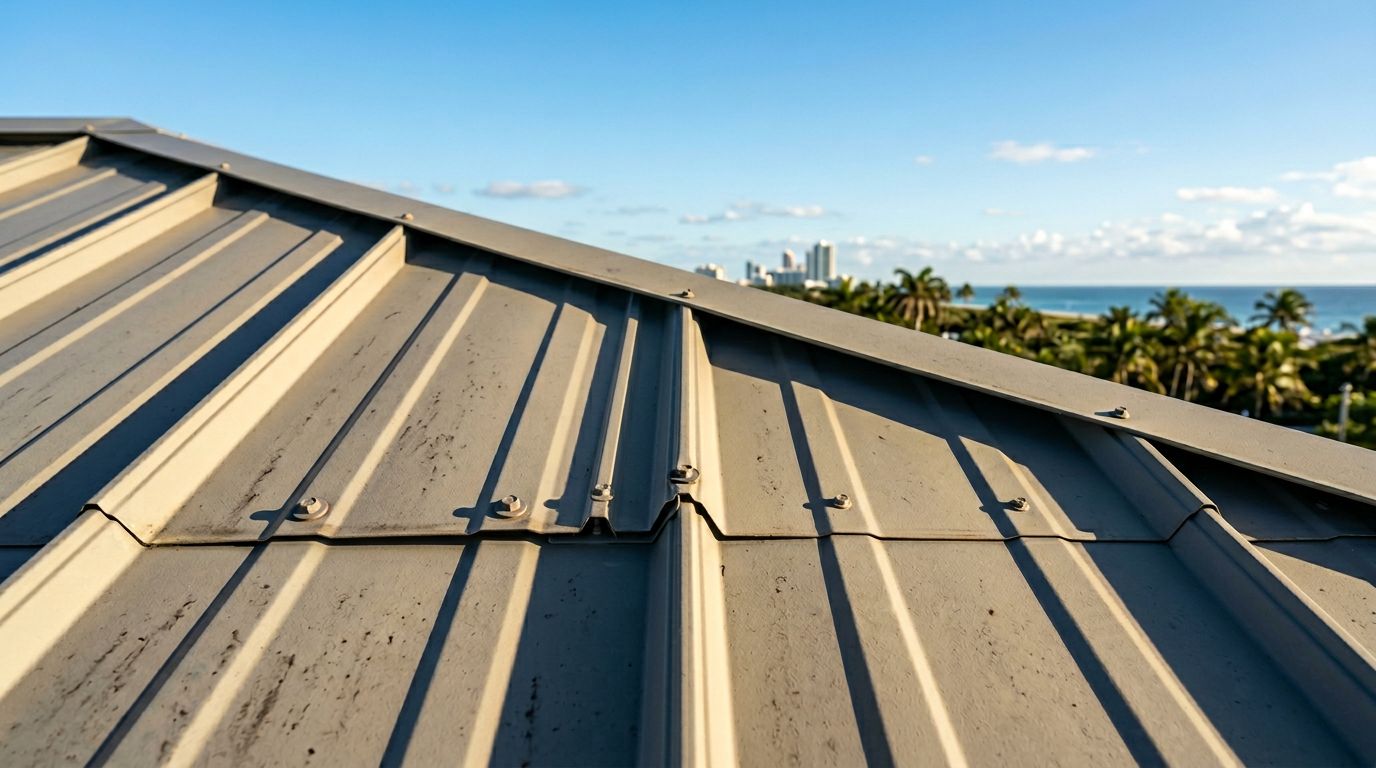
At a glance, PBR and R panels look almost identical. Both are exposed-fastener, through-screwed panels with major ribs and flats that can work for roofs or walls (depending on the specific panel and its approvals). The key change is at the sidelap.
PBR means "purlin bearing rib." That added bearing leg gives the lap more surface area to land on a purlin. As a result, PBR often feels stiffer at the lap and can be a better match for roof applications over open framing, like metal buildings and pole barns.
R panel uses a similar rib profile, but it doesn't have that same bearing leg. In many markets, crews treat R panel as a wall panel first, then use PBR on the roof. In Florida, you'll still see R panel used on roofs sometimes, but you should only do it when the exact assembly is approved and engineered for the span, wind pressure, and exposure.
Material options also muddy the waters. Gauge, coating (Galvalume vs painted), and fastener schedule can change performance as much as profile choice. That's why it helps to start with a product page and data for the exact profile you're buying, for example these PBR panels for Florida roofs.
A helpful way to think about it: PBR is like a wider boot sole at the seam. It doesn't make you invincible, but it can give better footing when conditions get rough.
Florida jobsite realities: open purlins, wind zones, and coastal exposure
Florida doesn't "test" roofs gently. Heat expands panels daily, afternoon storms add wind-driven rain, and hurricane season punishes weak details. So panel selection should follow the building's structure and the local rules, not just what's common in another state.
Open purlins and long spans (common on barns and metal buildings)
If the roof or wall fastens directly to purlins or girts, the panel acts more like a structural skin. In that setup, PBR is often the safer default for roofing because the bearing leg supports the lap at framing lines.
Still, don't treat that as a blanket rule. Span tables and uplift ratings vary by manufacturer, gauge, and installation method. A panel that works at 4-foot purlin spacing on one job might not be approved at that spacing on the next.
High-wind zones and HVHZ expectations
Florida's 2026 code environment puts a spotlight on tested assemblies. In HVHZ (Miami-Dade and Broward), you're commonly looking at Miami-Dade NOA requirements. Outside HVHZ, Florida Product Approval still matters for permitting and inspections.
That means the question isn't only "PBR or R?" It's also:
- Does this exact panel, gauge, and finish have the approval my jurisdiction wants?
- Does the tested assembly match my substrate (decking vs open framing)?
- Does my edge and corner fastener spacing match the approval?
The panel profile is only part of the system. In Florida, approval paperwork and install details are what make it pass inspection and hold up in storms.
Coastal corrosion: salt air changes the conversation
Near the coast, coatings and fasteners are a big deal. A strong panel can still fail early if corrosion eats fastener heads or washers. If you're close enough to smell salt, ask about finish systems, cut-edge protection, and fasteners rated for that environment. Also plan on more frequent wash-downs and inspections.
Roof slope and leak risk on exposed-fastener panels
PBR and R panels are exposed-fastener systems, so they rely on washered screws, sidelap details, and drainage. Low slope makes every tiny shortcut show up later as a drip.
For many Florida projects, contractors use 3:12 as a common minimum starting point for these profiles, unless a tested sealed-lap assembly allows less. To keep the planning grounded, reference practical guidance like this PBR roof slope minimums and then verify your specific approval and manual.
PBR vs R panel for roofs and walls: side-by-side comparison (Florida-focused)
Here's a quick comparison to line up the decision. Treat this as a field guide, not engineering.
| Category | PBR Panel | R Panel |
|---|---|---|
| Sidelap design | Includes purlin-bearing leg at the lap | No bearing leg at the lap |
| Best "default" use in Florida | Roofs over open purlins, metal buildings, shops | Walls and siding, also roofs when specifically approved |
| Open framing support | Often better lap support at purlins | Can be fine, but check spans and approvals closely |
| Wind and uplift performance | Varies by manufacturer and assembly, often selected for tougher roof demands | Varies by manufacturer and assembly, commonly selected for walls |
| Water shedding at sidelap | Bearing leg can help lap stability and sealing consistency | Depends more on lap detail, sealant, and fastener quality |
| Typical real-world approach | PBR on the roof, R on the walls (common mixed system) | Frequently paired with PBR roofing on the same building |
| What you must verify | Florida Product Approval or NOA, fastener pattern, substrate, slope | Florida Product Approval or NOA, fastener pattern, substrate, slope |
The big takeaway: many Florida buildings use both . Contractors often choose PBR for the roof where uplift and drainage matter most, then use R panel for walls to keep the package consistent and cost-friendly.
When PBR usually makes more sense
On many Florida jobs, PBR is the easier call when any of these show up:
- Metal building or pole barn roof over open purlins
- Longer purlin spacing, higher design pressures, or larger roof planes
- You want a roof-first profile that crews recognize and stock often
If you're still comparing exposed-fastener profiles and looks, this overview of PBR and R panel profiles helps frame where they sit among other Florida favorites.
When R panel is a solid choice
R panel often fits best when the walls are the priority:
- Vertical wall applications where water sheds differently than roofs
- Barndominiums, shops, and warehouses that want a clean ribbed wall look
- Projects where the engineered design calls out R panel specifically
If you're planning walls, trims, and transitions, it also helps to understand the basics of R metal panel features so you don't get surprised by lap direction, closure needs, or flashing geometry.
Practical takeaways before you order
- Match the panel to the framing : Open purlins push many roofs toward PBR, but approvals decide the final answer.
- Treat corners like a different roof : Edge and corner zones drive fastener spacing in high winds.
- Coastal jobs need a system mindset : Panel coating, fasteners, and trims must all resist salt exposure.
- Don't guess on approvals : Specs vary by manufacturer, and many Florida permits require product approval documents or an engineer's review.
Conclusion
PBR and R panels are close cousins, but Florida weather makes their differences matter. If your project includes open purlins, bigger spans, or higher wind pressure, PBR often fits roofing demands better. For walls, R panel commonly shines, especially when the assembly is approved and detailed right. Before you commit, confirm the product approval or NOA, verify the tested fastener pattern, and build the details like you expect sideways rain, because you should.
Share Our Metal Roofing News Articles
Related Posts