How to Replace a Damaged Metal Roof Panel
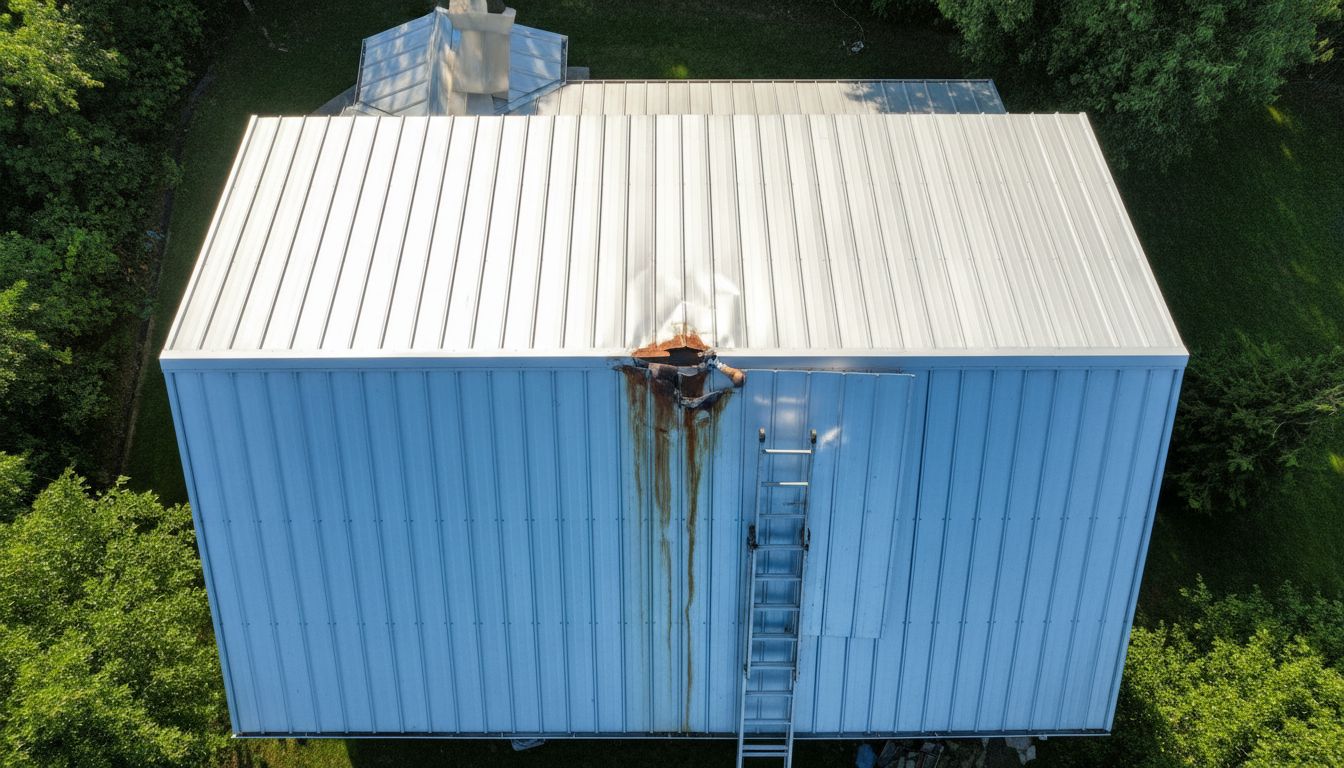
A dented or rusted metal roof panel can turn a minor issue into a major leak if you ignore it. In Florida's humid climate, water sneaks in fast, especially after storms. You face choices: patch it quick or replace metal roof panel entirely for lasting protection.
Homeowners and contractors often spot damage from hail or wind. Luckily, you can swap one panel yourself if you're handy and safe. This guide walks you through the process step by step. It covers key precautions too.
First, check if repair or full replacement makes sense. Read our signs your Central Florida metal roof needs repair vs. replacement to decide.
Spot the Damage and Plan Ahead
Damage shows up as dents, rust spots, or loose seams. Walk around your roof on a calm day. Use binoculars from the ground to avoid risks. Look for cracks in paint, warped edges, or water stains inside.
Florida heat speeds up rust, so act soon. Measure the damaged panel's length, width, and profile. Profiles like 5V or PBR differ, and mismatches cause leaks. Match the gauge too, often 26 or 24.
Order a exact replacement from a local supplier. For panel options, see our comprehensive guide to metal roof panels. Note the fastener type: exposed or concealed. Exposed use screws through the panel; concealed clip underneath.
Sketch the roof layout. Count overlapping panels nearby. You might need to lift two or three to access one. Budget extra time for that.
Tools and Materials Checklist
Gather everything before you start. Missing items mid-job leads to frustration.
Use this quick list:
- Replacement panel (exact match)
- Long-life screws or clips ( importance of long-life fasteners)
- Butyl sealant tape or caulk
- Drill with bits and nut driver
- Roofing snips or nibbler
- Ladder and roof brackets
- Safety harness, gloves, eye protection
- Chalk line and measuring tape
- Pry bar and mallet
Stock extras like screws. Florida approvals matter for wind resistance, so confirm with your supplier.
Prioritize Safety on the Roof
Working at height kills more people than most jobs. Never rush. Pick a dry day with no wind or rain forecast. Mornings work best before heat builds.
Secure your ladder on flat ground. Use roof brackets every 8 feet. Harness up and tie off to a sturdy point. Wear slip-resistant shoes; metal gets slick fast.
Test each step. Avoid valleys or edges. Have a spotter below. If you're unsure, call a pro. One slip ruins more than the panel.
Heat stroke hits quick in Florida. Drink water often. Take breaks in shade.
Remove the Damaged Panel
Start low on the roof slope. This lets water flow right during work.
Loosen fasteners on adjacent panels first. For exposed systems, back out screws carefully. Don't strip them. Use a #2 bit that fits snug.
Pry overlaps gently. Slide butyl tape off seams. Lift the panel free. If stuck, tap with a mallet through wood blocks.
Inspect underlayment. Replace if wet or torn. Clean the area. Wipe rust spots.
Bag old screws. Dispose properly.
Install the New Panel
Position the new panel. Align ribs or seams perfect. Use chalk lines for straight runs.
Apply fresh butyl tape on overlaps. This seals against Florida rains.
For exposed fasteners, drill pilot holes. Space screws 12-18 inches. Don't over-tighten; it strips metal.
Concealed systems clip first, then seam with a hand tool. Follow manufacturer spacing.
Secure top edge last. Check level often.
Test water flow. Spray hose from eaves up. Fix drips now.
Exposed vs. Concealed Fastener Differences
Processes vary by system. Exposed panels screw through flats. They're simpler for DIY but show fasteners. Use pancake-head screws there.
Concealed, or standing seam, hide clips. You snap panels over clips, then fold seams. It takes practice; wrong folds leak.
Panel profiles change steps too. Ribbed like AG need side laps sealed. Flat standing seam focuses on clip tension.
Match exactly or leaks follow. Mismatched profiles gap under wind.
Troubleshoot Common Problems
Stripped screws? Use oversized long-life ones. Drill out bad holes.
Sealant fails? Clean old stuff. Reapply fresh butyl. Press firm.
Rust spreads? Wire brush, prime, paint. Check source like bad flashing.
Damaged underlayment? Cut synthetic membrane to fit. Staple secure.
Hail dents nearby? Inspect full area. See our hail damage on Florida metal roofs.
If issues persist, pros have tools for big fixes.
Replacing a damaged metal roof panel saves money over full reroofs. You restore protection fast if you match details right. Stay safe, seal tight, and your roof lasts decades in Florida weather. Questions? Local suppliers help with exact parts.
Share Our Metal Roofing News Articles
Related Posts