Metal Roof Condensation in Florida, What Causes It, How to Spot It, How to Fix It
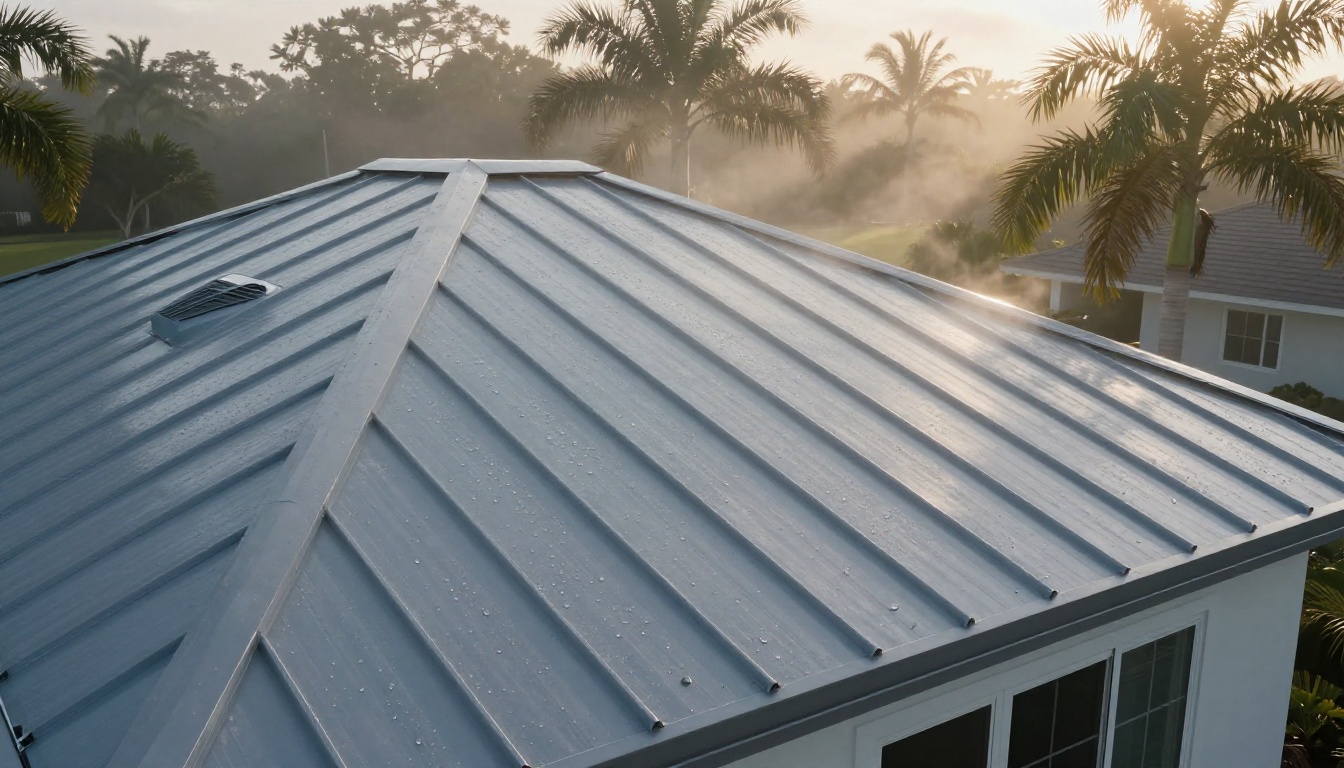
You walk into the garage or attic after a muggy night and notice water droplets under the roof. Or maybe it’s a musty smell that wasn’t there last month. In Florida, metal roof condensation can show up fast, and it can look a lot like a roof leak.
The good news is that condensation is usually fixable once you pin down the real moisture source. The tricky part is that the “right” fix depends on your roof style, attic type, insulation, HVAC setup, and how air moves through the building.
Why metal roof condensation happens so often in Florida
Condensation is what happens when moist air hits a surface that’s cold enough to turn water vapor into liquid. Think about a cold drink “sweating” outside in July. Your metal roof can do the same thing.
The key term is dew point . Dew point is the temperature where air can’t hold all its moisture anymore, so water drops out onto the nearest cold surface. In Florida, outdoor air often carries a lot of moisture, even at night.
A few Florida-specific physics pieces matter here:
- Psychrometrics is the study of air and moisture (temperature, humidity, and how much water the air can carry). You don’t need to be an engineer to use it. You just need to remember that warm air can carry more moisture than cool air.
- Radiant cooling happens when a roof surface “sees” the night sky and cools down, sometimes below the outdoor air temperature. Metal can cool quickly, which makes condensation more likely on certain nights.
- Vapor drive is moisture pressure pushing vapor from where there’s more moisture to where there’s less. In Florida, vapor drive can work in different directions depending on season and air conditioning, which is why one-size-fits-all advice fails.
So what creates the perfect setup for condensation under a metal roof?
Often it’s a combination of high humidity + a cool metal surface + air leaks . Common culprits include a leaky return plenum, disconnected duct joints, bathroom fans dumping air into the attic, or ceiling penetrations that let indoor air rise into cooler roof areas. Poor ventilation can make it worse by trapping humid air up high. If you want a plain-language overview of airflow balance (intake and exhaust), this guide on metal roof ventilation solutions for Florida homes explains the basics.
Underlayment and deck strategy also matter because they control how moisture is blocked, absorbed, or trapped. For Florida-specific selection factors, see best underlayment options for Florida metal roofs.
How to spot condensation (and not confuse it with a roof leak)
A leak usually shows up after rain and follows a path from a penetration, seam, or flashing detail. Condensation often shows up after temperature swings, cool nights, or heavy HVAC run time, even when it hasn’t rained.
Start with timing and patterns. Condensation is often heaviest in the early morning. It can appear across wide areas, not just one spot. It also tends to collect on metal fasteners, purlins, the underside of panels, and on cold ductwork.
Before you climb into an attic, take safety seriously. Florida attics can hit dangerous temperatures even in “mild” months, and wet areas can hide electrical hazards.
Safety cautions
- Treat attic heat as a real risk. Go early, take breaks, and bring water.
- Watch for electrical lines, junction boxes, and recessed lights. Don’t touch wet wiring.
- If you see mold, wear PPE (at least gloves, eye protection, and a properly fitted respirator rated for particulates). Don’t disturb heavy growth.
Here’s what to document so a roofer, insulation contractor, or HVAC tech can diagnose faster:
| What to document | What to look for | Why it helps |
|---|---|---|
| When it happens | Morning only, after AC runs, after rain, after cold front | Separates condensation patterns from leaks |
| Where it shows up | Wide “sweating” vs. one trail from a penetration | Points to humidity vs. water entry |
| What’s wet first | Metal underside, screws, wood deck, insulation, ducts | Identifies the cold surface hitting dew point |
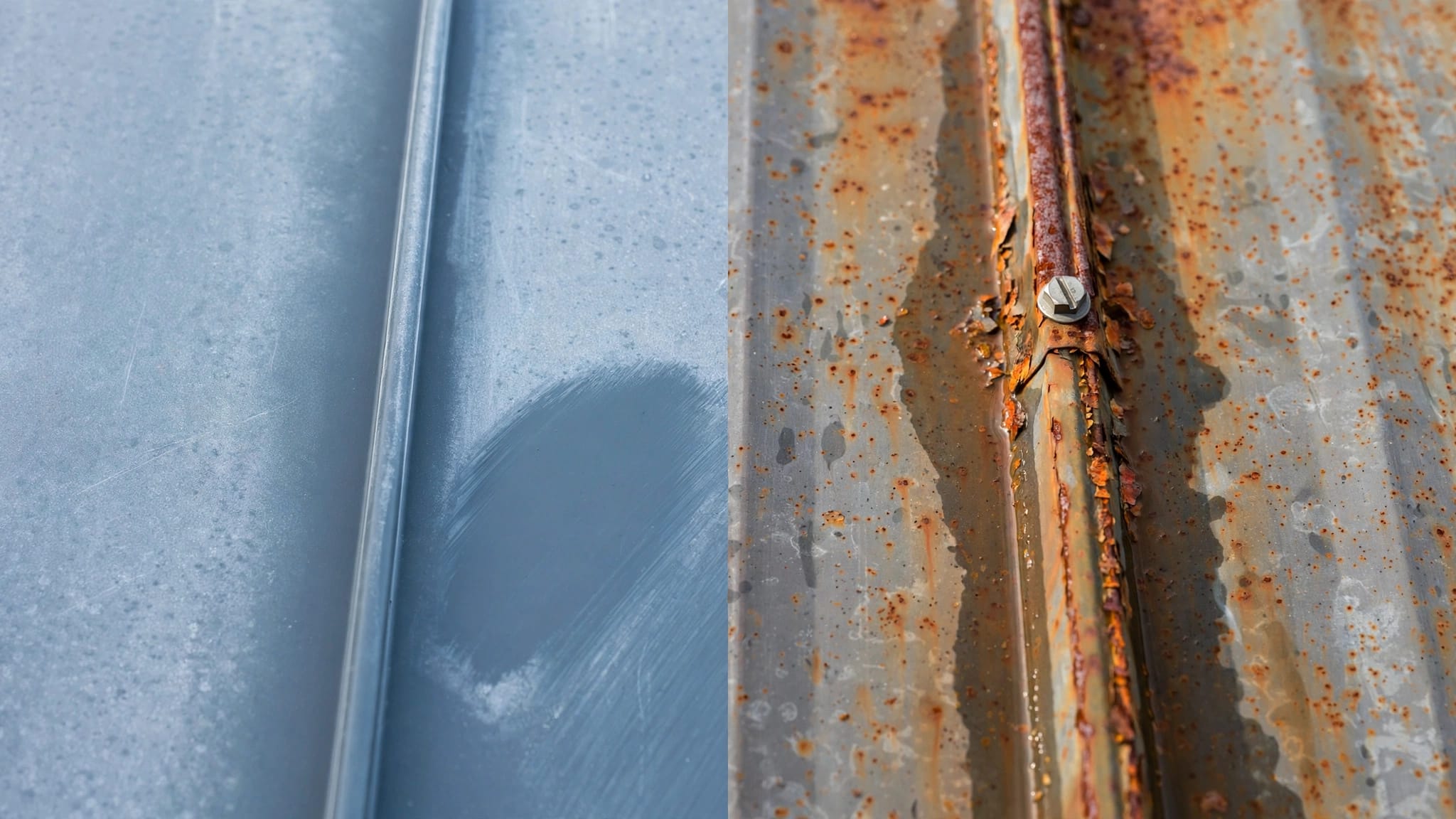
| Smell and staining | Musty odor, rust streaks, dark deck stains | Suggests repeat wetting and possible mold risk |
| Indoor conditions | Thermostat setpoint, indoor RH if available | High indoor humidity can drive attic moisture |
A simple clue: if the roof deck is wet but the insulation below is dry in random patches, that often points to air movement and dew point , not a hole in the roof.
If you want a visual explanation of how condensation forms and why metal isn’t the “cause,” this condensation under a metal roof video is a helpful starting point.
How to fix metal roof condensation (step-by-step) and prevent it on new installs
Most lasting fixes do two things: they reduce moisture in the air that reaches the roof, and they keep roof-side surfaces from dropping below dew point as often.
Step-by-step troubleshooting that works in real Florida buildings
- Confirm it’s not a roof leak. Check after a rain event. Look at flashings, penetrations, valleys, and transitions. If staining lines up with a detail above, handle that first.
- Measure basic conditions. If you can, log attic temperature and humidity (even a basic sensor helps). Condensation risk spikes when a surface temp drops below the dew point of the nearby air.
- Find and stop air leaks from the living space. Seal around can lights (rated covers where required), attic hatches, bath fan housings, top plates, and plumbing penetrations. Air sealing is often the cheapest “big win.”
- Inspect ductwork like it’s plumbing. In Florida, duct leaks are a top condensation driver. Seal duct joints with mastic, fix disconnected runs, and check for missing or damaged duct insulation. Cold air spilling into an attic can chill surfaces and raise dew point risk at the same time.
- Balance attic ventilation (if you have a vented attic). Ventilation isn’t about “more holes,” it’s about balanced intake and exhaust so humid air doesn’t stagnate. Many codes use net free vent area ratios like 1:150, with allowances in some designs, but your best target is what your roof design and local requirements call for. This is where a roofing pro earns their keep.
- Correct insulation strategy. Low insulation can make interior surfaces cold and create cold spots near the roof assembly. In other cases, insulation is fine but air leaks bypass it. The fix depends on your assembly.
- Choose the right moisture control layers. In some buildings, a sealed underlayment approach or an approved vapor retarder in the right location helps. In others, you may need a vented air space, or an anti-condensation membrane designed for metal panels. Don’t guess here, the wrong layer in the wrong place can trap moisture.
For installs or retrofits, it helps to follow a consistent process. This step-by-step metal roof installation guide is useful for understanding sequencing and where moisture control fits.
Questions to ask before you approve a “fix”
Ask your roofer, insulation contractor, or HVAC contractor these questions and write down the answers:
- What moisture source do you think is feeding the condensation (indoor air leakage, duct leakage, outdoor air intrusion, bulk water leak)?
- What attic type do I have now (vented, unvented, sealed, conditioned), and does your fix match that design?
- If you change ventilation, how will you verify intake and exhaust are balanced?
- If you recommend a vapor retarder or sealed underlayment, where will it go and why?
- What signs would tell us the plan didn’t work after 2 to 4 weeks?
Prevention tips for new metal roof installs in Florida
If you’re planning a new roof, condensation prevention is much cheaper when it’s built in:
- Pick underlayment for your roof and climate , not just price. Low-slope areas, complex roof lines, and high wind zones often need higher-performing systems.
- Plan ventilation early , including ridge, soffit, and any baffles needed to keep insulation from blocking airflow.
- Air seal the ceiling plane , especially at the attic access and mechanical penetrations.
- Seal and insulate ductwork , then verify with testing if possible.
- Decide on attic type intentionally (vented attic vs. unvented/sealed assembly). Mixing strategies is a common path to trapped moisture.
- Limit humid air entry , including properly ducted bath fans and kitchen exhaust.
Conclusion
Metal roof condensation in Florida isn’t a mystery problem, it’s moisture physics plus the way your home moves air. Once you document the pattern, verify it’s not a leak, and address air leaks, ducts, ventilation, and insulation as a system, metal roof condensation usually drops fast. The best next step is to share your notes and photos with a qualified roofer and HVAC or insulation pro, then choose a fix that matches your attic design instead of fighting it.
Share Our Metal Roofing News Articles
Related Posts