Kynar 500 (PVDF) vs. SMP Paint for Metal Roofing in Central Florida, Which Finish Holds Color Longer
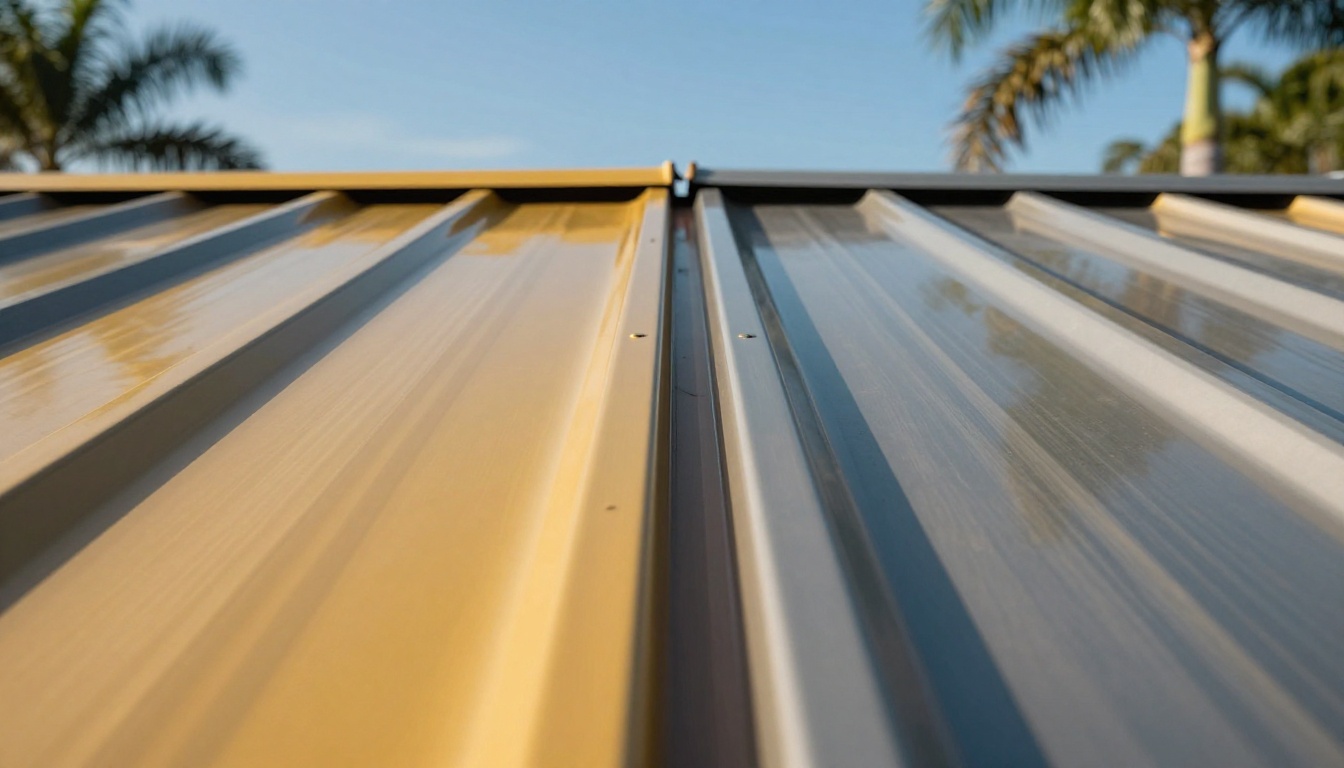
If you’re putting on a metal roof in Central Florida, the color choice feels simple until you learn there’s another decision hiding underneath it: the paint system. Two roofs can start the same shade of white, bronze, or blue, then age in totally different ways under Florida sun.
This is where Kynar 500 vs SMP matters. Both finishes can look great on day one, but Central Florida’s UV, humidity, and storm-driven grime act like sandpaper on coatings over time. The goal is not perfection forever, it’s staying close to the original color for as long as possible without getting that tired, dusty look.
Below is a real-world comparison, with plain-English terms, what drives fading and chalking here, and how to pick the right finish for your panel profile and location.
Why Central Florida makes roof paint age faster (sun, humidity, salt)
Central Florida sunlight is intense year-round, and UV is the main reason roof coatings lose color. Think of UV like a slow bleach, it breaks down the binder (the resin) that holds pigment in place. Once that binder weakens, you’ll see two common changes:
Fading is the color shifting lighter or duller over time. Dark colors often show it sooner because small changes stand out more on deep tones.
Chalking is the powdery residue that forms when the coating surface breaks down. If you rub a hand across an older panel and see a faint white film, that’s chalk. Chalking can make even a “not that faded” roof look flat and dirty.
You’ll also hear contractors talk about Delta E (ΔE) . It’s a way to measure color change using numbers instead of opinions. In plain terms, a low ΔE means the roof still looks close to the original color, a higher ΔE means the difference is easier to spot from the ground (especially on darker hues).
Central Florida also adds two accelerators:
- Heat and humidity cycles : Hot afternoons and cooler, wet nights make coatings expand and contract. Over years, that stress can speed up surface wear.
- Salt exposure (even inland) : If you’re closer to the coast (or you get frequent salt-air days pushed inland by wind), salt can sit on the roof and attract moisture. That film of salty dampness can be rough on finishes and can stain if it’s left to bake on.
If you want the “same color for decades” look, you’re really shopping for a coating that resists UV breakdown and stays smooth so dirt does not cling as easily.
Kynar 500 (PVDF) vs. SMP, what actually holds color longer here
Both PVDF and SMP are factory-applied coil coatings, not field paint. The difference is the resin system.
PVDF (Kynar 500 or Hylar 5000) uses a fluoropolymer resin (commonly called 70 percent PVDF). That resin is very stable in UV. In Florida conditions, PVDF is widely considered the top choice for long-term color and chalk resistance. Industry performance benchmarks for high-performance finishes are tied to standards like AAMA 2605 , which is the “highest tier” for organic coatings. For context on what that means, see this overview of AAMA 2605 performance expectations.
SMP (silicone-modified polyester) blends polyester with silicone to improve durability compared to basic polyester. SMP is popular for residential and agricultural projects because it costs less and tends to be a bit harder on the surface.
What you can expect in real Central Florida aging
No coating ages the same on every roof. Color family, gloss, roof pitch, install handling, and cleaning all matter. Still, typical trends in high-UV and occasional salt-air conditions look like this:
- PVDF (Kynar 500) : Often maintains good color stability for 20 to 30 years or longer, with slower chalking. You’ll still see some weathering, but it tends to be gradual.
- SMP : Often shows earlier visible fade and chalking, commonly somewhere in the 10 to 20-year range, depending on pigment quality and exposure.
If you like the technical side, manufacturers publish comparison docs that explain why PVDF usually wins on color retention. Sherwin-Williams lays out general coating differences in its metal coil coatings comparison guide, and AkzoNobel discusses long-term PVDF performance factors in its PVDF market and performance whitepaper.
Color choice changes the outcome
This part gets overlooked. The coating system matters, but pigments matter too .
- Bright reds, some blues, and vivid custom colors often show more noticeable fade over time than earth tones, grays, tans, and many whites.
- Lower-gloss or matte looks can hide minor changes better, while high-gloss finishes can show gloss drop sooner (even if the color is still close).
So, “PVDF vs SMP” is not only about the label, it’s also about choosing a color family that behaves well where you live.
How to choose the right finish for your roof profile (with a quick checklist)
A roof finish is only as good as the roof system around it. Panel profile, fasteners, and even how often you rinse the roof can change how long the color stays sharp.
If you’re considering exposed-fastener panels like 5V, remember you’ll see more penetrations and hardware. That can mean more places for grime to collect, and screw head colors can age differently than the panels. If you’re comparing options, it helps to look at panel profiles and available finishes side-by-side, like these 5V crimp panels with Kynar and SMP color options.
For higher-end residential and many commercial projects, standing seam is often chosen for looks and fewer exposed fasteners. You can review finish options across profiles on standing seam panels and available colors.
Pros and cons table (Central Florida color longevity focus)
| Feature | Kynar 500 (PVDF) | SMP (silicone-modified polyester) |
|---|---|---|
| Color retention in high UV | Best overall , slower fade | Good, but typically fades sooner |
| Chalking resistance | Best overall , stays smoother longer | More likely to chalk earlier |
| Coastal salt-air exposure | Strong choice for harsh exposure | Can do fine inland, more risk near coast |
| Scratch hardness during install | Slightly softer, careful handling helps | Often harder surface, may resist scuffs better |
| Cost | Higher upfront | Lower upfront |
| Best fit | Long-term owners, premium colors, coastal or high-visibility roofs | Budget-driven projects, many earth tones, shorter ownership horizon |
Decision checklist for Central Florida owners
Use this to make the choice feel less like guesswork:
- Distance to salt air : If you’re near the coast or get frequent salt-air days, PVDF is usually worth it.
- How long you’ll own the building : Planning to stay 15 to 30 years? PVDF tends to pay you back in appearance.
- Color family : If you want a bold red or bright blue, PVDF is the safer bet for holding that look.
- Roof visibility : A roof you see every day (or customers see) makes color longevity more valuable.
- Maintenance willingness : If you know you won’t wash it, choose the finish with better chalk resistance.
Maintenance that helps either finish hold color
You cannot “stop” UV, but you can reduce grime that makes roofs look older than they are:
- Rinse or gently wash once or twice a year, more often if you’re closer to salt spray.
- Use mild soap and water with a soft brush, then rinse well.
- Avoid harsh solvents and abrasive pads. They can dull the surface and speed up chalking.
- Keep gutters and valleys clear so dirty water does not overflow and stain panels.
If you want a simple planning list for fasteners, underlayment, and accessories that also affect long-term performance, use this metal roofing materials checklist for Central Florida projects.
Conclusion
In Central Florida, PVDF (Kynar 500 or Hylar 5000) is the safer pick when your top goal is holding color longer with less chalking, especially on darker colors and in coastal or salt-air zones. SMP can still be a solid choice for many budgets and color ranges, but it usually shows visible aging sooner under the same exposure.
If you want your roof to look “closer to new” for more years, start with the finish, then stack the deck with a smart color choice and gentle cleaning habits. The sun will do what it does, your job is picking the coating that fights back the longest.
Share Our Metal Roofing News Articles
Related Posts