Exposed-Fastener vs. Hidden-Fastener Metal Roofing in Central Florida, real-world pros, cons, and who each one fits
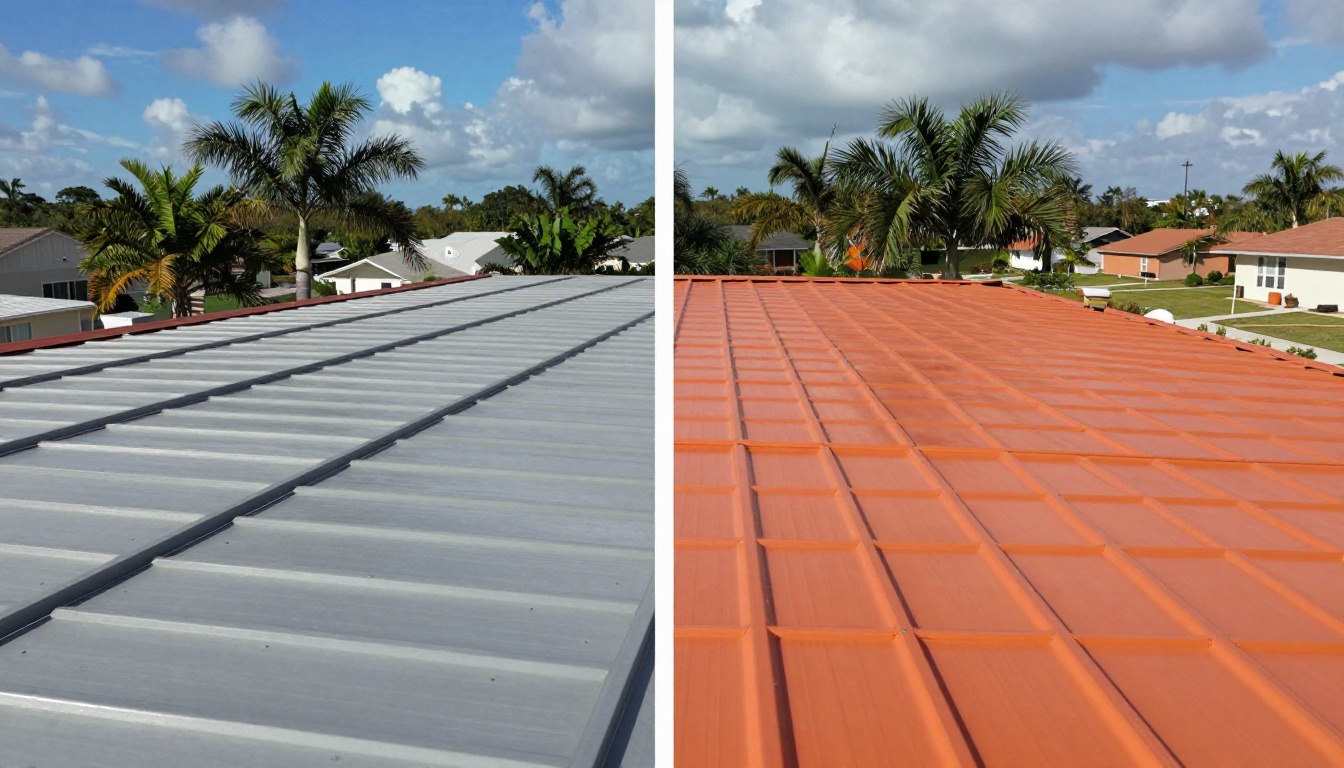
If you’re shopping for metal roofing along the Orlando to Tampa corridor, the biggest fork in the road is simple: exposed-fastener panels (you see the screws) or hidden-fastener panels (the screws are concealed). Both can work well here, but Central Florida heat, daily storms, and hurricane-season wind will expose weak details fast.
This guide breaks down real-world differences in metal roofing fastener types , what typically fails first, what drives price, and how to match the system to your home or small commercial building.
What changes on the roof when fasteners are exposed vs. hidden?
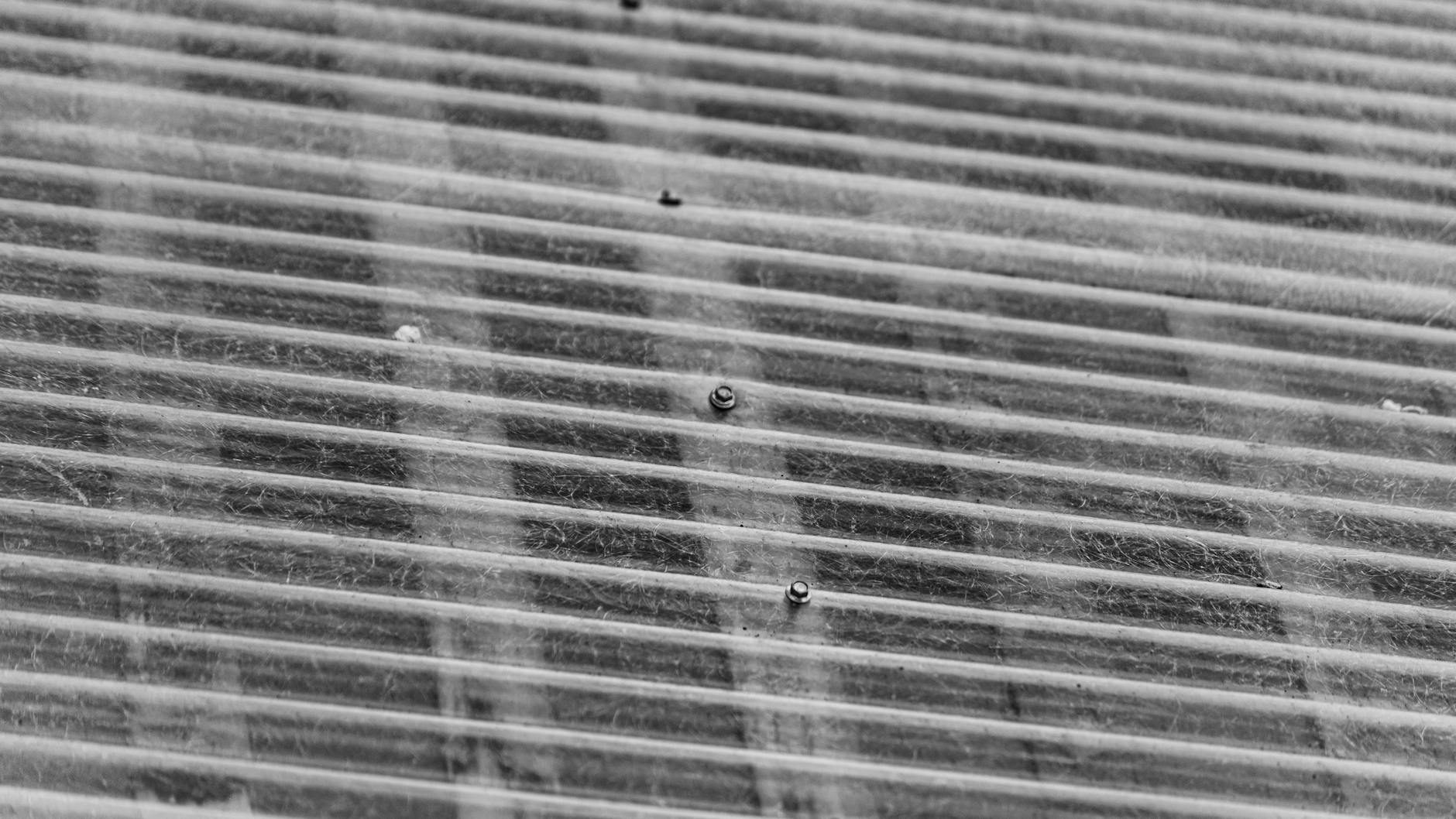
Photo by Alex Dos Santos
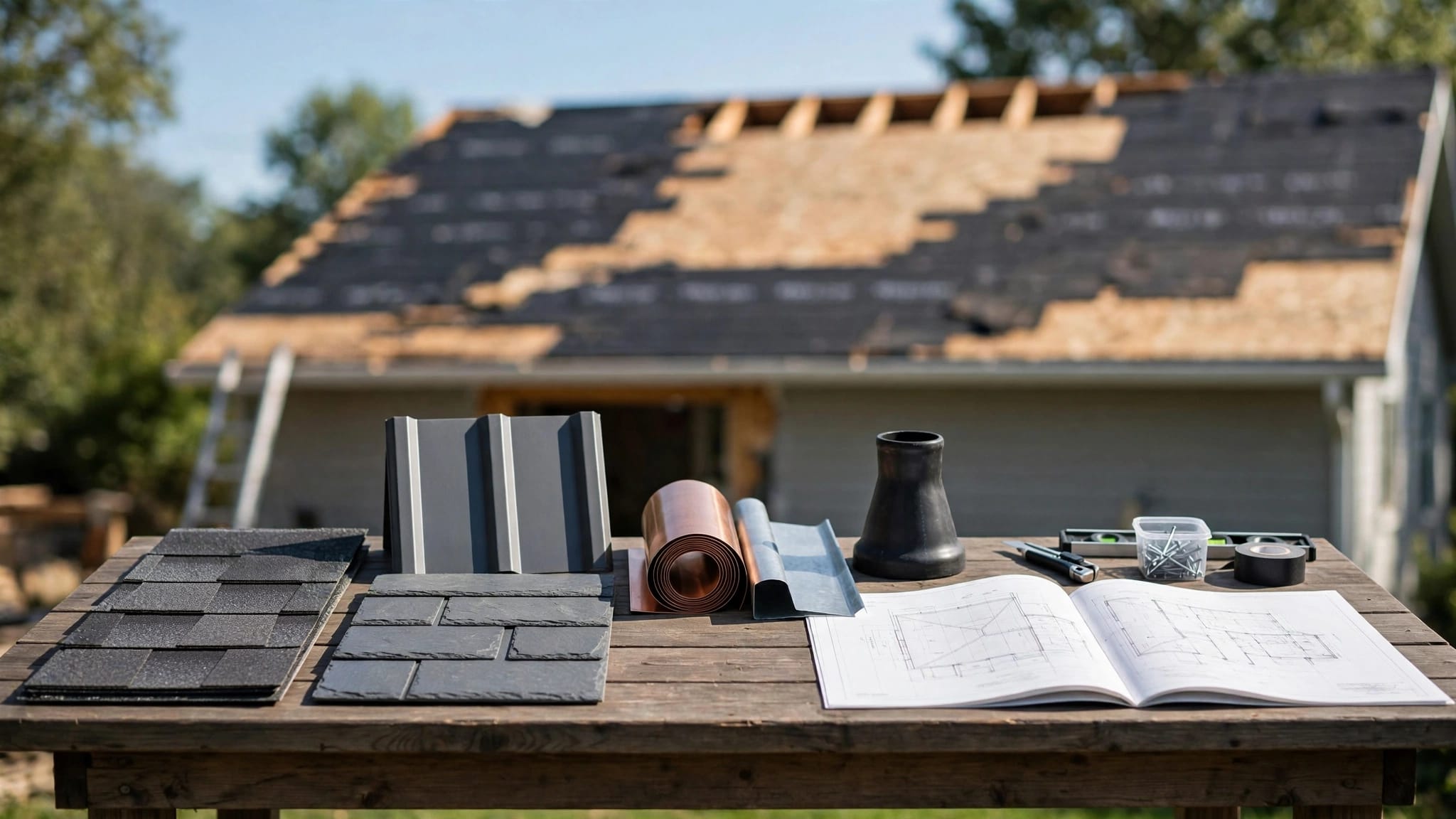
Exposed-fastener metal roofing (often Multi-Rib, R-Panel/PBR, or 5V Crimp) is a “screw-down” system. The panels are laid out, then screws with rubber washers penetrate the panel and bite into the deck or purlins. It’s straightforward, fast to install, and it keeps initial cost down. If you want a quick look at common profiles, see these economical exposed fastener panels.
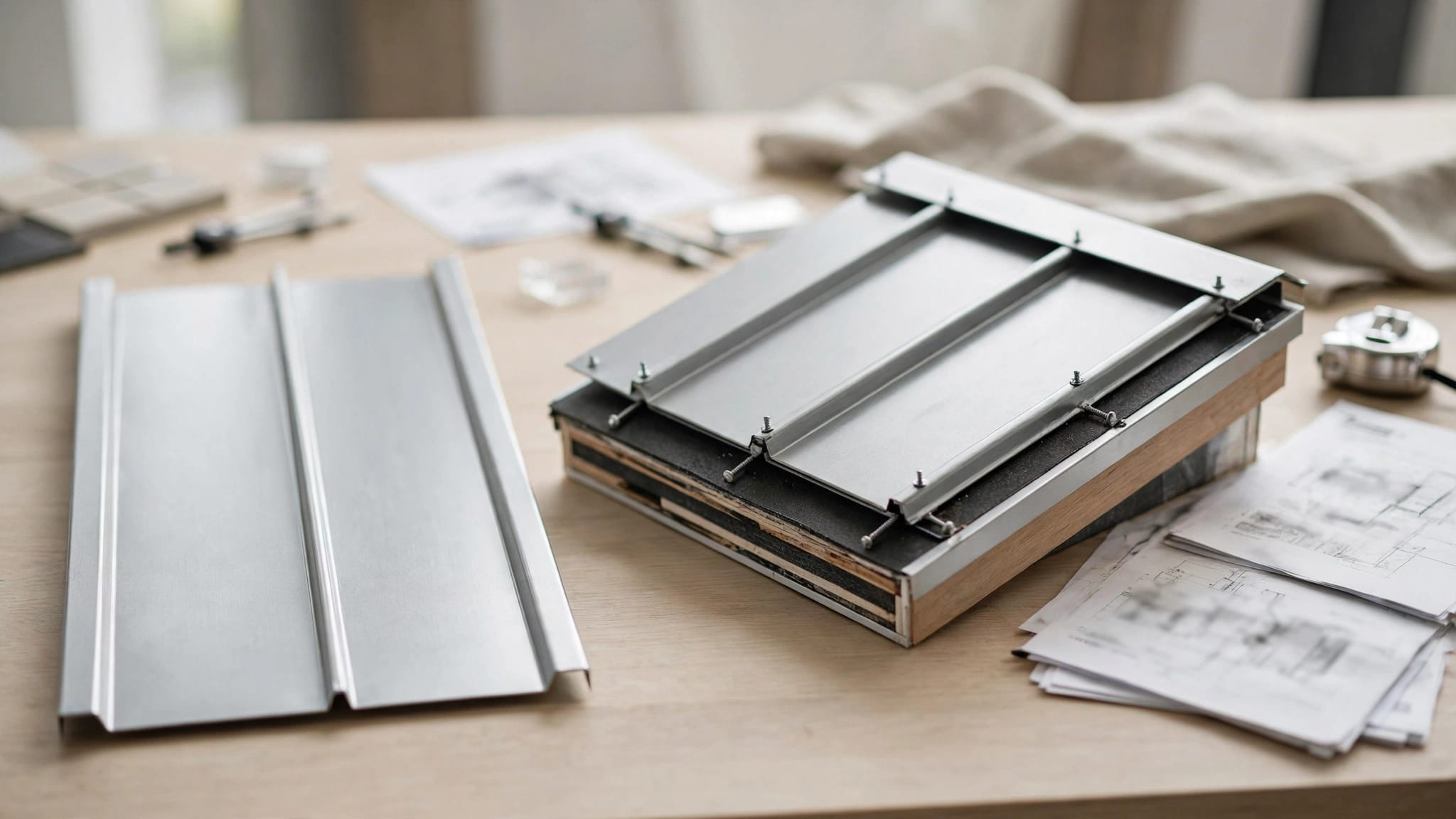
Hidden-fastener metal roofing is usually standing seam. The panels attach with clips and the fasteners sit under the seams, protected from direct sun and rain. The seams snap or mechanically lock together, so water is pushed away from the attachment points. Standing seam also handles thermal movement differently; the panel can expand and contract while the clip system manages that motion.
Here’s the “roof physics” version: Florida sun heats metal fast, then afternoon rain cools it fast. That movement repeats for decades. With exposed-fastener roofs, the screw and washer are part of the weather surface. With hidden-fastener roofs, the clip and fastener are inside the system, so UV and standing water don’t beat on them every day.
Code wise, your permit will follow the Florida Building Code in effect locally, plus county rules. Chapter requirements for roof assemblies are easy to reference in Florida Building Code Chapter 15, but uplift ratings and approved assemblies still vary by product approval, geometry, and wind zone.
Central Florida pros and cons you’ll feel after 5 to 15 years
Exposed-fastener roofs can last a long time here, but they’re less forgiving when details are skipped. The most common early issues are washer wear , over-driven screws (washer splits or squeezes out), under-driven screws (no seal), and screw back-out from movement and vibration. In salty air near the coast, cheap screws can corrode sooner, then staining or rust can spread from the fastener point. Using long-life, warranted screws is one of the simplest upgrades that pays off, and it’s worth reading why in long-life fasteners for exposed panels.
Hidden-fastener standing seam usually wins on leak resistance because there are fewer penetrations on the weather surface. It also tends to stay tighter in wind events when installed as a tested assembly. That said, it’s not magic. What fails first on a bad install is often at transitions (sidewalls, chimneys, skylights), poorly detailed ridge and eave conditions , or seams that were not formed or sealed per the chosen system. The roof can also “oil can” (visual waviness) depending on panel width, substrate flatness, and color, even when performance is fine.
A practical comparison:
| Category | Exposed-Fastener Panels | Hidden-Fastener Standing Seam |
|---|---|---|
| Biggest strength | Lower upfront cost, simple repairs | Fewer leak points, cleaner look |
| Most common weak point | Screw washers and penetrations | Detail work at transitions, seam quality |
| Typical upkeep | Periodic fastener inspection and replacements | Occasional inspection, less routine hardware work |
| Wind-driven rain | Can do well, but depends heavily on screw pattern and sealing | Often performs better due to concealed attachment and raised seams |
| Visual style | Ribbed, more “working roof” look | Smooth lines, higher-end appearance |
For wind and testing, you’ll hear contractors reference systems rated by standards like FM , ASTM , and UL (for example FM 4471, ASTM E1592, UL 580), plus Florida-specific approvals. If you’re in a stricter zone or working on a commercial property, ask what uplift rating the proposed assembly meets and what paperwork will be included for the permit file. For background on Florida’s sealed roof deck and assembly updates, the state’s roof assemblies fact sheet is a helpful read.
Costs in 2026, what drives them, and a simple scorecard
Across Central Florida in 2026, installed pricing often lands in a wide range because roofs aren’t “per square foot” in real life. Pitch, access, tear-off, deck repairs, and details can swing bids hard.
A realistic starting point:
- Exposed-fastener roofs often price around $5 to $12 per sq ft installed .
- Hidden-fastener standing seam commonly runs $10 to $25 per sq ft installed , especially when trim packages, complex geometry, and higher wind requirements come into play.
The biggest price drivers are labor skill (standing seam is slower and more technical), roof complexity (valleys, dormers, wall transitions), metal thickness and finish, underlayment choice (synthetic vs high-temp peel-and-stick), and accessory package quality (closures, sealants, vents, clip system). Small commercial roofs can also add costs for lift access, safety plans, and stricter documentation.
A quick scoring matrix (5 is best):
| System | Cost | Durability | Maintenance | Hurricane risk (lower is better) | Aesthetics |
|---|---|---|---|---|---|
| Exposed-fastener | 5 | 3 | 3 | 3 | 3 |
| Hidden-fastener | 3 | 5 | 4 | 4 | 5 |
How to read that: exposed-fastener usually wins the budget battle, but hidden-fastener tends to win long-term performance, especially when wind-driven rain is the concern. If you’re on the fence, this deeper comparison of hidden vs exposed fasteners in metal roofs can help you picture what you’re buying.
Before you sign, ask your contractor a few direct questions (you’ll get clearer bids immediately):
- Fastener material and coating : Are screws long-life, and what metal and coating are they?
- Washer spec : What washer type, and how do they prevent over-driving?
- Fastener spacing : What pattern at field, edges, and corners (the high-suction zones)?
- Standing seam clip details : What clip type, spacing, and how is thermal movement handled?
- Underlayment plan : Synthetic vs peel-and-stick, high-temp ratings, sealed deck approach where required.
- Seams and transitions : Are seams sealed where needed, and how are penetrations flashed?
- Warranties : What’s material vs labor, and what maintenance is required to keep coverage?
Local permitting and engineering disclaimer: Florida requirements vary by county, exposure category, and roof shape. High-wind areas and certain commercial jobs may require engineering and documented tested assemblies for uplift. Confirm the exact Florida Building Code edition in force for your permit, along with local amendments and product approvals, before ordering materials or starting work.
Conclusion
Exposed-fastener roofs fit owners who want solid performance at a lower upfront cost and don’t mind periodic screw and washer upkeep. Hidden-fastener standing seam fits owners who want the cleanest look, fewer leak points, and a system that’s usually easier to keep tight through years of heat cycles and storm seasons. The best choice is the one built as a complete, code-compliant assembly, with fasteners and details treated like the main event, not an afterthought.
Share Our Metal Roofing News Articles
Related Posts