AG Panel vs PBR Panel for Florida Metal Siding: What Works Best in Wind, Heat, and Salt Air
Choosing metal wall panels in Florida feels a bit like choosing tires for a daily driver, you can get by with the basic set, or you can pay for extra grip when the weather turns.
For most projects, the AG panel vs PBR panel decision comes down to span, wind pressure, and how the wall is framed. Cost matters too, but the cheapest panel can get expensive fast if it fails inspection, oils cans badly, or corrodes early.
Below is a practical, Florida-focused comparison, with code and coastal details that homeowners and contractors can act on.
AG panel vs PBR panel: the real differences that matter on walls
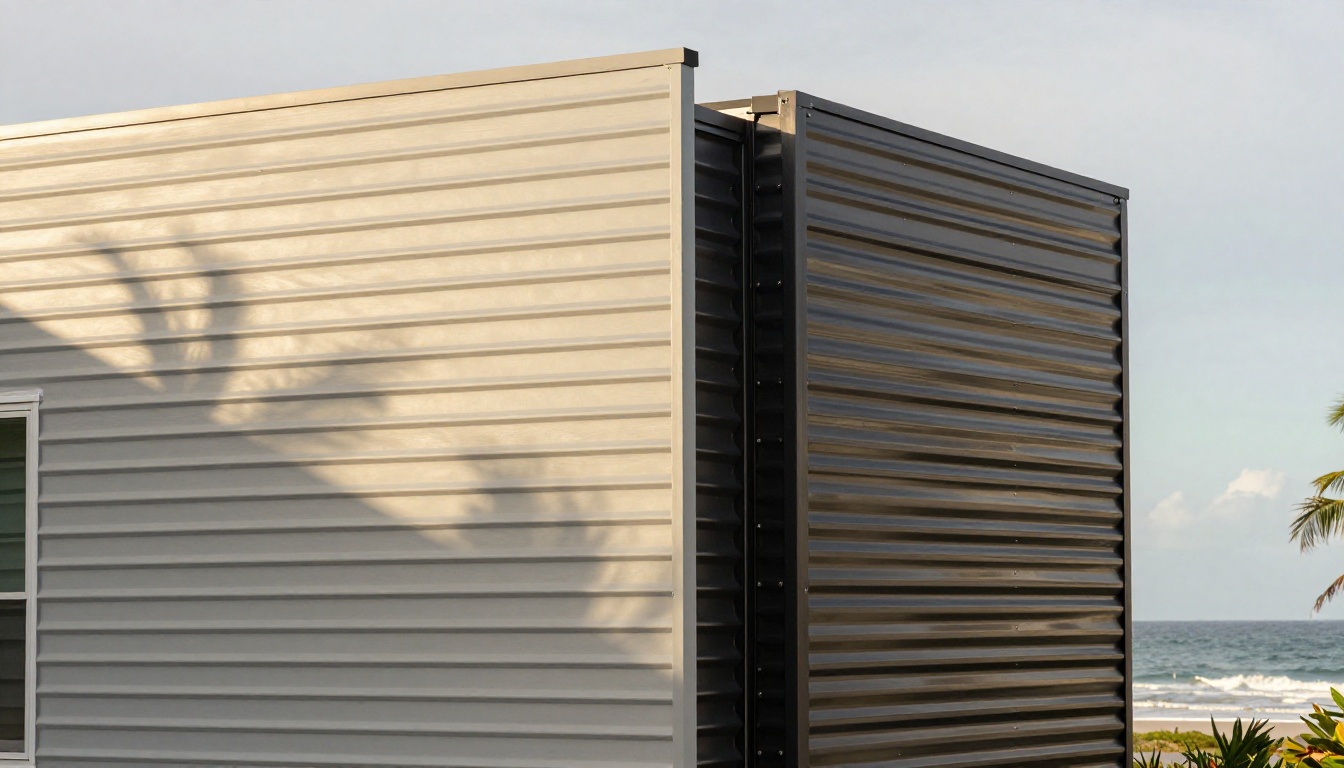
AG panels (often called Multi-Rib) and PBR panels look similar from the curb, but they don't behave the same once you start fastening them to framing.
AG panels are a common choice for barns, shops, sheds, and even residential accents. They're usually lighter-duty and often installed over solid backing or tighter framing. PBR panels include a "purlin-bearing" leg that stiffens the side lap, which helps when panels span over open framing and when wind pressures climb.
If you want a quick reference for the panel families and availability, see Mid Florida's pages for AG Multi-Rib panels for Florida applications and PBR panels for Florida roofs and walls.
Here's the side-by-side context most Florida wall projects need:
| Factor | AG (Multi-Rib) panel | PBR panel | What it means in Florida |
|---|---|---|---|
| Profile stiffness | Lighter rib profile | Stiffer, added bearing leg | PBR usually feels "flatter" on wide spans, with less flutter in gusts |
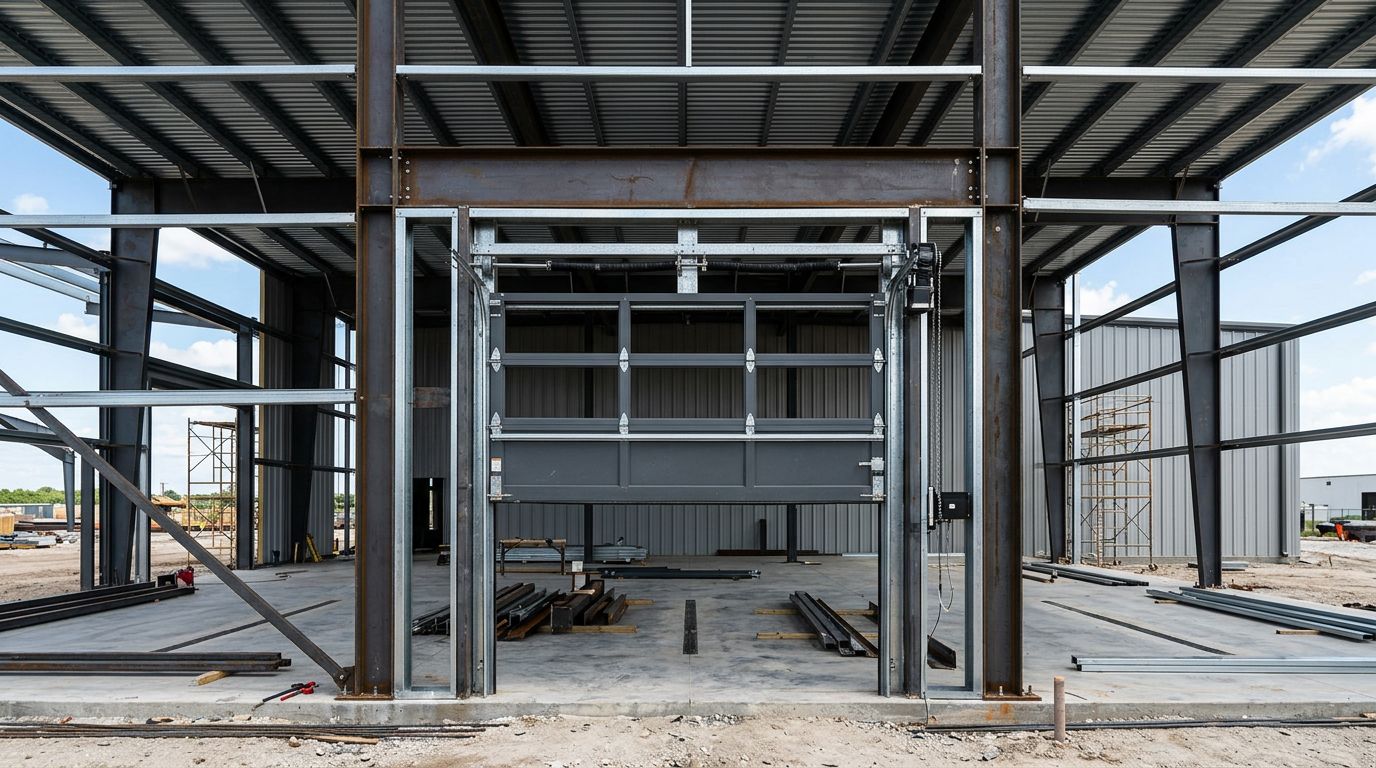
| Typical wall framing | Often better over solid backing or closer girt spacing | Designed to work well over open framing | Open-framed barns and metal buildings often favor PBR |
| Cost | Usually lower | Usually higher | AG can win budgets, but only if it meets the engineered assembly |
| Best-fit buildings | Agricultural, utility, light commercial, some residential | Commercial, industrial, pre-engineered metal buildings, high-wind needs | PBR is often the safer pick when wind pressures are high |
| Installation tolerance | Less forgiving on long spans and uneven framing | More forgiving on spans and laps | Either one still needs straight framing and correct fasteners |
After all that, the simplest way to think about it is this: AG is the pickup truck , practical and affordable, while PBR is the heavy-duty version when the load (wind and span) increases.
For another Florida-based discussion of panel selection, this guide is worth reading: Choosing between PBR and AG metal panels in Florida.
Wind zones, wall spans, and why Florida projects often push you toward PBR
Florida walls see suction pressure during storms, not just sideways push. That's why panel choice can't be separated from the full assembly: panel gauge, fastener type, fastener spacing, substrate or girt spacing, and edge conditions at corners and eaves.
PBR often gets the nod when:
- You're spanning over open girts (common on pole barns and metal buildings).
- The building is taller, more exposed, or closer to the coast.
- The engineer's pressures drive tighter fastening and stronger laps.
AG panels can still work well on walls, especially inland, but the "it's just siding" mindset causes trouble. A wall panel can fail at the fasteners, at the lap, or at trim transitions where water gets behind the skin.
If your permit plans or engineered calcs call for a certain panel and fastening pattern, don't swap profiles to save money. Inspectors check approvals, and wind loads don't care about your budget.
A practical use-case split for Florida often looks like this:
- Inland residential (non-HVHZ) : AG can be a good value for wall siding when installed over sheathing or well-spaced framing, and when the approved assembly matches the job.
- Coastal and high exposure : PBR usually provides more margin, especially over open framing and on larger wall runs.
- Commercial and pre-engineered buildings : PBR is the common language, because it's designed around purlins and girts.
If you're comparing profiles for commercial shells and shops, this overview also helps frame why the industry leans PBR: PBR and R panels for Florida commercial buildings.
Florida Building Code, HVHZ, and the approvals you must match (not just "have")
As of March 2026, Florida's code direction keeps tightening around corrosion resistance, flashing details, and tested assemblies. While there isn't a special rule that targets AG panels or PBR panels by name, the Florida Building Code (FBC) requirements still apply to both, because they're part of an exterior wall system that must resist wind and water intrusion.
Start with these non-negotiables:
- Use the exact approved assembly : Verify the panel profile, gauge, substrate, fasteners, and spacing match the listed test and approval.
- Confirm Florida Product Approval (FL Product Approval) : Many projects outside HVHZ accept it statewide, but it still has to match your install.
- Confirm Miami-Dade NOA when required : In the High-Velocity Hurricane Zone (HVHZ), Miami-Dade and Broward often require NOA-listed assemblies, and inspectors may enforce them tightly.
- Follow engineered wind pressures : Your corners and edges usually need tighter fastener spacing than field areas.
HVHZ deserves its own mental checklist. If you build in Miami-Dade or Broward, don't assume a panel that works in Orlando will pass where winds and inspection rules are tougher. Even a great panel can fail approval if the wrong fastener is used, if the washer type changes, or if you install over a substrate that's not in the tested assembly.
Also keep an eye on flashing and corrosion-resistant requirements. Wall transitions around openings, base trim, and head flashings are where Florida water finds a way in, especially in wind-driven rain.
Coastal corrosion, finish choices, and the installation mistakes that shorten panel life
Florida doesn't just test strength, it tests patience. Salt air, humidity, and heat can punish exposed-fastener wall panels if the details are sloppy.
For coastal jobs, prioritize:
- Corrosion-resistant materials and finishes : Galvalume and quality painted systems can perform well, but the best choice depends on distance to salt spray and maintenance expectations.
- Compatible fasteners : Match fastener coatings and metals to the panel and the environment. Cheap screws can become the first rust spot on the building.
- Smart water management : Use a proper WRB (water-resistive barrier) on framed walls, integrate flashings correctly, and don't rely on trim alone to keep water out.
Common pitfalls show up on both sides of the AG panel vs PBR panel debate:
-
Using a non-rated AG panel in a high-wind area
A panel that "looks the same" may not have the same tested pressures, especially when installed over open framing. -
Wrong fasteners or bad screw technique
Overdriving crushes washers and invites leaks. Underdriving leaves gaps. Missed framing means loose panels. -
Skipping closures and letting the wall breathe too much
Missing closures at eaves, base trim, or transitions can invite wind-driven rain, pests, and noise. -
Underestimating oil canning
Some waviness is normal in long runs, especially in darker colors and thinner gauges. Straighter framing, proper fastening, and realistic expectations help.
Treat metal siding like an assembly, not a skin. The panel is only as strong as the fasteners, framing, and details behind it.
If you're still weighing profiles for overall curb appeal and exposed-fastener looks, Mid Florida's overview of metal roofing styles including PBR and AG panels is a helpful reference, even when your project is primarily walls.
Conclusion
For Florida metal siding, AG panels can be a solid, budget-friendly choice inland, when the assembly is approved and the framing supports it. PBR panels usually make more sense when spans open up, wind pressures rise, or the job sits closer to HVHZ expectations. The smartest move is to choose the panel that matches the engineered design, then install it with approved fasteners and tested details , because that's what holds up in Florida storms.
Share Our Metal Roofing News Articles
Related Posts