5V Crimp vs Standing Seam for Florida Homes
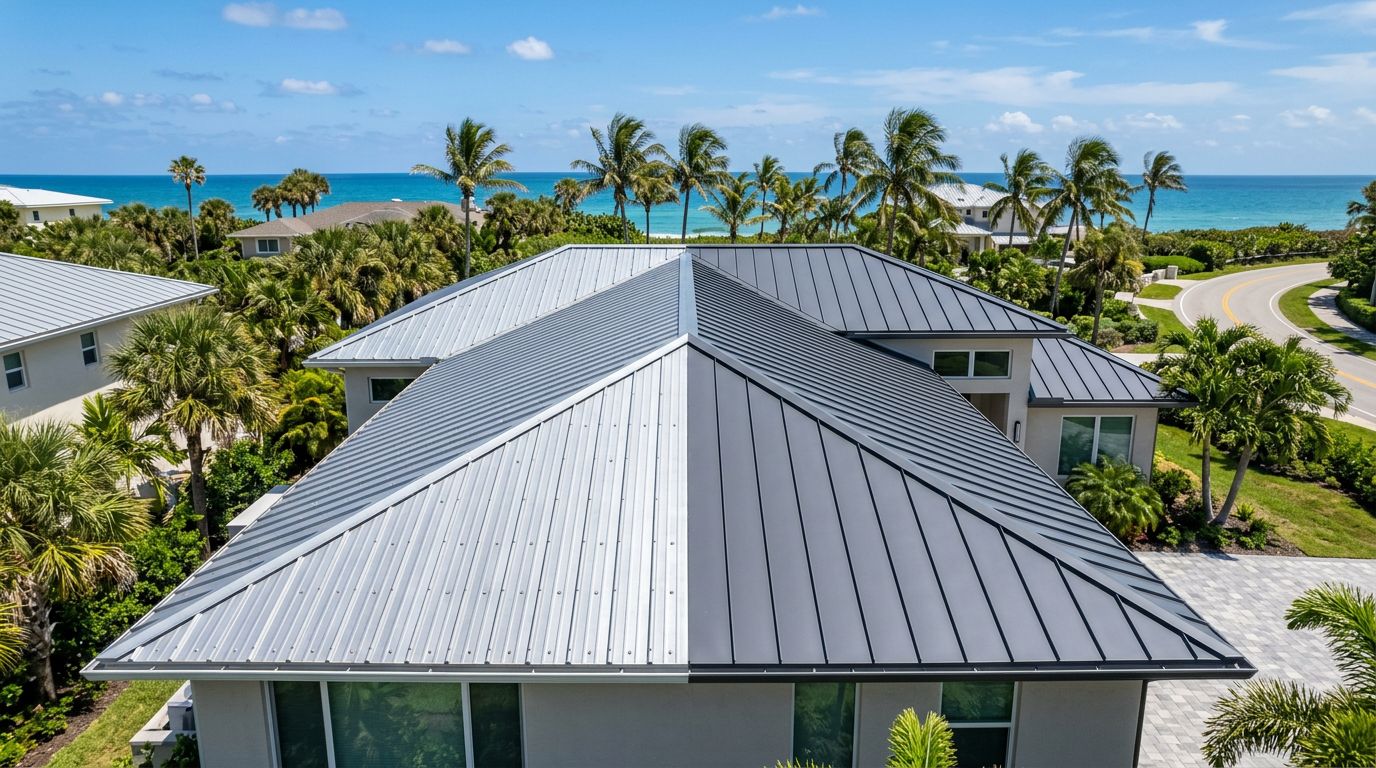
Florida roofs don't get an easy life. Between hurricanes, salty air, and wind-driven rain, the wrong metal profile can cost more than it saves.
That's why 5V crimp vs standing seam is more than a style choice. It affects how your roof handles fasteners, water, maintenance, and long-term cost.
If you're weighing both options, start with how each system is built, then match that to your location and budget. A helpful side-by-side comparison is 5V crimp vs standing seam for Central Florida homes.
How the Two Roofs Are Built
The biggest difference is simple. 5V crimp uses exposed fasteners, while standing seam hides the fasteners inside the panel seams.
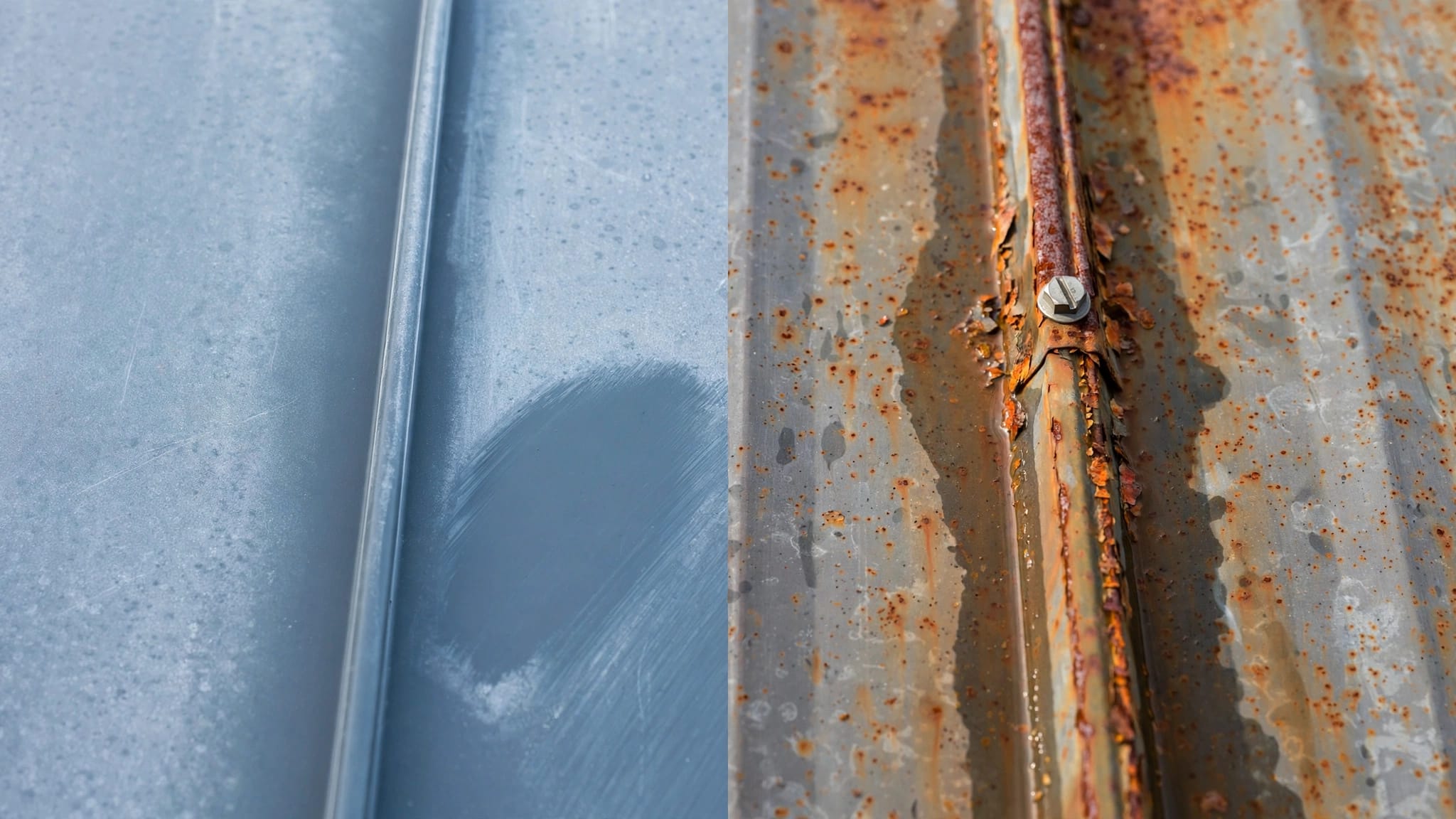
That one detail changes a lot. Exposed screws mean more visible attachment points and more routine inspection. Concealed clips on standing seam keep the fasteners out of the weather and out of the water path.
Here's a quick comparison.
| Feature | 5V Crimp | Standing Seam |
|---|---|---|
| Fasteners | Exposed screws and washers | Concealed clips and hidden attachment |
| Look | Traditional, clean, familiar | Sleeker, more modern |
| Maintenance | More frequent checks | Less routine upkeep |
| Water exposure at fasteners | Higher | Lower |
| Upfront cost | Usually lower | Usually higher |
The roof shape matters too. Some Florida homes with steeper slopes do fine with 5V crimp. Others, especially homes that face stronger wind exposure, are better served by standing seam.
If you're checking pitch before you choose panels, the minimum slopes for 5V crimp and standing seam are worth reviewing early in the process.
Why Florida Weather Pushes the Decision
Florida weather punishes weak points. A roof can look great on a calm day and still fail when wind pressure rises and rain starts blowing sideways.
Hurricane wind and wind-driven rain
Standing seam has an edge because the fasteners are hidden and protected. That helps reduce direct water exposure and lowers the chance of leaks around screw heads.
5V crimp can still perform well, but only when the system is designed and installed correctly. Fastener spacing, panel thickness, deck condition, and approved accessories all matter. If the screw pattern is off, performance drops fast. For more detail on that point, see the 5V crimp fastener placement guide for Florida roofs.
In Florida, the roof that costs less on day one can cost more if it needs frequent repair after every storm season.
A standing seam roof also handles expansion and contraction well. Metal moves with heat, and Florida heat is no joke. Hidden clips give the panel room to move without putting the fastener hole under as much stress.
Salt air and coastal wear
Coastal homes face another problem, corrosion. Salt air finds weak points fast, and exposed screws are among the first places that show wear.
Standing seam does better near the coast because fewer fasteners sit in open air. That doesn't make it maintenance-free, but it does lower the number of exposed parts that need attention. With 5V crimp, you'll want to inspect screws, washers, sealant, and any rust spots more often.
In inland Florida, 5V crimp can be a practical choice. Near the coast, standing seam usually makes more sense for long-term durability.
Code, Underlayment, and Real Ownership Costs
Florida code matters as much as the panel profile. Exact requirements depend on your wind zone, county rules, product approval, and the full roof assembly. In some coastal areas, the rules are stricter, and approved testing matters just as much as the panel itself.
That means you should ask about Florida Product Approval , and in higher-risk coastal zones, whether the system has the right approvals for your job. The roof is not just the metal. It includes the deck, fasteners, clips, flashing, closure details, and underlayment.
Underlayment is a big deal in Florida. Wind-driven rain can get under panels during a storm, so a strong secondary water barrier gives your home another layer of protection. Self-adhering underlayment or a sealed roof deck is often part of the system in wind-borne debris areas.
Long-term cost is where the systems separate further. 5V crimp usually costs less up front. That makes it appealing for homeowners who want metal roofing without the higher starting price of standing seam.
Still, lower upfront cost doesn't always mean lower total cost. 5V crimp may need more inspections, more fastener attention, and earlier repairs in harsh conditions. Standing seam usually asks for less maintenance, so the higher start price can make sense over time.
Which Roof Fits Your Florida Home?
The right answer depends on exposure, budget, and how long you plan to stay in the house.
Choose 5V crimp if:
- Your roof is a good pitch for it.
- You live farther inland with lower exposure.
- You want a lower material and install cost.
- You're comfortable with more maintenance checks.
Choose standing seam if:
- You live near the coast or in a high-wind area.
- You want fewer exposed fasteners.
- You care about lower maintenance over the years.
- You plan to keep the home long enough to benefit from the higher upfront investment.
If you're starting from product options, 5V panels for Florida roofs can help frame what a 5V system looks like in real materials.
The best roof is the one matched to your site conditions, not just your price target. A well-designed 5V roof can work well on the right home. A standing seam roof is the safer long-term bet when wind, rain, and salt air are part of the daily reality.
The Choice That Fits Florida Best
Florida homes need roofs that can take a beating and stay put. That's why the 5V crimp vs standing seam decision should start with weather exposure, not looks alone.
If budget is tight and the home is inland, 5V crimp can make sense. If you want stronger protection, less exposed hardware, and lower maintenance, standing seam is usually the better investment.
Either way, the system design, tested approvals, and installation quality decide how the roof performs when Florida weather turns rough.
Share Our Metal Roofing News Articles
Related Posts