How To Read A Metal Roofing Quote In Central Florida
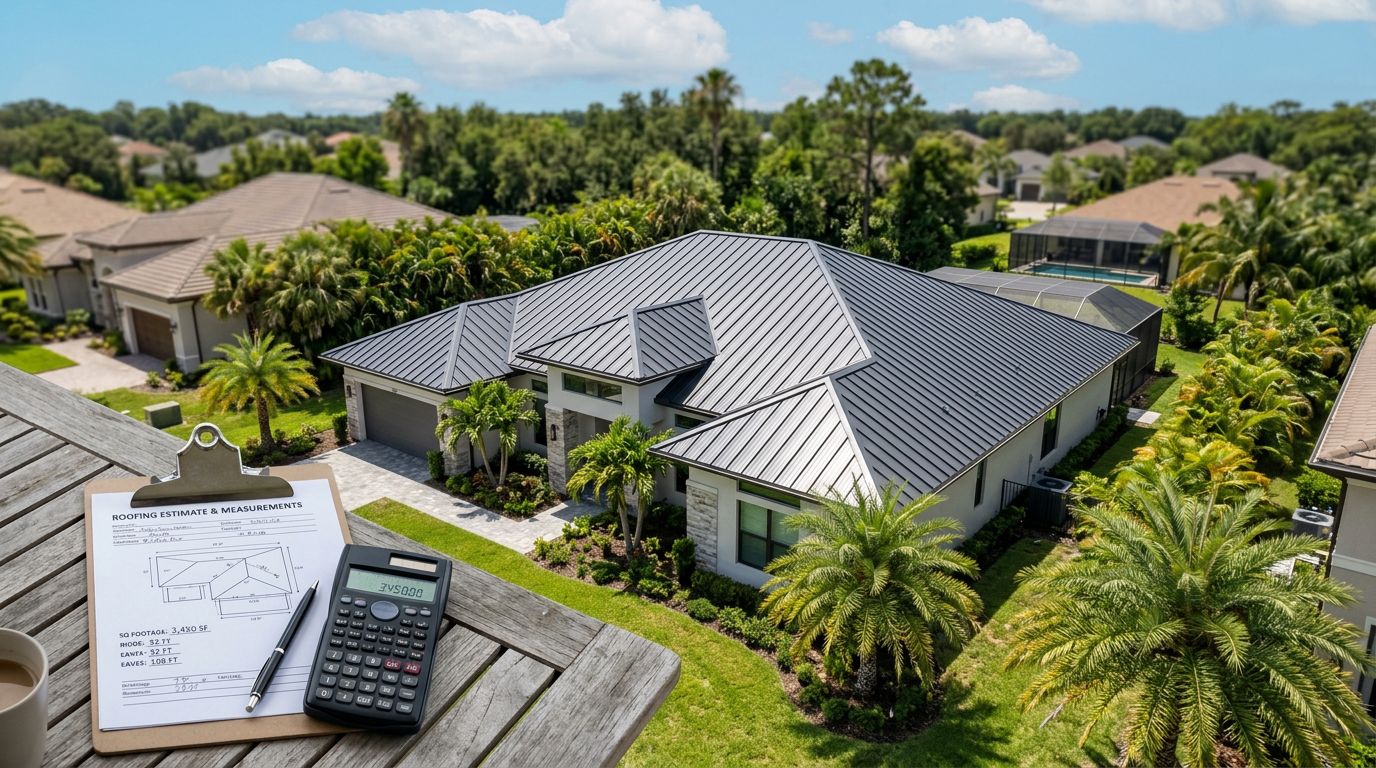
A metal roof quote can look like a simple number at the bottom of a page. But that number is really the end of a long recipe. If one ingredient is missing, the finished roof can leak, fail an inspection, or cost more later.
Central Florida roofs take a beating from heat, humidity, daily storms, and hurricane-season wind. So the details matter more here than they might in other states. The goal is to read your quote like a clear set of instructions, not like a mystery.
If you want "apples to apples" comparisons, start by making sure each quote describes the same roof system.
Confirm the scope, measurements, and assumptions first
Before you look at panel types or warranties, verify the quote matches your actual roof and your expectations.
A good metal roof quote clearly states:
- The roof area (usually in squares or square feet) and how it was measured (field measure, aerial, plans).
- The roof pitch and any special conditions (low-slope areas, dormers, skylights, chimneys).
- Whether pricing includes waste factor (extra material for cuts and errors).
- Whether the quote includes tear-off of the existing roof and disposal, or if it's a layover.
- What happens if the crew finds bad decking (priced per sheet, or an allowance).
If the quote doesn't say what happens when rotten decking is found, assume it becomes a surprise charge.
Also check the "small" line items that change the real total:
- Mobilization (delivery, staging, equipment)
- Protection (landscaping, pool screens, driveway)
- Cleanup (magnet sweep for nails, haul-away)
Finally, review the payment schedule. You want clear milestones (deposit, material delivery, dry-in, final inspection), not vague language.
Understand how the quote is priced (and where add-ons hide)
Not every metal roof quote uses the same format. Two totals can look close while the scopes are far apart.
Common pricing styles include:
- Lump sum : One total for the whole job. This is simple, but only safe when the scope is very detailed.
- Per square foot : Helpful for comparing, but it can hide missing items (trim, underlayment upgrades, ventilation).
- Base price plus options : Often used when panel type, underlayment, or finishes are still being decided.
Watch for allowances and exclusions, because that's where budgets blow up. A few examples:
- " Wood replacement as needed " (ask for a per-sheet price and a cap)
- " Flashing by others " (that's a big red flag on a roof)
- " Permit not included " (can delay the project and add costs)
If you're comparing bids, ask each contractor to list exclusions in plain English. It turns the quote into something you can actually compare.
Decode the panel line items: profile, gauge, finish, and approvals
This is the part most homeowners skip, and it's where big performance differences show up.
Panel profile (what it is in plain English)
The "profile" is the panel shape and how it sheds water.
- Standing seam : Raised seams, typically concealed fasteners, cleaner look, fewer exposed penetrations in the field.
- 5V crimp / exposed-fastener panels : Screws are visible, classic Florida look, usually lower upfront cost.
If you need a quick primer on which style fits common homes in this region, see comparing metal roof panel types for Florida homes.
Gauge (thickness)
Gauge is thickness. Lower number usually means thicker metal (for steel panels). Quotes should name the gauge (like 24 ga or 26 ga) instead of "heavy-duty."
If the gauge is missing, you can't fairly compare prices.
Paint system and finish
Central Florida sun is tough on coatings. Your quote should state the finish type (for example, PVDF/Kynar versus SMP) and the color family if it impacts price.
Wind and product approval language
Florida cares about tested assemblies. Your quote should reference the panel's Florida Product Approval (often called FPA) when applicable, plus any system approval paperwork used for permitting.
If you're looking at 5V, it helps when the quote points to Florida approval documentation like the 26 ga product approval information shown on Florida-approved 5V crimp panels.
What to look for in the wind language:
- Mentions of wind uplift ratings or compliance with local design wind speeds
- Confirmation the entire assembly matches approval requirements (panel, fasteners, spacing, substrate)
If the quote only says "hurricane rated" without details, treat it like marketing, not documentation.
Underlayment, flashing, and accessories: the "leak prevention" lines
If panels are the skin, underlayment and flashing are the waterproofing layer underneath. In Central Florida, they're the difference between "looks good" and "stays dry."
Underlayment should be listed by type and brand or spec. If you want to understand options for this climate, read best underlayment for Central Florida metal roofs.
Here's what a tight, readable quote often includes, with example line items:
| Quote line item | What it means | What to verify |
|---|---|---|
| Synthetic underlayment, install included | Secondary water barrier under panels | Type, tear resistance, high-temp rating |
| Peel-and-stick membrane at eaves/valleys | Self-adhered waterproof layer in risky areas | Locations and coverage, not just "as needed" |
| Drip edge and eave trim | Directs water into gutters | Metal type, color match, full perimeter scope |
| Valley flashing (open valley) | Handles heavy water flow where roof planes meet | Gauge, width, hemmed edges, underlayment tie-in |
| Pipe boots and penetration flashing | Seals around plumbing vents | Brand/type, size list, UV resistance |
| Fasteners, closures, sealant package | The small parts that stop wind-driven rain | Fastener spec, washer type, closure locations |
A quote can fail you by not listing the details. Here's what to watch for, and what can go wrong if it's missing:
- No underlayment spec : You may get the cheapest option, and heat can shorten its life.
- No valley/flashing detail : Leaks often start at transitions, not in the middle of a panel.
- No closure strips listed : Wind-driven rain can push up under panel ribs.
- Fasteners not specified : Wrong screws or washers can back out, rust, or leak early.
- No ventilation plan : Heat and moisture build-up can damage decking and raise cooling costs.
For a deeper rundown of the parts that tend to get skipped, see essential metal roofing accessories in Florida.
Permits, warranty terms, and the paperwork to request
Central Florida permitting is not optional for most re-roofs, and your metal roof quote should say who pulls the permit and what inspections are included.
Also read warranty lines carefully. Many people hear "40-year warranty" and stop there. Instead, ask what's covered:
- Paint warranty (fade and chalk) is different from rust-through .
- A workmanship warranty is separate from the panel manufacturer warranty.
- "Weathertight" coverage may exclude penetrations, sealants, or owner-added items.
Request documentation up front, not after the deposit:
- Product data sheets for panels, underlayment, fasteners, and sealants
- Florida Product Approval numbers or approval packages used for the permit
- Installation manual for the exact panel profile and attachment method
- Warranty PDFs (manufacturer and installer)
- Permit copy and final inspection sign-off when the job is complete
If you want context for why pricing swings so much from quote to quote, this breakdown helps: metal roof cost breakdown Florida.
FAQ: Quick answers that explain price differences
Why is one metal roof quote thousands less?
Usually it's missing scope, underlayment upgrades, trim, or proper flashing. Sometimes it's thinner metal or a lower-grade finish.
Is 24 ga always better than 26 ga?
Not always, but thicker panels often resist denting better. The "best" choice depends on profile, substrate, approval requirements, and budget.
What underlayment is best in Central Florida?
Many homeowners choose synthetic, and peel-and-stick in high-risk areas. The right pick depends on roof slope, heat exposure, and how the system is approved.
What does "rated for 160 mph" really mean?
It should tie back to a tested assembly and approval method. Ask for the approval paperwork and the fastener spacing used to reach that rating.
How do I compare warranty terms correctly?
Compare coverage types (paint, corrosion, weathertight, workmanship), exclusions, and transfer rules. Also confirm required maintenance so you don't void coverage.
Conclusion
Reading a metal roof quote is less about spotting a low number and more about spotting a complete roof system. In Central Florida, the best quotes spell out panel specs, approvals, underlayment, flashing details, and exactly what happens when the deck needs work. Ask for the paperwork, compare line items, and you'll choose based on clarity, not guesswork.
Share Our Metal Roofing News Articles
Related Posts