An In-depth Look into the Environmental Benefits of Metal Roofing
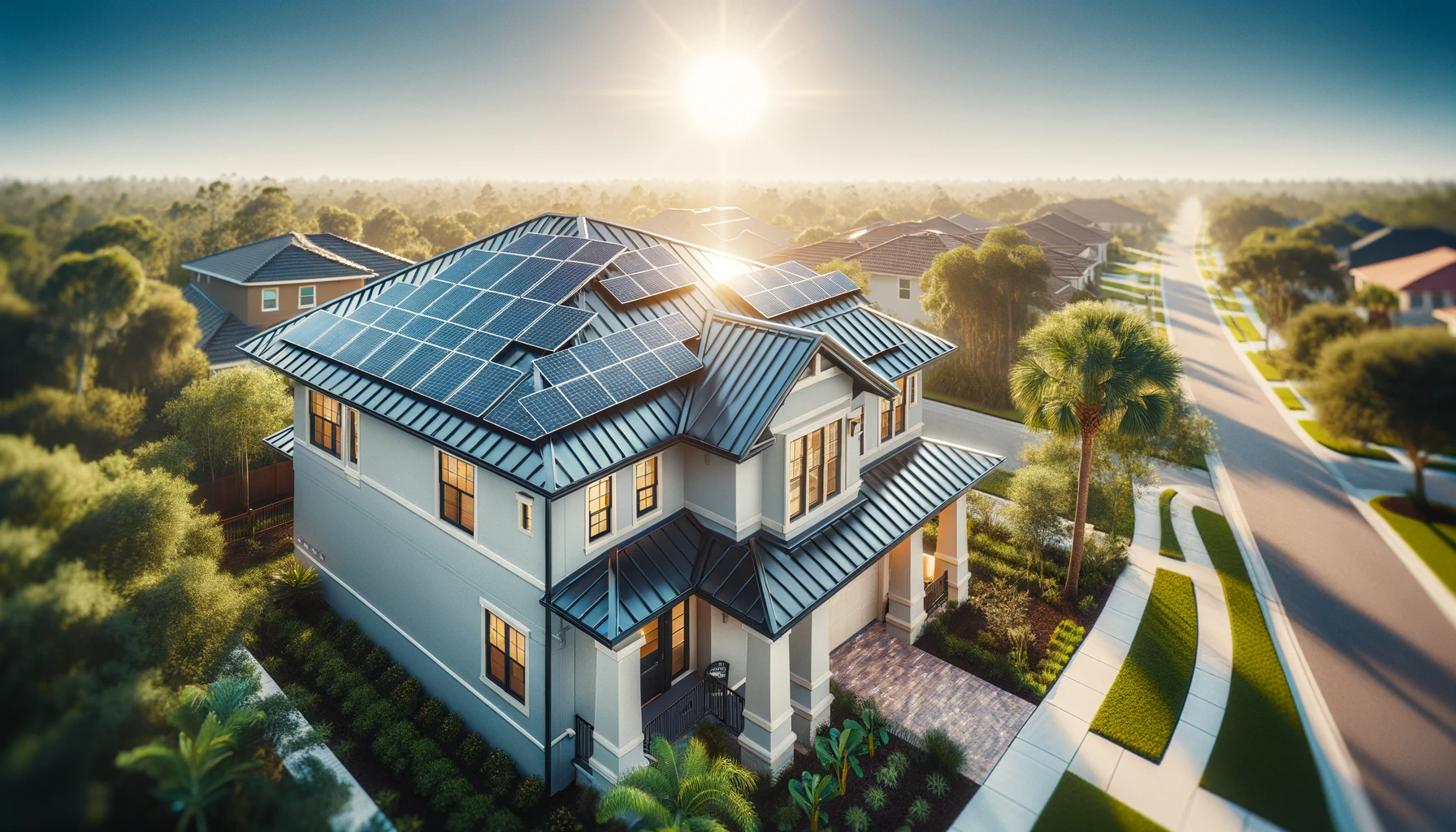
In today’s age of heightened global climate awareness, more and more homeowners, businesses, and farmers are looking for eco-conscious solutions for their properties. One remarkable solution lies above our heads: metal roofing. This blog will delve into the profound environmental impact of choosing metal roofs, proving it to be not just a durable and versatile roofing option but also a sustainable one.
Metal roofing’s sustainability begins with the very materials it’s made of. Unlike traditional shingle roofing materials, a significant percentage of the metal used in metal roofing is often made from recycled content and can be recycled again at the end of its life. This recycling loop helps decrease the amount of new material produced and reduces landfill waste.
Next, the energy efficiency of metal roofing in both hot and cold climates significantly reduces energy costs and carbon footprints. Metal roofs are adept at reflecting solar radiant heat during summer, which cuts cooling costs. In contrast, during winter, insulated metal roofs retain heat inside the building, reducing heating expenditure.
Additionally, contemporary innovations in metal roof installment techniques have made it possible to install metal roofing over existing roofs, reducing waste and limiting the consumption of fresh materials. This overlay installation method also saves energy that would otherwise be used to remove and dispose of the old roof.
Lastly, the extraordinary lifespan of metal roofing – twice or even three times longer than traditional roofing materials – reduces the frequency of roof replacement, thereby minimizing the ecological impact associated with roof installations.
In this blog post, we will expansively explore these aspects, explaining why and how metal roofing outperforms other materials in its environmental impact. By understanding the environmental benefits of metal roofing, you will be able to make a well-informed, responsible choice for your home, business, or agricultural property.
1. Recycling and Responsible Manufacturing
Metal roofing materials are typically made of steel, aluminum, copper, or zinc, each boasting a high recycling rate. With steel and aluminum metal roofing, for instance, up to 95% of the content used can be recycled. This reduces the need for virgin materials, thus saving natural resources and energy.
Moreover, metal roofs are almost entirely recyclable at the end of their service life. This characteristic significantly reduces landfill waste, as materials can be continually reused in new metal roofing panels or other products. In contrast, traditional shingles contribute tons of waste to landfills annually, significantly impacting the environment.
2. Energy Efficiency and Cost Savings
One of the most significant environmental advantages of metal roofing is its energy efficiency. Metal roofs reflect solar radiant heat, cutting down the heat transferred into your building during hot months. This thermal performance leads to reduced energy consumption needed for air conditioning, slashing cooling costs and carbon emissions.
Apart from their heat-reflective qualities, metal roofs can be outfitted with special coatings or finishes to further optimize their energy efficiency. Cool metal roofing coatings with high solar reflectance and thermal emittance values can exceed ENERGY STAR requirements, making them an excellent choice for eco-conscious home and business owners.
During colder months, insulated metal roofs retain heat within the building, reducing energy consumption and heating costs. This efficiency works together with your building’s insulation, resulting in a lower overall energy footprint throughout the year.
3. Installation Techniques and Waste Reduction
Modern metal roofing installation techniques now allow for placing new metal roofing over existing roofing systems. Installing a metal roof atop an existing non-metal roof eliminates the need for removing and disposing of the old roofing material, significantly reducing construction waste.
This overlay installation technique not only saves energy and resources associated with the removal and disposal process but also offers added insulation and sound-dampening qualities. Furthermore, because metal roofing is lightweight compared to traditional roofing materials, the added weight does not cause extra stress on buildings.
4. Impressive Lifespan and Reduced Consumption
Metal roofing systems have an exceptional lifespan of up to 50 years – and even over 100 years for materials like copper and zinc – far exceeding the average longevity of traditional roofing materials. With proper maintenance, metal roofs can last twice or even three times longer than traditional options. This lower replacement frequency reduces the environmental impact and energy consumption related to roof installations and manufacturing.
This durability is particularly beneficial in regions prone to extreme weather events, such as hurricanes, tornadoes, hail, and heavy snowfalls. A metal roof’s ability to withstand these conditions minimizes the need for repairs or replacements, allowing property owners to enjoy long-term cost savings while practicing eco-friendly stewardship.
Making an Eco-Friendly Choice with Metal Roofing
The many environmental benefits of metal roofing underscore the material’s position as a sustainable and responsible choice for property owners. From its responsible manufacturing and recycling practices to its energy efficiency, waste-reduction installation techniques, and impressive lifespan, metal roofing demonstrates a strong commitment to eco-conscious construction and resource management.
By opting for a metal roofing solution, you will not only protect your property and enjoy long-term cost savings but also contribute to preserving the environment for future generations. Mid Florida Metal Roofing Supply, Inc. is a manufacturer dedicated to providing top-quality, environmentally-friendly metal roofing products, assisting you in embracing green building practices and reducing your carbon footprint. With our expert guidance and high-performance products, you can feel confident in making an eco-friendly choice for your residential, commercial, or agricultural property.
Share Our Metal Roofing News Articles
Related Posts