The Benefits of Choosing Metal Roofing for Your Home
What is Metal Roofing?
Metal roofing is a modern, durable, and versatile roofing option that has gained significant popularity among homeowners in recent years. Unlike traditional roofing materials such as asphalt shingles, clay tiles, or wood shakes, metal roofing is crafted from high-quality metals like steel, aluminum, copper, and zinc. These materials are engineered to provide superior performance and longevity, making them a standout choice for residential and commercial properties alike.
One of the key differences between metal roofing and other options lies in its construction. Metal roofs are typically installed in large panels or individual shingles, depending on the style chosen. They are designed to interlock tightly, creating a seamless barrier against the elements. This contrasts with asphalt shingles, which are layered and more prone to gaps and leaks over time. Additionally, metal roofing offers a sleek, modern aesthetic that can be customized to suit a variety of architectural styles, from contemporary to traditional.
Homeowners are increasingly drawn to metal roofing for its combination of durability, energy efficiency, and low maintenance. While the initial investment may be higher than other materials, the long-term benefits often outweigh the upfront costs. Whether you're building a new home or replacing an aging roof, metal roofing is a forward-thinking choice that delivers exceptional value.
Durability and Longevity
One of the most compelling reasons to choose metal roofing is its unparalleled durability and longevity. While traditional roofing materials like asphalt shingles typically last 15-30 years, metal roofs can endure for 40-70 years or more with proper care. This extended lifespan makes metal roofing a cost-effective investment for homeowners who want to avoid frequent replacements.
Metal roofs are designed to withstand a wide range of environmental challenges. They are highly resistant to weather elements such as heavy rain, snow, hail, and high winds. Unlike asphalt shingles, which can crack or curl under extreme conditions, metal roofing maintains its structural integrity even in the harshest climates. Additionally, metal is impervious to pests like termites and rodents, which can wreak havoc on wood-based roofing materials.
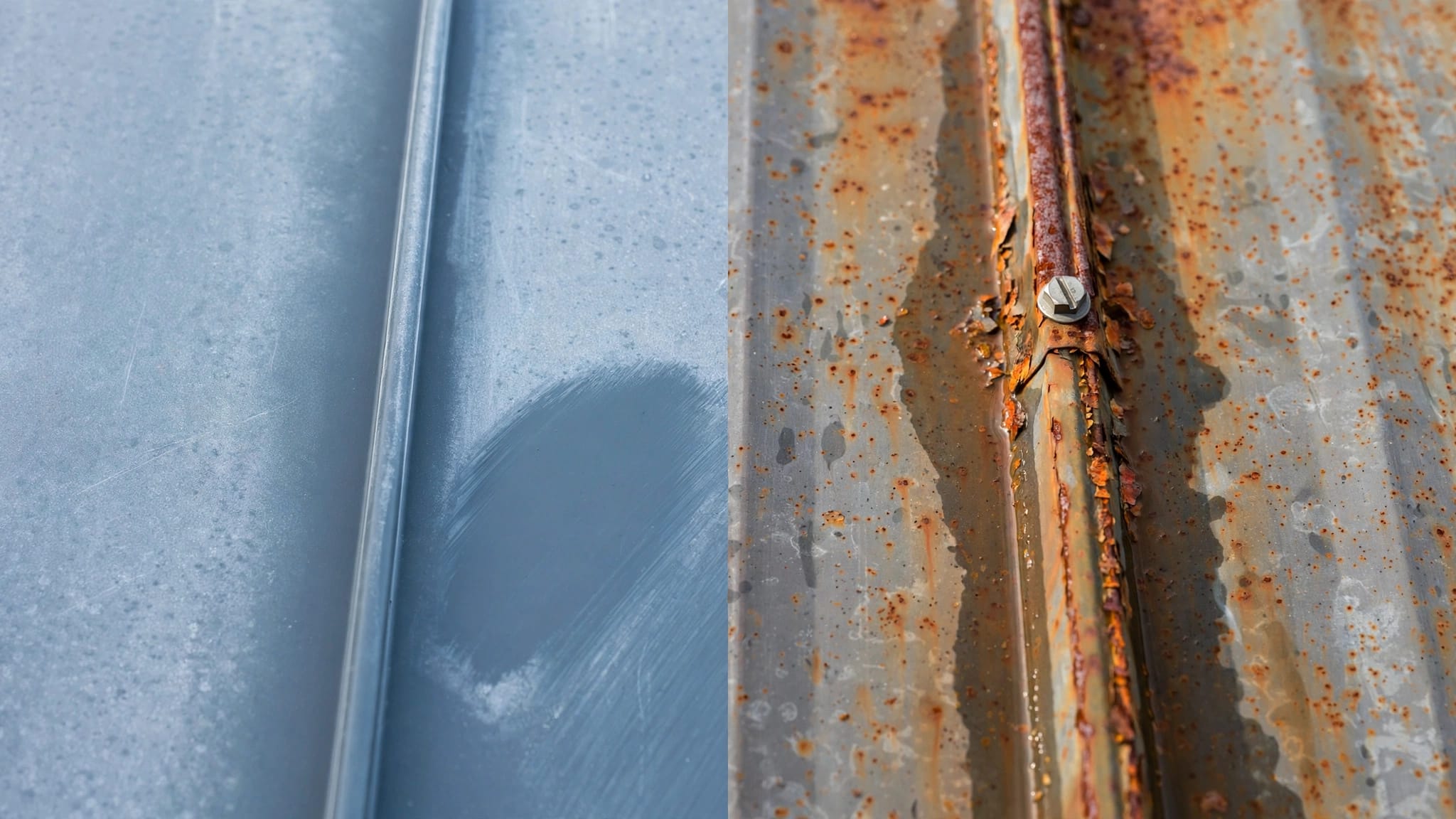
Another advantage of metal roofing is its resistance to corrosion and rust. Modern metal roofs are coated with protective finishes, such as galvanized or galvalume coatings, that prevent oxidation and ensure long-lasting performance. This makes them an excellent choice for homes in coastal areas or regions with high humidity. With minimal wear and tear over time, metal roofing offers peace of mind and a reliable shield for your home.
Energy Efficiency and Sustainability
Metal roofing is not only durable but also highly energy-efficient, making it an eco-friendly choice for homeowners looking to reduce their carbon footprint. One of the standout features of metal roofing is its ability to reflect solar heat, a property known as "cool roofing." Unlike asphalt shingles, which absorb and retain heat, metal roofs reflect a significant portion of the sun's rays, helping to keep your home cooler during hot summer months.
This reflective quality can lead to substantial energy savings. By reducing the amount of heat that enters your home, metal roofing can lower cooling costs by up to 25%. This is particularly beneficial in regions with hot climates, where air conditioning expenses can quickly add up. Additionally, many metal roofs are designed with insulation layers that further enhance their energy efficiency, providing year-round comfort and savings.
From a sustainability perspective, metal roofing is a standout option. Most metal roofs are made from recycled materials, and at the end of their lifespan, they can be fully recycled again. This reduces the amount of waste sent to landfills, unlike asphalt shingles, which often contribute to significant environmental waste. By choosing metal roofing, you're not only investing in your home but also supporting sustainable building practices.
Low Maintenance Requirements
One of the most appealing aspects of metal roofing is its low maintenance requirements. Unlike other roofing materials that may require frequent repairs or replacements, metal roofs are designed to be virtually maintenance-free. This makes them an ideal choice for busy homeowners who want a hassle-free roofing solution.
Metal roofs are resistant to common issues like cracking, warping, and splitting, which are often seen in asphalt shingles or wood shakes. They are also less prone to algae and moss growth, which can discolor and damage traditional roofing materials. With a metal roof, you won't need to worry about regular cleaning or treatments to maintain its appearance and functionality.
In most cases, the only maintenance required for a metal roof is an occasional inspection to ensure that fasteners and seals are secure. If debris such as leaves or branches accumulates, a simple rinse with a garden hose is usually sufficient to clear it away. This minimal upkeep not only saves time and effort but also reduces long-term maintenance costs, making metal roofing a practical and cost-effective choice.
Enhanced Safety Features
Safety is a top priority for any homeowner, and metal roofing excels in this area. One of its most notable safety features is its fire resistance. Unlike wood shakes or asphalt shingles, which can ignite easily, metal roofs are non-combustible and have a Class A fire rating—the highest rating available. This makes them an excellent choice for homes in wildfire-prone areas or regions with strict fire safety regulations.
In addition to fire resistance, metal roofing is designed to withstand extreme weather conditions. Its interlocking panels provide a secure barrier against high winds, heavy snow, and hail. Many metal roofs are tested to withstand wind speeds of up to 140 miles per hour, offering peace of mind during storms and hurricanes. Furthermore, metal roofing is less likely to suffer damage from falling debris, such as tree branches, thanks to its robust construction.
For homeowners concerned about lightning strikes, it's worth noting that metal roofs do not increase the likelihood of a strike. In fact, they can safely disperse the energy of a lightning strike without catching fire, making them a safer option than many other materials.
Aesthetic Versatility
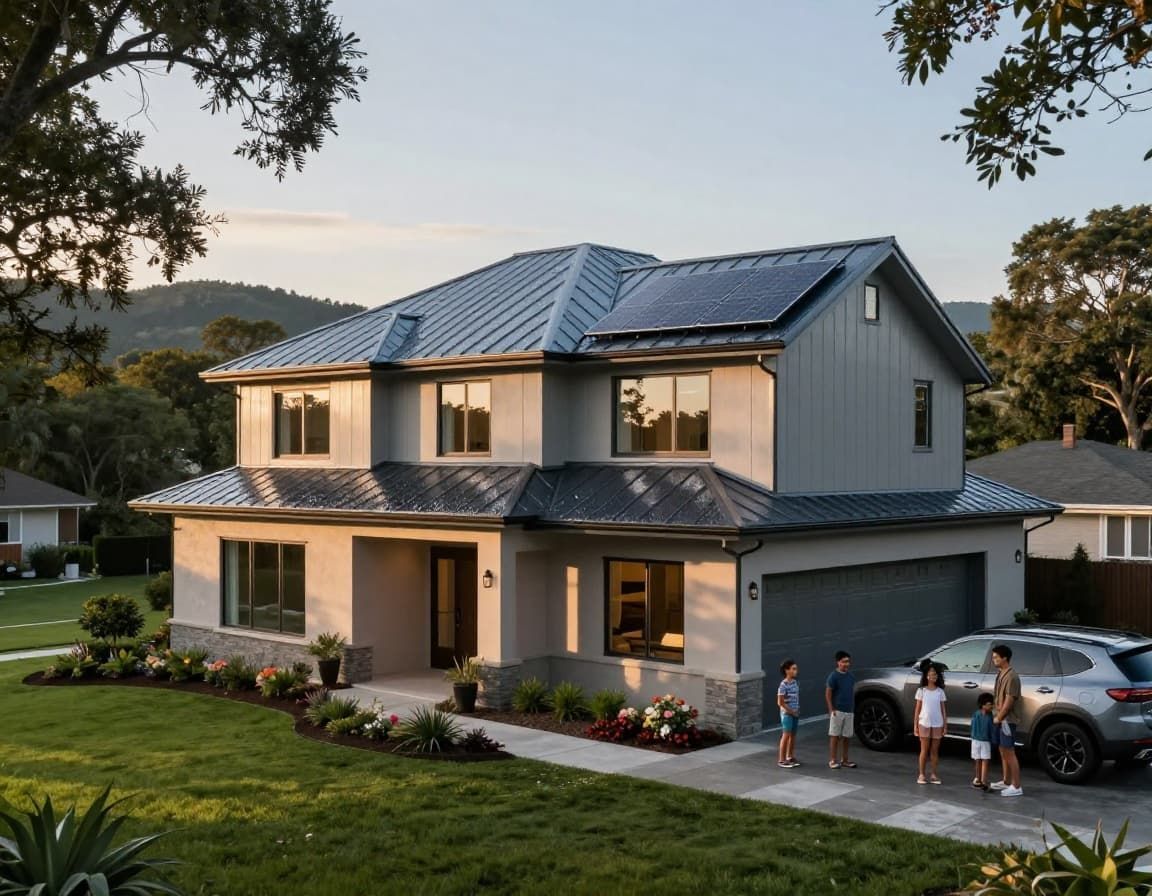
Gone are the days when metal roofing was associated solely with industrial or utilitarian designs. Today, metal roofing offers a wide range of styles, colors, and finishes, allowing homeowners to customize their roof to complement their home's architecture and personal taste. Whether you prefer the sleek look of standing seam panels or the classic charm of metal shingles that mimic wood or slate, there's a metal roofing option to suit every aesthetic.
Metal roofs are available in an array of colors, from neutral tones like gray and beige to bold hues like red and green. Advanced coating technologies ensure that these colors remain vibrant and resistant to fading over time. Additionally, homeowners can choose from various finishes, such as matte, glossy, or textured, to achieve their desired look.
This versatility makes metal roofing a popular choice for both modern and traditional homes. Whether you're aiming for a contemporary design or a rustic farmhouse vibe, metal roofing can enhance your home's curb appeal and make a lasting impression.
Cost-Effectiveness Over Time
While the upfront cost of metal roofing may be higher than other materials, its long-term cost-effectiveness is undeniable. The extended lifespan of metal roofs means that homeowners can avoid the expense of frequent replacements, which are often required with asphalt shingles or wood shakes. Over the course of several decades, this can result in significant savings.
In addition to reduced replacement costs, metal roofing offers lower maintenance expenses. Its durability and resistance to common issues like leaks, cracks, and moss growth mean that homeowners can spend less on repairs and upkeep. Furthermore, the energy efficiency of metal roofing can lead to lower utility bills, providing ongoing financial benefits.
When you factor in these long-term savings, the initial investment in metal roofing becomes a smart and economical choice. It's a durable, low-maintenance solution that pays for itself over time, making it a wise investment for any homeowner.
Environmental Impact
Metal roofing is an environmentally friendly option that aligns with sustainable building practices. As mentioned earlier, most metal roofs are made from recycled materials, and they can be fully recycled at the end of their lifespan. This reduces the demand for raw materials and minimizes waste, making metal roofing a more sustainable choice than asphalt shingles, which often end up in landfills.
Additionally, the energy efficiency of metal roofing contributes to a reduced carbon footprint. By reflecting solar heat and lowering cooling costs, metal roofs help conserve energy and reduce greenhouse gas emissions. Some metal roofing systems are even compatible with solar panels, further enhancing their eco-friendly credentials.
For homeowners who prioritize sustainability, metal roofing is a clear winner. It combines durability, energy efficiency, and recyclability to create a roofing solution that benefits both your home and the environment.
Installation Considerations
While metal roofing offers numerous benefits, proper installation is crucial to ensure its performance and longevity. Metal roofs require specialized knowledge and tools, so it's essential to hire a professional contractor with experience in metal roofing installation. A poorly installed metal roof can lead to issues such as leaks, noise, and reduced durability.
Before choosing metal roofing, homeowners should consider factors such as the slope of their roof, local building codes, and the specific type of metal roofing that best suits their needs. It's also important to discuss warranty options with your contractor, as many manufacturers offer warranties that cover defects and performance issues.
By working with a qualified professional and carefully planning your installation, you can enjoy the full benefits of metal roofing and ensure a smooth, hassle-free process.
Common Misconceptions About Metal Roofing
Despite its many advantages, metal roofing is often misunderstood. One common myth is that metal roofs are noisy during rain or hail. In reality, when installed with proper insulation and underlayment, metal roofs are no louder than other roofing materials. Another misconception is that metal roofs are prone to rust. Modern metal roofs are coated with protective finishes that prevent rust and corrosion, even in humid or coastal environments.
Some homeowners also believe that metal roofing is prohibitively expensive. While the upfront cost may be higher, the long-term savings on maintenance, energy bills, and replacements make it a cost-effective choice. By addressing these misconceptions, homeowners can make informed decisions and appreciate the true value of metal roofing.
Share Our Metal Roofing News Articles
Related Posts