Snap-Lock vs. Mechanical-Seam Standing Seam in Central Florida, Which Holds Up Better in Heat and Storms
Central Florida roofs live a rough life. One day it’s bright sun baking the deck, the next it’s sideways rain and gusts that make palms lean. A standing seam metal roof can handle it, but the details decide whether it stays tight and quiet for decades.
Homeowners often ask about standing seam snap lock vs mechanical seam because both look similar from the yard. Up close, they behave differently when metal expands in heat and when wind tries to pry panels upward. The best choice isn’t just “snap or seam.” It’s the right tested system, with the right clips, gauge, seam height, and install details for your home.
Florida heat: thermal movement, clips, and the “wavy roof” question
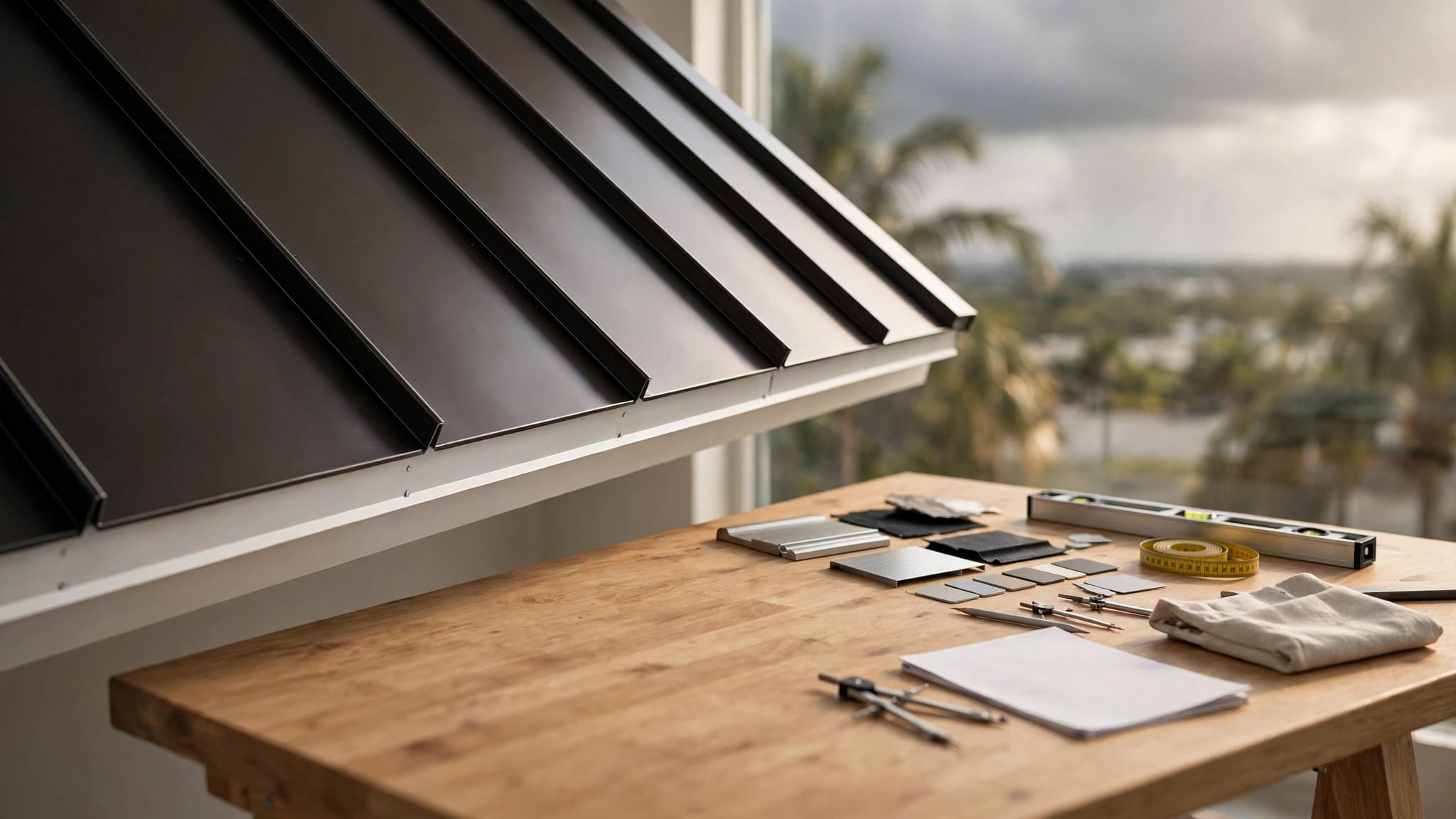
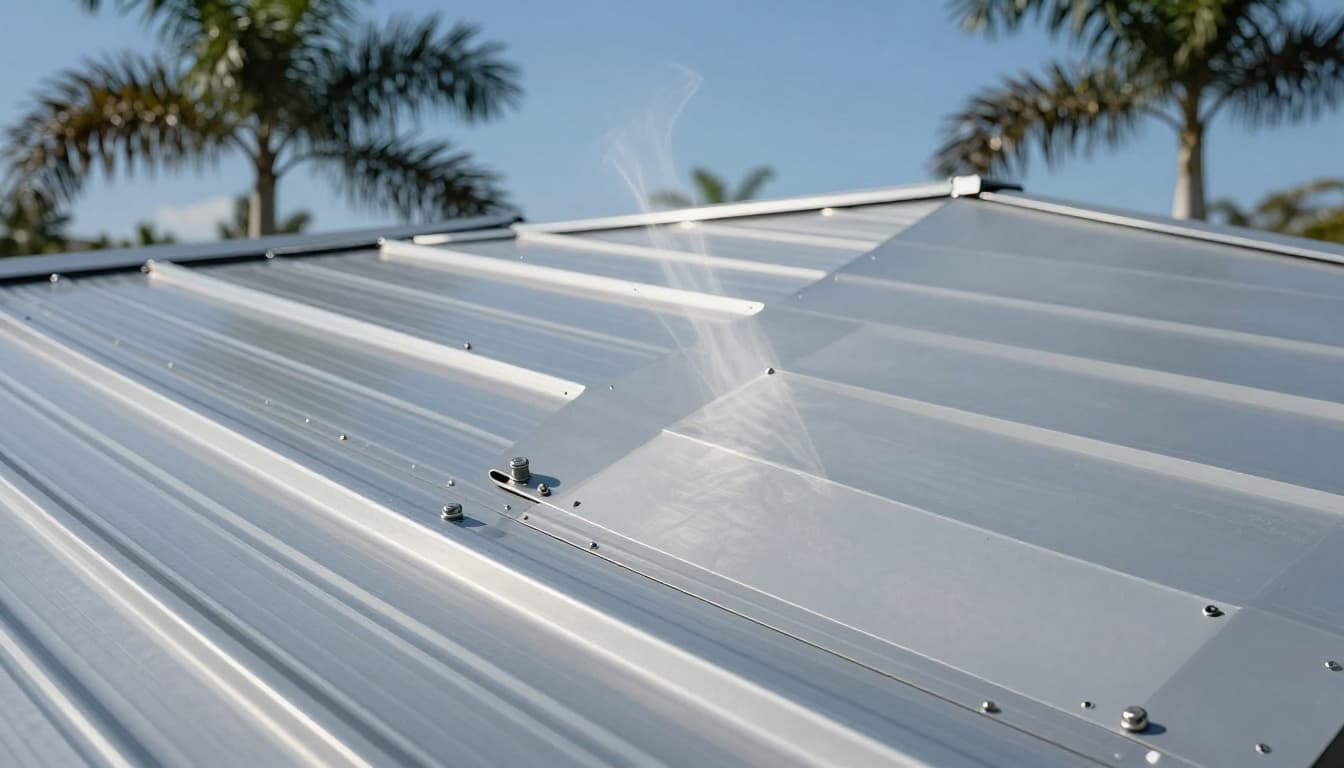 Side-by-side look at oil canning risk and heat-driven movement, created with AI.
Metal roofing moves. On a sunny day, panel temperatures can climb far above the air temperature, then cool fast after a storm. That expansion and contraction is normal, but it has to be planned for. Think of it like a long bridge, it needs room to shift without cracking.
Snap-lock standing seam relies on panels snapping together along the seam. Many snap-lock profiles are designed for steep-slope homes and good drainage, with a strong focus on speed of installation and clean looks. In Central Florida heat, snap-lock can perform very well when it’s paired with the right clip package and installed exactly per the approved assembly.
Mechanical-seam standing seam (often a single-lock or double-lock seam formed with a seaming tool) usually gives you more tolerance for movement and more ways to tighten up the system. The seam is folded and locked, not just snapped, which can help keep the roof stable as panels cycle through hot and cool days.
Where heat really shows up is in three places:
- Clip choice (fixed vs. floating) : Floating clips let the panel slide as it expands, reducing stress at fasteners and seams. Fixed clips can be used in some systems, but they can also concentrate movement, which may lead to noise, distortion, or fastener issues if misapplied.
- Panel gauge and stiffness : Thicker panels tend to look flatter and resist oil canning better. Oil canning is often cosmetic, but it can bother homeowners who expect a perfectly smooth roof plane.
- Panel length and layout : Longer runs mean more total movement. A good installer plans for that with clip selection, clip spacing, and proper detailing at eaves, ridges, and transitions.
If you want the cleanest look in harsh sun, talk about gauge, substrate, and clip design early. A beautiful standing seam roof is as much about hidden parts as the metal you see.
Storm reality: wind uplift and wind-driven rain at the seams
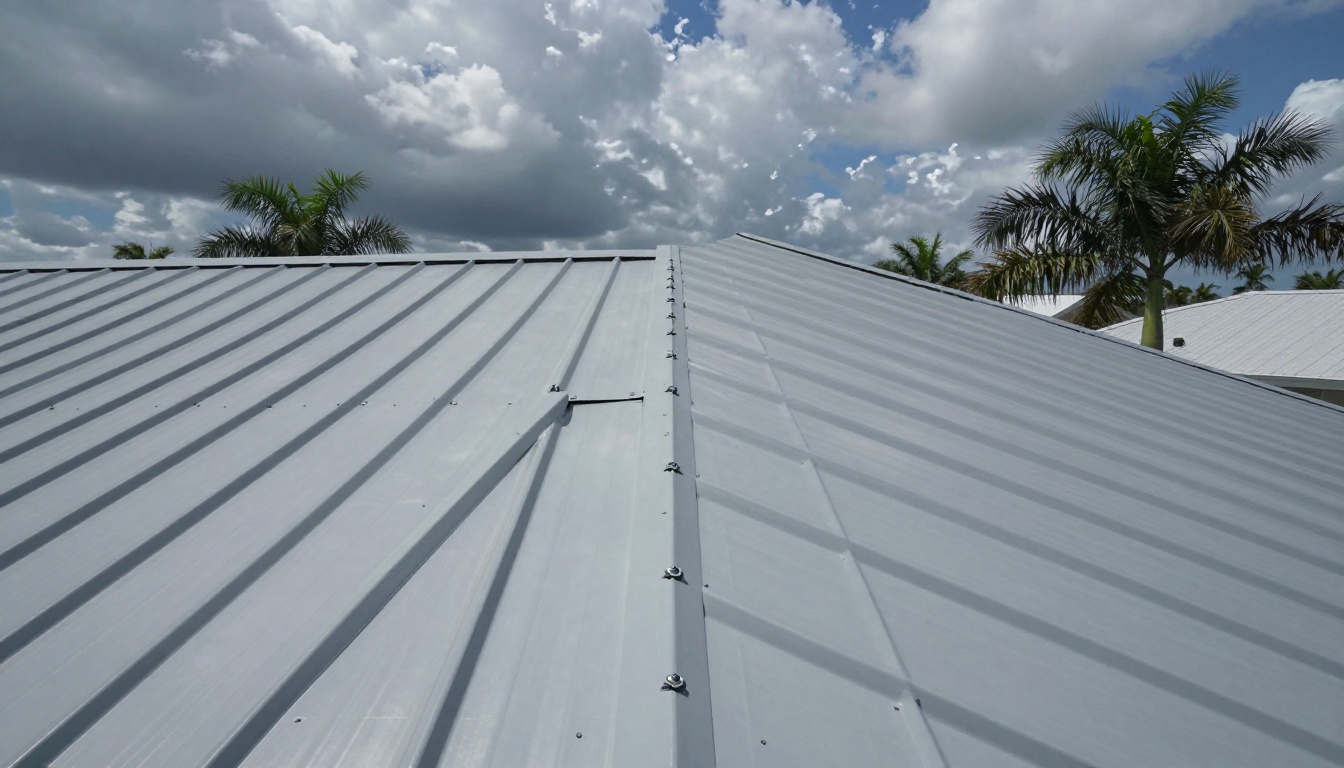
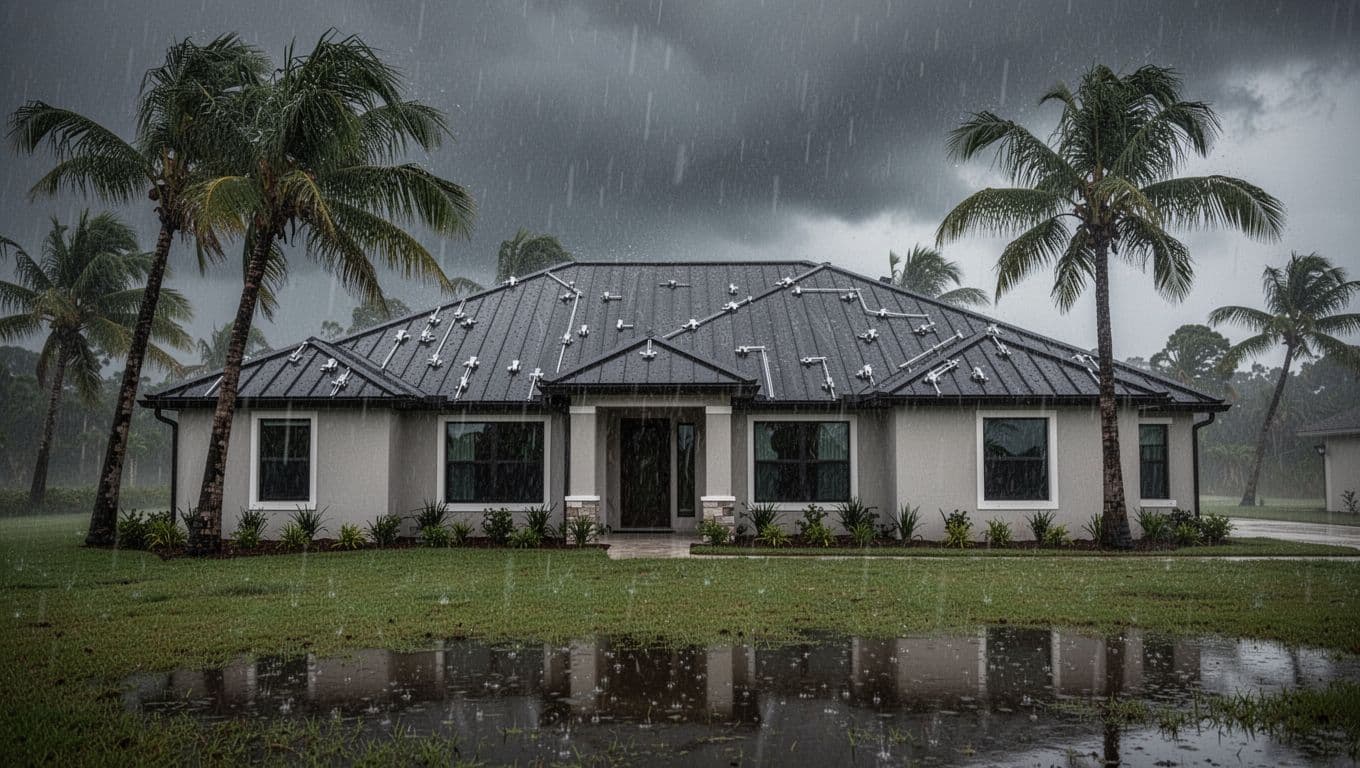 Standing seam panels shedding wind-driven rain during a tropical storm, created with AI.
In a Florida storm, water doesn’t just fall down. It gets pushed sideways, up-slope, and under edges. At the same time, wind creates uplift pressures that try to peel roof panels off the deck. That’s why Florida requires roof systems to be installed as tested and approved assemblies , not as a mix-and-match of parts.
Mechanical seaming can offer an edge here because a properly formed seam creates a tighter, more “closed” connection. It’s a bit like crimping the lid on a paint can versus snapping on a food container. Both can close, but one is harder to pry open.
Here’s where mechanical-seam systems often shine in Central Florida conditions, when properly specified:
- Better resistance to wind-driven rain at the seam : A formed lock reduces the chance of the seam working open under flutter and suction.
- Higher uplift performance potential : Many high-wind approvals and engineered assemblies use mechanically seamed profiles, along with specific clips and spacing patterns, to meet required design pressures.
Snap-lock systems can still be storm-ready, but they’re less forgiving of small errors. If the snap isn’t fully engaged, if clips are off-line, or if edge detailing is weak, storms find those weak spots.
Slope matters too. Many snap-lock profiles are intended for steeper slopes, while some mechanically seamed profiles can be approved for lower slopes when installed with the right details. For low-slope or storm-exposed areas, sealant-in-seam is sometimes specified to improve water tightness. That’s not a shortcut, it’s a design choice that must match the product approval and manufacturer instructions.
Also, don’t ignore the “boring” parts: underlayment type and attachment, eave and rake metal, drip edge, transition flashings, and how terminations are hemmed and sealed. In hurricanes, edge details often take the beating first.
Which should you choose, and what to demand in bids
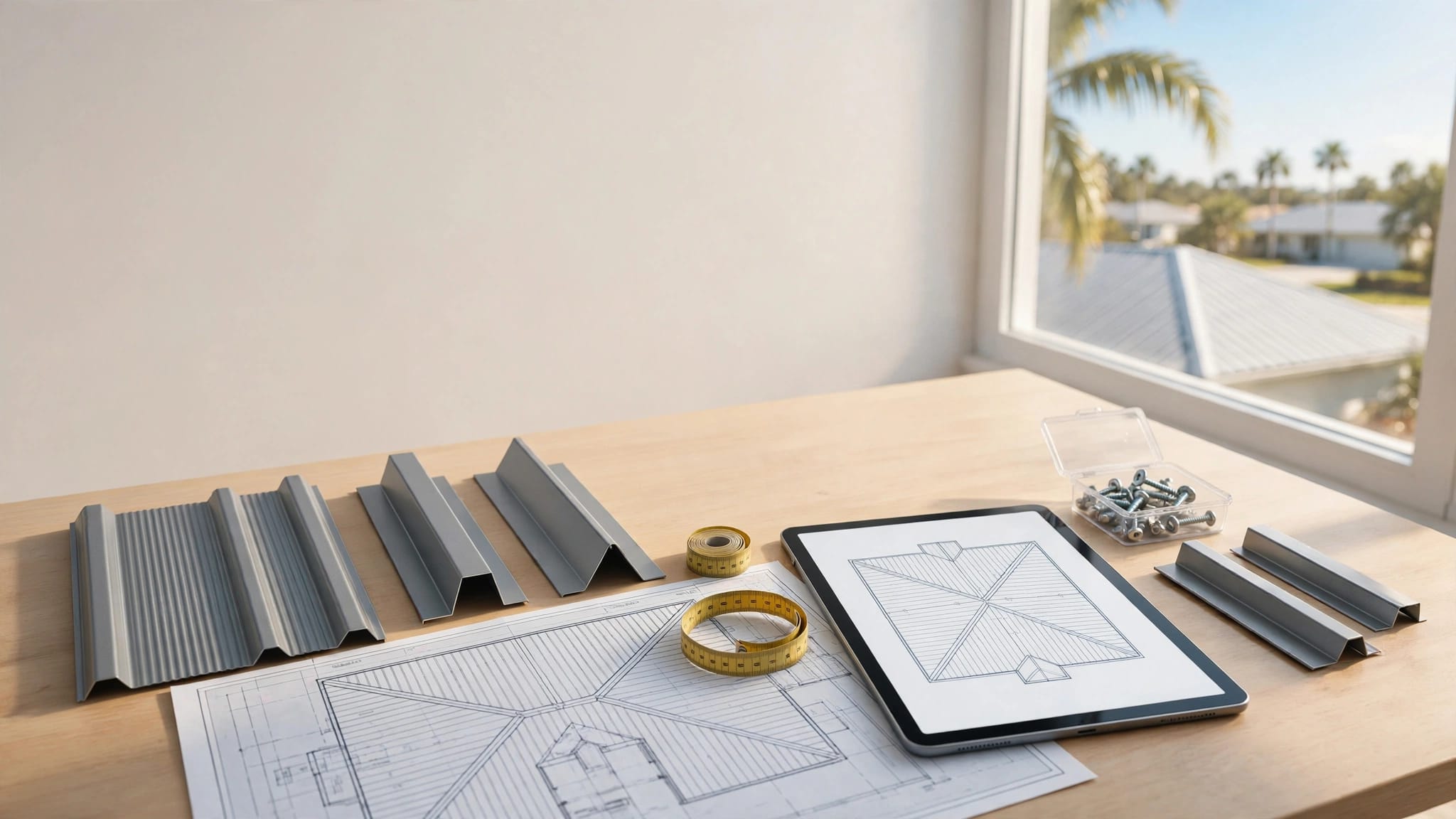
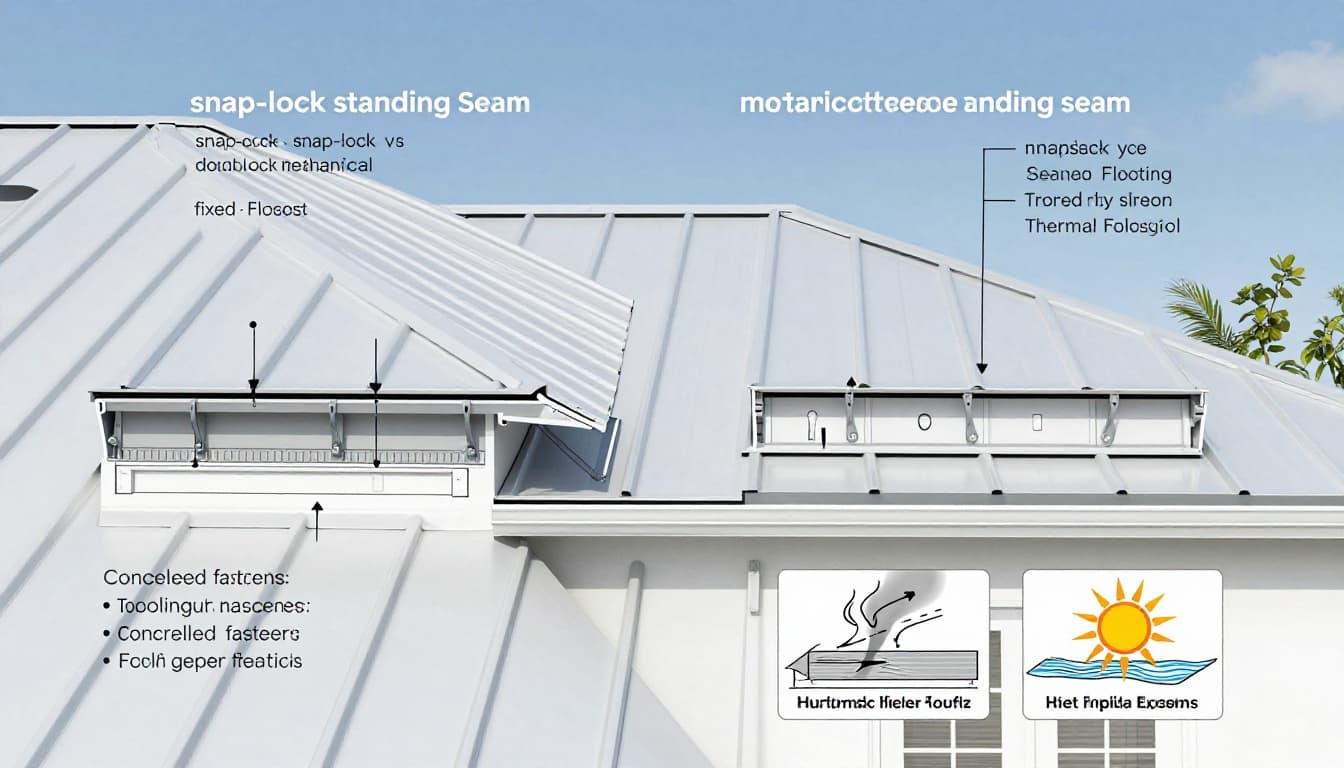 Cross-section view of snap-lock vs mechanical seam components and forces, created with AI.
If your top concern is the tightest seam for storms, mechanically seamed standing seam is often the safer bet, assuming it’s part of a Florida-approved, properly installed system. If your roof has a healthy slope and you’re working with a crew that installs snap-lock every week (and follows the exact approval), snap-lock can perform well and look sharp.
A quick homeowner-friendly comparison:
| Topic | Snap-lock standing seam | Mechanical-seam standing seam |
|---|---|---|
| Heat movement | Works well with correct floating clips and layout | Often more tolerant, seam stays locked as panels move |
| Oil canning expectations | More sensitive to gauge, substrate, and handling | Can still oil can, but thicker specs often chosen |
| Wind-driven rain | Depends heavily on slope and seam engagement | Formed seam can improve water resistance |
| Uplift resistance | Strong when installed per approved assembly | Strong potential, commonly used in high-wind approvals |
| Installer skill factor | High, snap engagement and alignment must be perfect | High, proper seaming and QA are essential |
The bigger risk in Florida isn’t picking the “wrong” seam type. It’s getting a bid that leaves out the proof and the details. Ask these questions and you’ll learn fast who’s serious:
- Which Florida Product Approval or Miami-Dade NOA covers this exact assembly? Get the approval number(s), not a promise.
- What design pressures is the system approved for on my home? Corners, edges, and field zones can differ.
- What seam height, panel gauge, and panel width are you proposing? These choices affect stiffness, uplift performance, and looks.
- Are the clips fixed or floating, and what’s the clip spacing? Ask how spacing changes at edges and corners.
- What underlayment system are you using, and how is it attached? High heat ratings matter under metal.
- How will you detail eaves, rakes, valleys, and penetrations? Edge metal and terminations decide leak risk.
Common installer mistakes to watch for include over-tightening clip fasteners (restricts movement), skipping specified sealant or butyl tape, misaligning clips (causes binding), and using unapproved substitutions. A standing seam roof is a system, not a pile of parts.
Conclusion
A Central Florida standing seam roof should handle heat cycles and rough storms without drama, but it has to be built like a system. Snap-lock can be a great fit on the right slope with tight installation control. Mechanical-seam often brings extra confidence in wind-driven rain and uplift because the seam is formed and locked. When you compare bids, focus on tested approvals , clip design, seam details, and edge work, then choose the option that matches your home’s slope, exposure, and budget.
Share Our Metal Roofing News Articles
Related Posts